

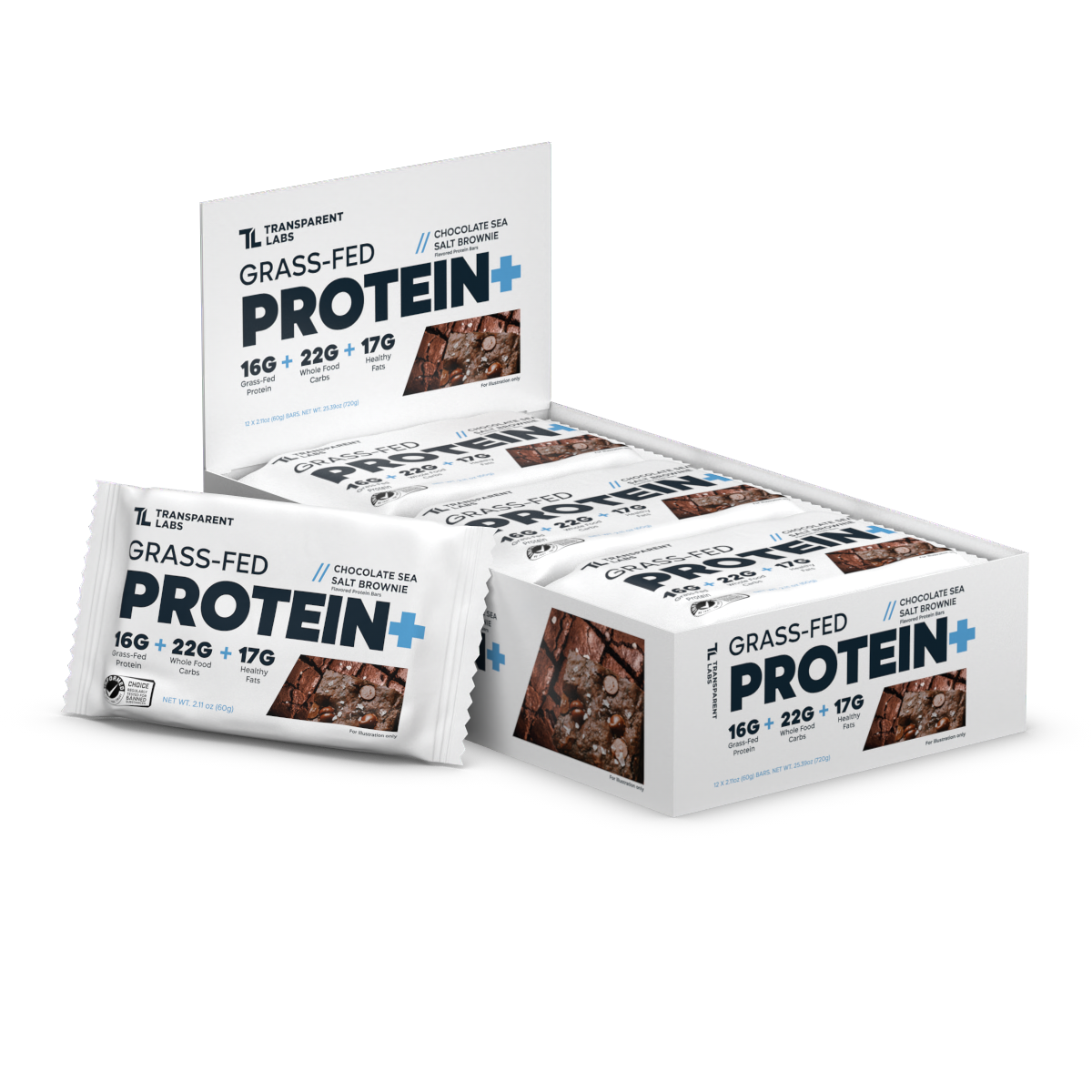
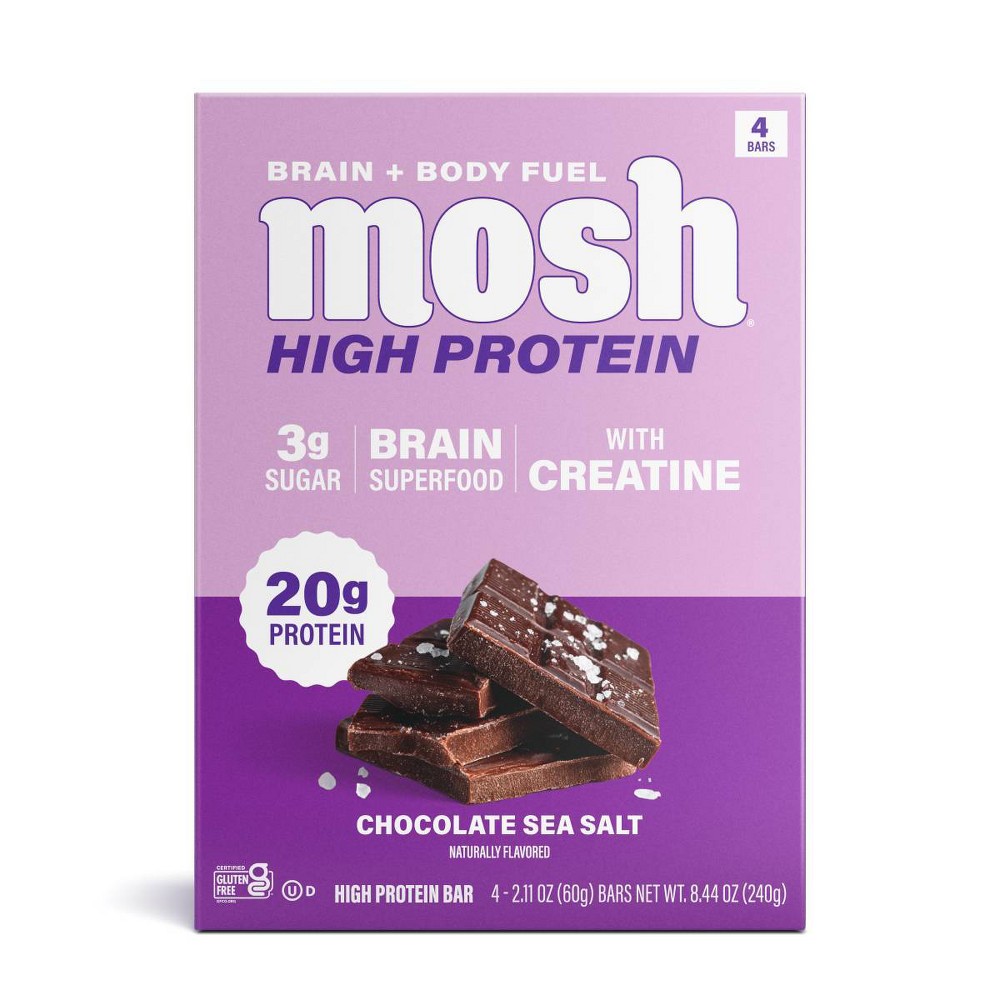


Dark Chocolate Sea Salt Chocolate Protein Bar
Analysis updated July 2026 · How Scout scores
At a glance
Summary
This protein bar contains beneficial ingredients like milk protein isolate, cocoa butter, and chicory root fiber, which contribute to its nutritional profile. However, it is considered ultra-processed due to the presence of palm oil and natural flavors, which are highly processed and can mask the quality of the underlying ingredients. The processing level and the inclusion of these additives limit its overall healthiness despite the good macros.
Key ingredients 13
Milk protein isolateGood
Milk protein isolate is a high-quality protein source with a complete amino acid profile. It is minimally processed compared to other protein supplements. It supports muscle repair and growth effectively.
Risks
Potential allergen for individuals with dairy sensitivities.
Benefits
Provides a rich source of essential amino acids necessary for muscle repair and growth.
Cocoa butterGood
Cocoa butter is a natural fat extracted from cocoa beans, rich in healthy saturated fats. It is minimally processed and retains beneficial antioxidants. It contributes to the creamy texture and flavor of chocolate products.
Benefits
Rich in healthy fats and antioxidants, supporting heart health and providing a smooth texture.
Chicory root fiberGood
Chicory root fiber is a prebiotic fiber that supports gut health. It is derived from the chicory plant and is minimally processed. It can improve digestive health by promoting beneficial gut bacteria.
Risks
May cause bloating or gas in sensitive individuals.
Benefits
Supports digestive health by promoting the growth of beneficial gut bacteria.
Whey protein concentrateGood
Whey protein concentrate is a high-quality protein source with a complete amino acid profile. It is less processed than whey protein isolate, retaining more beneficial compounds. It supports muscle growth and recovery effectively.
Risks
Potential allergen for individuals with dairy sensitivities.
Benefits
Rich in essential amino acids, supporting muscle repair and growth.
Sea saltGood
Sea salt is a minimally processed salt that retains trace minerals. It is harvested from evaporated seawater and is less refined than table salt. It provides essential sodium and enhances flavor naturally.
Benefits
Contains trace minerals and provides essential sodium for bodily functions.
Coconut oilGood
Coconut oil is a natural oil rich in medium-chain triglycerides (MCTs) that can support energy metabolism. It is minimally processed and retains beneficial compounds. It is a stable cooking oil with a pleasant flavor.
Risks
High in saturated fats, which should be consumed in moderation.
Benefits
Rich in MCTs that may support energy metabolism and provide a stable cooking fat.
Monk fruit extractGood
Beneficial ingredient — whole-food or functional value in this product class.
Benefits
Offers sweetness without calories, suitable for low-calorie diets.
Soluble tapioca fiberNeutral
Soluble tapioca fiber is used as a low-calorie sweetener and fiber source. It is derived from tapioca starch and is often used in low-carb products. It can aid in digestive health by increasing fiber intake.
Risks
Excessive consumption may lead to digestive discomfort.
Benefits
May support digestive health by increasing dietary fiber intake.
AlluloseNeutral
Standard formulation ingredient — neither beneficial nor harmful at typical use.
Risks
Excessive consumption may cause gastrointestinal discomfort.
Benefits
Offers sweetness with minimal impact on blood sugar levels, making it suitable for low-calorie diets.
Coconut palm sugarNeutral
Coconut palm sugar is a natural sweetener derived from the sap of coconut palm trees. It is less processed than refined sugar and retains some nutrients. It has a lower glycemic index than regular sugar.
Risks
Still a sugar and should be consumed in moderation to avoid blood sugar spikes.
Benefits
Contains trace nutrients and has a lower glycemic index compared to refined sugar.
Cocoa processed with alkaliNeutral
Cocoa processed with alkali, also known as Dutch-processed cocoa, has a milder flavor and darker color. The alkalization process reduces acidity but may decrease some antioxidant content. It is commonly used in chocolate products for its smooth taste.
Risks
May have reduced antioxidant content compared to natural cocoa.
Benefits
Provides a rich chocolate flavor with a smoother taste profile.
Palm oilBad
Palm oil is a widely used vegetable oil that is high in saturated fats. It is often criticized for its environmental impact due to deforestation. While it provides a stable cooking fat, its health benefits are limited compared to other oils.
Risks
High in saturated fats, which may impact heart health if consumed in excess.
Benefits
Provides a stable fat source for cooking and baking.
Natural flavorsBad
Natural flavors are additives used to enhance taste, but their exact composition is often undisclosed. They are highly processed and can contain numerous chemical compounds. Their use can mask the quality of the underlying ingredients.
Risks
Potential allergen and may contain undisclosed chemical compounds.
Processing
Ultra-Processed Foods
Get the full breakdown in the Scout appTake Scout shopping
Scan any product to see lab results, healthy alternatives, and your personalized analysis.
Download on theApp Store GET IT ONGoogle Play