
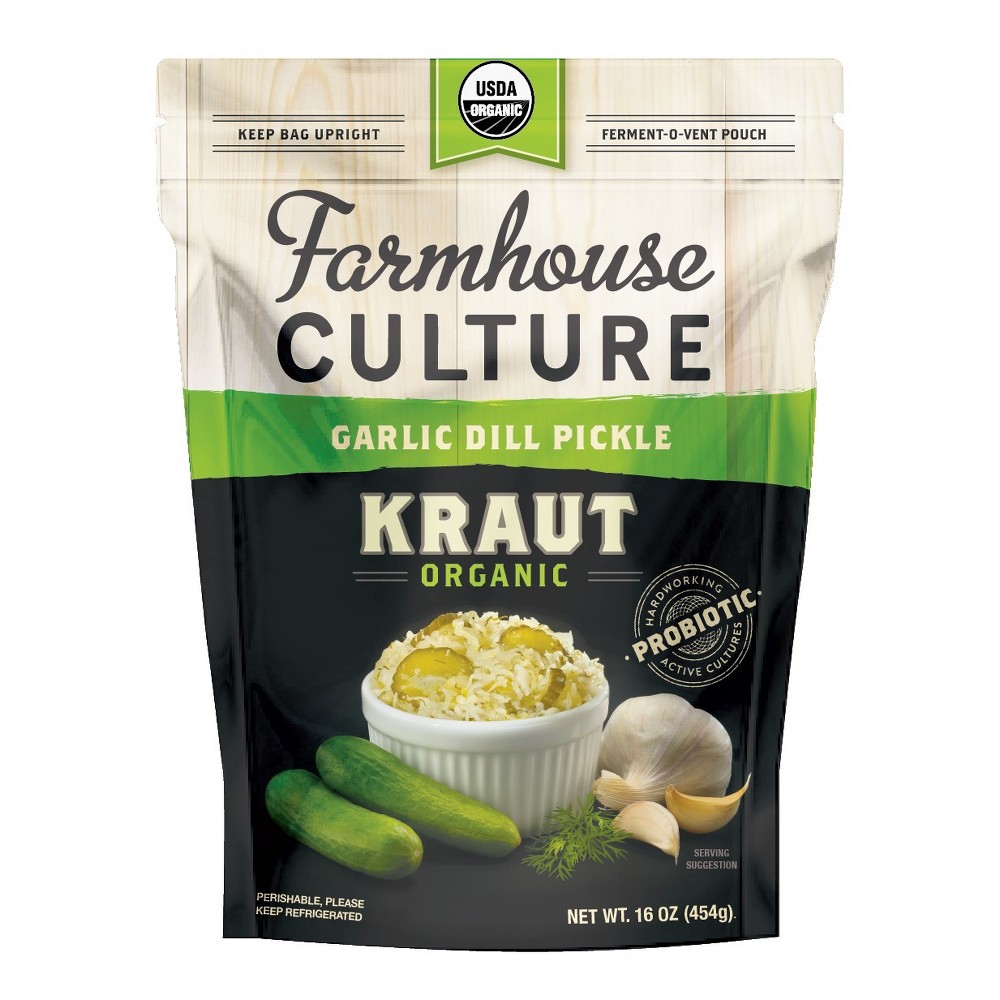




At a glance
Summary
This product features a clean ingredient list with nutrient-dense components like cabbage, pickles, and various spices, all of which contribute to its health benefits. The fermentation process enhances its probiotic content, supporting gut health. Despite being processed, the absence of harmful additives and the use of natural ingredients allow it to achieve a high score within its category.
Key ingredients 12
CabbageVery Good
Cabbage is a nutrient-dense vegetable rich in vitamins C and K. It is a good source of fiber and antioxidants, which support digestive health and reduce inflammation. Fermentation enhances its probiotic content, promoting gut health.
Benefits
Rich in vitamins and antioxidants, and fermentation adds probiotics beneficial for gut health.
PicklesGood
Pickles provide a tangy flavor and are low in calories. They contain probiotics due to fermentation, which can aid in digestion. The cucumbers used are a source of vitamins and minerals.
Risks
High sodium content may be a concern for individuals with hypertension.
Benefits
Contain probiotics that support digestive health and are low in calories.
Sea SaltGood
Sea salt is a natural source of sodium and trace minerals. It is less processed than table salt and retains beneficial minerals. It enhances flavor and is essential for maintaining electrolyte balance.
Risks
Excessive intake can contribute to high blood pressure.
Benefits
Provides essential minerals and enhances flavor.
GarlicGood
Garlic is known for its potent antioxidant and anti-inflammatory properties. It contains allicin, which has been linked to cardiovascular benefits. It also enhances flavor naturally without added calories.
Risks
May cause digestive discomfort in some individuals.
Benefits
Rich in antioxidants and may support heart health.
CorianderGood
Coriander is an herb with antioxidant properties and a distinct flavor. It is used to enhance the taste of foods and may aid in digestion. It contains essential oils that have been linked to health benefits.
Benefits
Provides antioxidants and may aid digestion.
CinnamonGood
Cinnamon is a spice with antioxidant and anti-inflammatory properties. It is known to help regulate blood sugar levels. Its aromatic compounds enhance flavor and provide health benefits.
Risks
Excessive consumption may lead to liver damage due to coumarin content.
Benefits
May help regulate blood sugar and provides antioxidants.
AllspiceGood
Allspice is a spice with a unique flavor profile and antioxidant properties. It is used to enhance the taste of foods and may have anti-inflammatory effects. It contains eugenol, which has been studied for its health benefits.
Benefits
Provides antioxidants and enhances flavor.
DillGood
Dill is an herb known for its aromatic flavor and potential digestive benefits. It contains essential oils that may have antimicrobial properties. It is used to enhance the flavor of foods naturally.
Benefits
May aid digestion and provides antimicrobial properties.
GingerGood
Ginger is a root with potent anti-inflammatory and antioxidant properties. It is known to aid digestion and reduce nausea. Its bioactive compounds, such as gingerol, contribute to its health benefits.
Risks
May cause heartburn or stomach upset in some individuals.
Benefits
Aids digestion and provides anti-inflammatory benefits.
Chili PepperGood
Chili pepper adds heat and flavor to foods and contains capsaicin, which has been linked to metabolism boosting. It is rich in vitamins A and C, contributing to its antioxidant properties. It enhances flavor without added calories.
Risks
May cause digestive discomfort or irritation in sensitive individuals.
Benefits
Boosts metabolism and provides vitamins and antioxidants.
WaterNeutral
Water is a neutral ingredient used as a solvent and carrier in food products. It does not contribute any calories or nutrients. It is essential for maintaining hydration and is a basic component of many foods.
Benefits
Essential for hydration and acts as a solvent in food processing.
Distilled VinegarNeutral
Distilled vinegar is used for its acidic properties and flavor enhancement. It is a common preservative and flavoring agent. The distillation process removes impurities, making it a pure form of acetic acid.
Risks
Excessive consumption may lead to tooth enamel erosion.
Benefits
Acts as a preservative and flavor enhancer in foods.
Processing
Processed Foods
Get the full breakdown in the Scout appTake Scout shopping
Scan any product to see lab results, healthy alternatives, and your personalized analysis.
Download on theApp Store GET IT ONGoogle Play