


At a glance
Summary
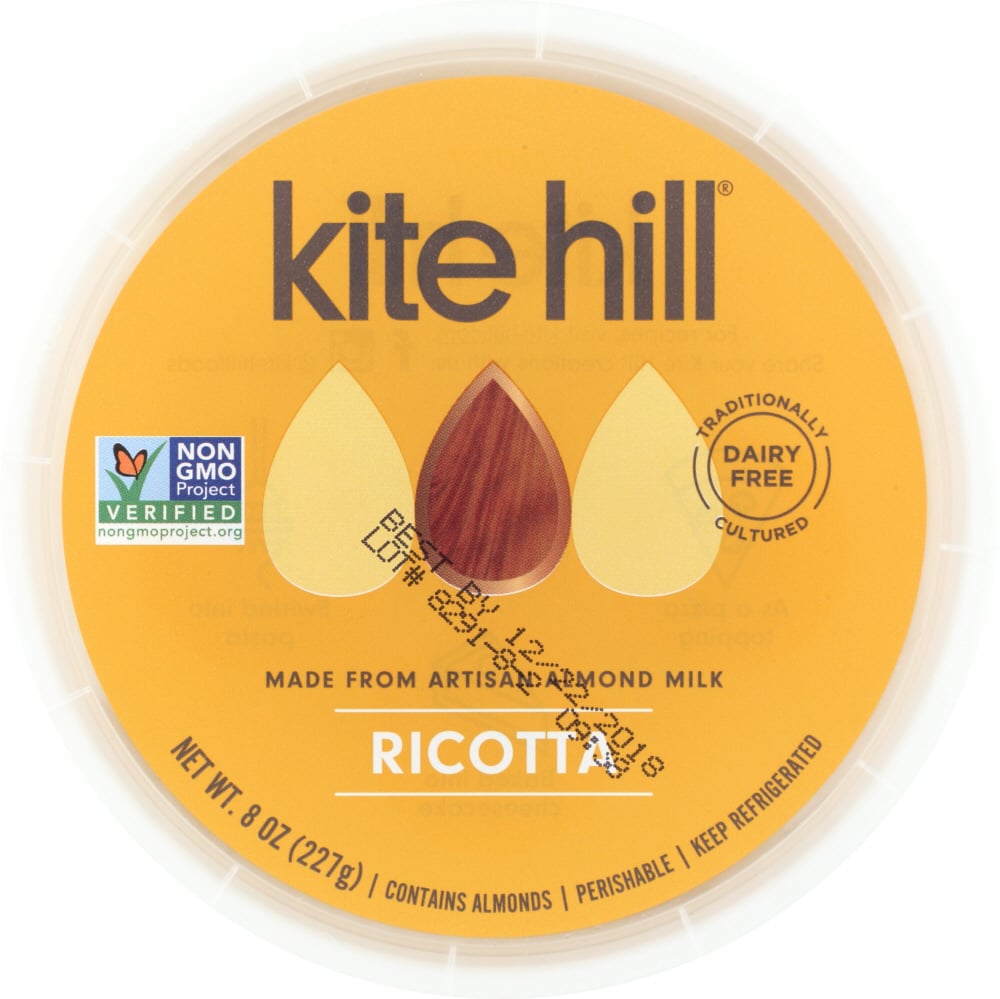
This ricotta product is made from almond milk and contains a short list of clean ingredients, including beneficial cultures that aid in fermentation. The processing level is moderate, but the absence of harmful additives and the use of simple, recognizable components contribute positively to its score. The product's processing level limits its maximum potential score, but its clean label and beneficial ingredients make it a healthier option within its category.
Key ingredients 5
CulturesGood
Cultures are beneficial bacteria used in the fermentation process of cheese. They contribute to the development of flavor and texture in cheese products. Additionally, they can provide probiotic benefits when consumed.
Benefits
Contributes to flavor development and may offer probiotic benefits.
Almond milkNeutral
Almond milk is a plant-based milk alternative made from almonds and water. It is generally low in calories and contains some vitamins and minerals. However, it lacks the protein content found in dairy milk.
Risks
Potential allergen for individuals with nut allergies.
Benefits
Low in calories and can be a suitable alternative for those avoiding dairy.
SaltNeutral
Salt is used as a seasoning and preservative in many foods. It is essential for maintaining fluid balance and nerve function. However, excessive intake can lead to health issues such as hypertension.
Risks
High sodium intake may contribute to increased blood pressure and cardiovascular disease.
Benefits
Essential for maintaining electrolyte balance and proper muscle function.
EnzymeNeutral
Enzymes are used in food processing to aid in the breakdown of proteins and other compounds. They are crucial in cheese production for curdling milk. Typically, they do not pose health risks when used in food processing.
Benefits
Facilitates the cheese-making process by aiding in milk coagulation.
Tartaric acidNeutral
Tartaric acid is a naturally occurring organic acid used as an acidulant in food products. It helps stabilize the pH and can enhance flavor. It is generally recognized as safe when used in food.
Risks
Excessive consumption may lead to gastrointestinal discomfort.
Benefits
Enhances flavor and stabilizes pH in food products.
Processing
Processed Foods
Get the full breakdown in the Scout appTake Scout shopping
Scan any product to see lab results, healthy alternatives, and your personalized analysis.
Download on theApp Store GET IT ONGoogle Play