
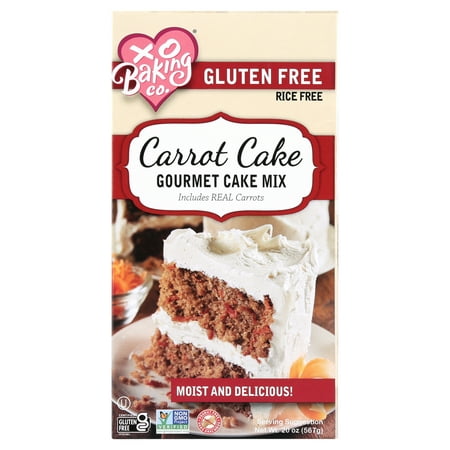


XO Baking Co. Verified Non-GMO & Gluten Free Carrot Cake Mix 20 oz Box
Analysis updated August 2026 · How Scout scores
At a glance
Summary
This carrot cake mix contains beneficial ingredients like cassava flour, dehydrated carrots, and organic coconut flour, which are minimally processed and provide some nutritional value. However, the high sugar content from brown sugar and cane sugar significantly impacts its healthiness, as these refined sugars are linked to metabolic disorders. The product is processed, which limits its score potential despite the presence of some quality ingredients.
Key ingredients 9
Dehydrated carrotsGood
Dehydrated carrots are a concentrated source of vitamins and minerals, particularly beta-carotene. They add natural sweetness and nutritional value to the product. The dehydration process preserves most nutrients while extending shelf life.
Benefits
Rich in beta-carotene, which is converted to vitamin A in the body, supporting vision and immune health.
Organic coconut flourGood
Organic coconut flour is a high-fiber, gluten-free flour made from dried coconut meat. It is minimally processed and retains beneficial nutrients. It is a good source of healthy fats and fiber, supporting digestive health.
Benefits
Rich in fiber and healthy fats, supporting digestive health and providing a low-carb alternative to traditional flours.
Sea saltGood
Sea salt is a minimally processed salt that contains trace minerals. It is used to enhance flavor and provide essential sodium. Unlike refined table salt, it retains some natural minerals.
Risks
Excessive intake can contribute to high blood pressure, but moderate use is generally safe.
Benefits
Provides essential sodium and trace minerals, supporting electrolyte balance and flavor enhancement.
Cassava flourNeutral
Standard formulation ingredient — neither beneficial nor harmful at typical use.
Benefits
Provides a gluten-free alternative that is rich in carbohydrates and some fiber, supporting digestive health.
Potato starchNeutral
Potato starch is a refined starch used as a thickener and stabilizer. It is gluten-free and provides a smooth texture to baked goods. However, it lacks significant nutritional value.
Benefits
Provides a gluten-free thickening agent that improves texture in gluten-free baking.
Baking powderNeutral
Baking powder is a leavening agent that helps baked goods rise. It is a common ingredient in baking and is generally considered safe. It contains sodium bicarbonate and an acid, which react to produce carbon dioxide gas.
Risks
Excessive consumption can lead to high sodium intake, but typical usage in baking poses no significant risks.
Xanthan gumNeutral
Xanthan gum is a polysaccharide used as a thickening and stabilizing agent in food products. It is derived from the fermentation of sugars by Xanthomonas campestris bacteria. It is generally recognized as safe and is used in small quantities.
Risks
May cause digestive discomfort in sensitive individuals when consumed in large amounts.
Benefits
Improves texture and stability in gluten-free baking, providing a desirable consistency.
Brown sugarBad
Brown sugar is a refined sugar with added molasses, providing minimal nutritional value. It contributes to high sugar content, which can lead to health issues like obesity and diabetes. Despite its slightly higher mineral content than white sugar, it is still considered a refined sugar.
Risks
Excessive consumption can lead to weight gain, insulin resistance, and increased risk of chronic diseases.
Benefits
Provides a richer flavor and slight mineral content compared to white sugar, but overall benefits are minimal.
Cane sugarBad
Cane sugar is a refined sugar that contributes to the product's high sugar content. It is associated with increased risk of obesity, diabetes, and other metabolic disorders. While it is a natural sweetener, it lacks significant nutritional benefits.
Risks
High intake can lead to metabolic issues, dental cavities, and increased risk of chronic diseases.
Processing
Processed Foods
Get the full breakdown in the Scout appTake Scout shopping
Scan any product to see lab results, healthy alternatives, and your personalized analysis.
Download on theApp Store GET IT ONGoogle Play