


At a glance
Summary
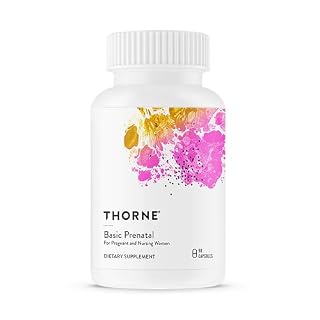
This prenatal multivitamin contains a comprehensive range of essential vitamins and minerals, including high-quality forms of Vitamin A, C, D, and E, which are crucial for fetal development and maternal health. The formulation is clean with minimal additives and no harmful ingredients, ensuring a high level of safety and efficacy for pregnant women. The product's focus on bioavailable nutrients and lack of artificial sweeteners or dyes contributes to its strong rating.
Key ingredients 29
Vitamin AVery Good
Vitamin A is essential for vision, immune function, and skin health. It is a high-quality active ingredient in prenatal supplements, supporting fetal development. Its inclusion in the product indicates a focus on comprehensive nutritional support.
Risks
Excessive intake of Vitamin A can lead to toxicity, particularly in pregnant women.
Benefits
Supports vision, immune function, and fetal development.
Vitamin CVery Good
Vitamin C is a powerful antioxidant that supports the immune system and enhances iron absorption. It is crucial for collagen synthesis and overall skin health. Its presence in prenatal vitamins helps protect both mother and child from oxidative stress.
Risks
High doses can cause gastrointestinal disturbances.
Benefits
Boosts immune function and enhances iron absorption.
Vitamin DVery Good
Vitamin D is vital for bone health and calcium absorption. It plays a critical role in immune function and mood regulation. Its inclusion is essential for preventing deficiencies, especially in pregnant women.
Risks
Excessive intake can lead to hypercalcemia.
Benefits
Supports bone health and immune function.
Vitamin EVery Good
Vitamin E acts as an antioxidant, protecting cells from damage. It supports immune function and skin health. Its presence in prenatal vitamins helps ensure adequate antioxidant protection during pregnancy.
Risks
High doses may interfere with blood clotting.
Benefits
Protects cells from oxidative damage and supports immune health.
ThiaminVery Good
Thiamin (Vitamin B1) is essential for energy metabolism and nerve function. It helps convert carbohydrates into energy, supporting overall vitality. Its inclusion is important for maintaining energy levels during pregnancy.
Benefits
Supports energy metabolism and nerve function.
Vitamin B6Very Good
Vitamin B6 is essential for protein metabolism and cognitive development. It supports neurotransmitter synthesis and immune function. Its presence in prenatal vitamins aids in fetal brain development.
Risks
Excessive intake can lead to nerve damage.
Benefits
Supports protein metabolism and cognitive development.
FolateVery Good
Folate is crucial for DNA synthesis and cell division. It is vital for preventing neural tube defects in developing fetuses. Its inclusion in prenatal vitamins is essential for fetal development.
Benefits
Prevents neural tube defects and supports DNA synthesis.
Pantothenic AcidVery Good
Pantothenic acid is essential for synthesizing coenzyme A, crucial for fatty acid metabolism. It supports energy production and hormone synthesis. Its presence in prenatal vitamins aids in overall metabolic health.
Benefits
Supports energy production and hormone synthesis.
CholineVery Good
Choline is vital for brain development and liver function. It supports cell membrane integrity and neurotransmitter synthesis. Its inclusion in prenatal vitamins is crucial for fetal brain development.
Risks
Excessive intake can lead to fishy body odor and liver damage.
Benefits
Supports brain development and liver function.
CalciumVery Good
Calcium is essential for bone health and muscle function. It supports fetal skeletal development and maternal bone density. Its presence in prenatal vitamins is crucial for preventing deficiencies.
Risks
Excessive intake can lead to kidney stones.
Benefits
Supports bone health and muscle function.
SeleniumVery Good
Selenium is a powerful antioxidant that supports thyroid function. It helps protect cells from oxidative damage. Its inclusion in prenatal vitamins supports overall health and immune function.
Risks
High doses can cause selenosis, leading to hair loss and nail brittleness.
Benefits
Supports thyroid function and protects cells from oxidative damage.
CopperVery Good
Copper is essential for iron metabolism and the formation of red blood cells. It supports immune function and collagen synthesis. Its presence in prenatal vitamins aids in overall metabolic health.
Risks
Excessive intake can lead to liver damage.
Benefits
Supports iron metabolism and immune function.
ManganeseVery Good
Manganese is important for bone formation and energy metabolism. It supports antioxidant defense and collagen production. Its inclusion in prenatal vitamins aids in overall metabolic health.
Risks
High doses can lead to neurological issues.
Benefits
Supports bone formation and energy metabolism.
ChromiumVery Good
Chromium is essential for macronutrient metabolism and blood sugar regulation. It enhances insulin action and supports energy production. Its presence in prenatal vitamins aids in maintaining healthy blood sugar levels.
Benefits
Supports macronutrient metabolism and blood sugar regulation.
MolybdenumVery Good
Molybdenum is crucial for enzyme function and detoxification processes. It supports the metabolism of sulfur-containing amino acids. Its inclusion in prenatal vitamins aids in overall metabolic health.
Benefits
Supports enzyme function and detoxification processes.
PotassiumVery Good
Potassium is essential for maintaining fluid balance and nerve function. It supports muscle contractions and heart health. Its presence in prenatal vitamins aids in overall cardiovascular health.
Risks
Excessive intake can lead to hyperkalemia, affecting heart function.
Benefits
Supports fluid balance and nerve function.
D-alpha-tocopherolVery Good
D-alpha-tocopherol is a form of Vitamin E that acts as an antioxidant. It protects cells from oxidative damage and supports immune function. Its inclusion in prenatal vitamins aids in overall antioxidant protection.
Risks
High doses may interfere with blood clotting.
Benefits
Protects cells from oxidative damage and supports immune health.
D-beta-tocopherolVery Good
D-beta-tocopherol is a form of Vitamin E that contributes to antioxidant defense. It supports skin health and immune function. Its presence in prenatal vitamins aids in overall antioxidant protection.
Benefits
Contributes to antioxidant defense and supports skin health.
D-gamma-tocopherolVery Good
D-gamma-tocopherol is a form of Vitamin E that provides antioxidant benefits. It supports cardiovascular health and immune function. Its inclusion in prenatal vitamins aids in overall antioxidant protection.
Benefits
Provides antioxidant benefits and supports cardiovascular health.
D-delta-tocopherolVery Good
D-delta-tocopherol is a form of Vitamin E that enhances antioxidant defense. It supports skin health and immune function. Its presence in prenatal vitamins aids in overall antioxidant protection.
Benefits
Enhances antioxidant defense and supports skin health.
LuteinVery Good
Lutein is a carotenoid that supports eye health and reduces the risk of age-related macular degeneration. It acts as an antioxidant, protecting the eyes from oxidative stress. Its inclusion in prenatal vitamins supports overall eye health.
Benefits
Supports eye health and reduces the risk of macular degeneration.
ZeaxanthinVery Good
Zeaxanthin is a carotenoid that supports eye health and protects against blue light damage. It acts as an antioxidant, enhancing visual performance. Its presence in prenatal vitamins supports overall eye health.
Benefits
Supports eye health and protects against blue light damage.
Vitamin K2Very Good
Vitamin K2 is essential for bone health and cardiovascular function. It supports calcium metabolism and prevents arterial calcification. Its inclusion in prenatal vitamins aids in overall bone and heart health.
Benefits
Supports bone health and cardiovascular function.
RiboflavinGood
Riboflavin (Vitamin B2) is crucial for energy production and cellular function. It aids in the metabolism of fats, drugs, and steroids. Its presence in prenatal vitamins supports overall energy and metabolic health.
Benefits
Supports energy production and cellular function.
NiacinGood
Niacin (Vitamin B3) is important for DNA repair and energy metabolism. It helps maintain healthy skin and nerves. Its inclusion in prenatal vitamins supports overall metabolic health.
Risks
High doses can cause flushing and liver damage.
Benefits
Supports DNA repair and energy metabolism.
Vitamin B12Good
Vitamin B12 is essential for red blood cell formation and neurological function. It supports DNA synthesis and energy production. Its presence in prenatal vitamins is crucial for preventing anemia and supporting fetal development.
Benefits
Supports red blood cell formation and neurological function.
BiotinGood
Biotin supports carbohydrate, fat, and protein metabolism. It is important for maintaining healthy hair, skin, and nails. Its inclusion in prenatal vitamins supports overall metabolic health.
Benefits
Supports metabolism and maintains healthy hair, skin, and nails.
MagnesiumGood
Magnesium is important for muscle and nerve function, as well as bone health. It supports energy production and protein synthesis. Its inclusion in prenatal vitamins aids in overall metabolic health.
Risks
High doses can cause diarrhea and abdominal cramping.
Benefits
Supports muscle and nerve function and bone health.
ZincGood
Zinc is crucial for immune function and DNA synthesis. It supports wound healing and cell division. Its presence in prenatal vitamins is essential for fetal growth and immune support.
Risks
Excessive intake can interfere with copper absorption.
Benefits
Supports immune function and DNA synthesis.
Processing
Ultra-Processed Foods
Get the full breakdown in the Scout appTake Scout shopping
Scan any product to see lab results, healthy alternatives, and your personalized analysis.
Download on theApp Store GET IT ONGoogle Play