



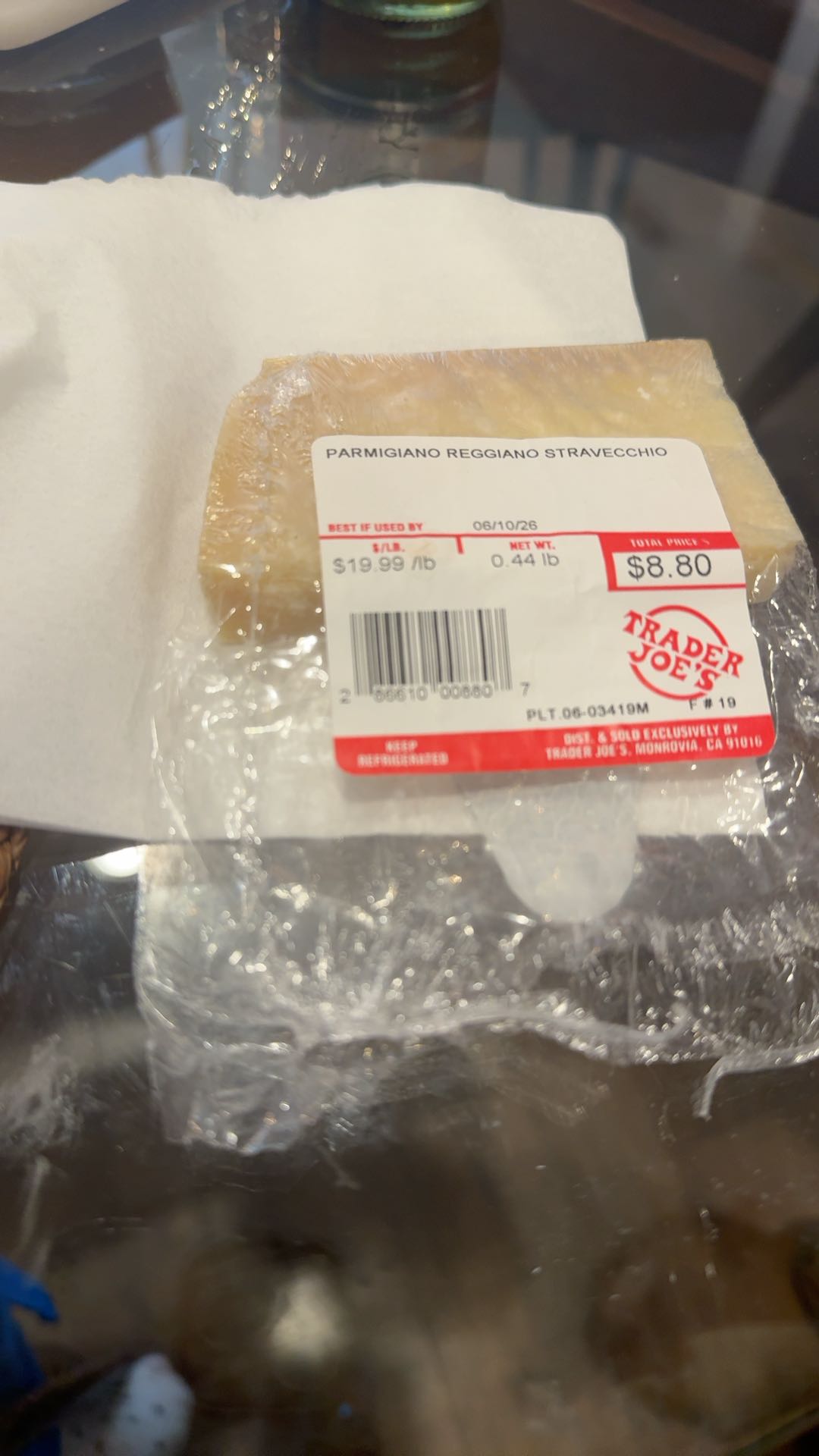
At a glance
Summary
This cheese product contains emulsifying salts and preservatives, which contribute to its processed nature. While it uses pasteurized cow's milk, a beneficial ingredient, the presence of additives like potassium sorbate and multiple emulsifiers results in a higher level of processing. These factors limit its score compared to more traditional cheeses with simpler ingredient lists.
Key ingredients 7
Pasteurized cow's milkGood
A primary source of protein and calcium, essential for bone health. Pasteurization ensures safety by eliminating harmful bacteria. It provides a rich source of nutrients compared to plant-based alternatives.
Benefits
Rich in protein and calcium, supporting bone health and muscle function. Contains essential vitamins and minerals beneficial for overall health.
Cheese cultureGood
Beneficial ingredient — whole-food or functional value in this product class.
Benefits
Contributes to flavor development and may provide probiotic benefits.
SaltNeutral
Used as a preservative and flavor enhancer in cheese. It is a common ingredient in processed foods. While necessary for flavor, excessive consumption can lead to health issues.
Risks
High sodium intake can contribute to hypertension and cardiovascular diseases.
Benefits
Enhances flavor and acts as a preservative, extending shelf life.
Stabilizer (Calcium chloride)Neutral
Used to improve the firmness and texture of cheese. It is a common additive in cheese production. Generally recognized as safe when used in small amounts.
Risks
Excessive consumption may lead to an imbalance in calcium levels.
Benefits
Enhances the texture and firmness of cheese, improving its quality.
Cheese rennetNeutral
An enzyme used to coagulate milk, essential in cheese making. It is a traditional ingredient in cheese production. Provides no significant health risks or benefits beyond its functional role.
Benefits
Essential for the cheese-making process, helping to form curds.
Emulsifying saltsBad
Includes trisodium phosphate, trisodium citrate, and sodium polyphosphate, which are used to improve texture and stability. These additives are common in processed cheese products. They can contribute to an ultra-processed food profile.
Risks
May cause digestive issues and contribute to an unhealthy diet if consumed in large amounts.
Benefits
Improves texture and melting properties of cheese, making it more versatile in cooking.
Preservative (Potassium sorbate)Bad
Used to prevent mold and yeast growth in cheese. It is a common preservative in processed foods. Overuse can lead to an ultra-processed food profile.
Risks
May cause allergic reactions or sensitivities in some individuals.
Benefits
Extends shelf life by preventing spoilage from mold and yeast.
Processing
Processed Foods
Get the full breakdown in the Scout appTake Scout shopping
Scan any product to see lab results, healthy alternatives, and your personalized analysis.
Download on theApp Store GET IT ONGoogle Play