
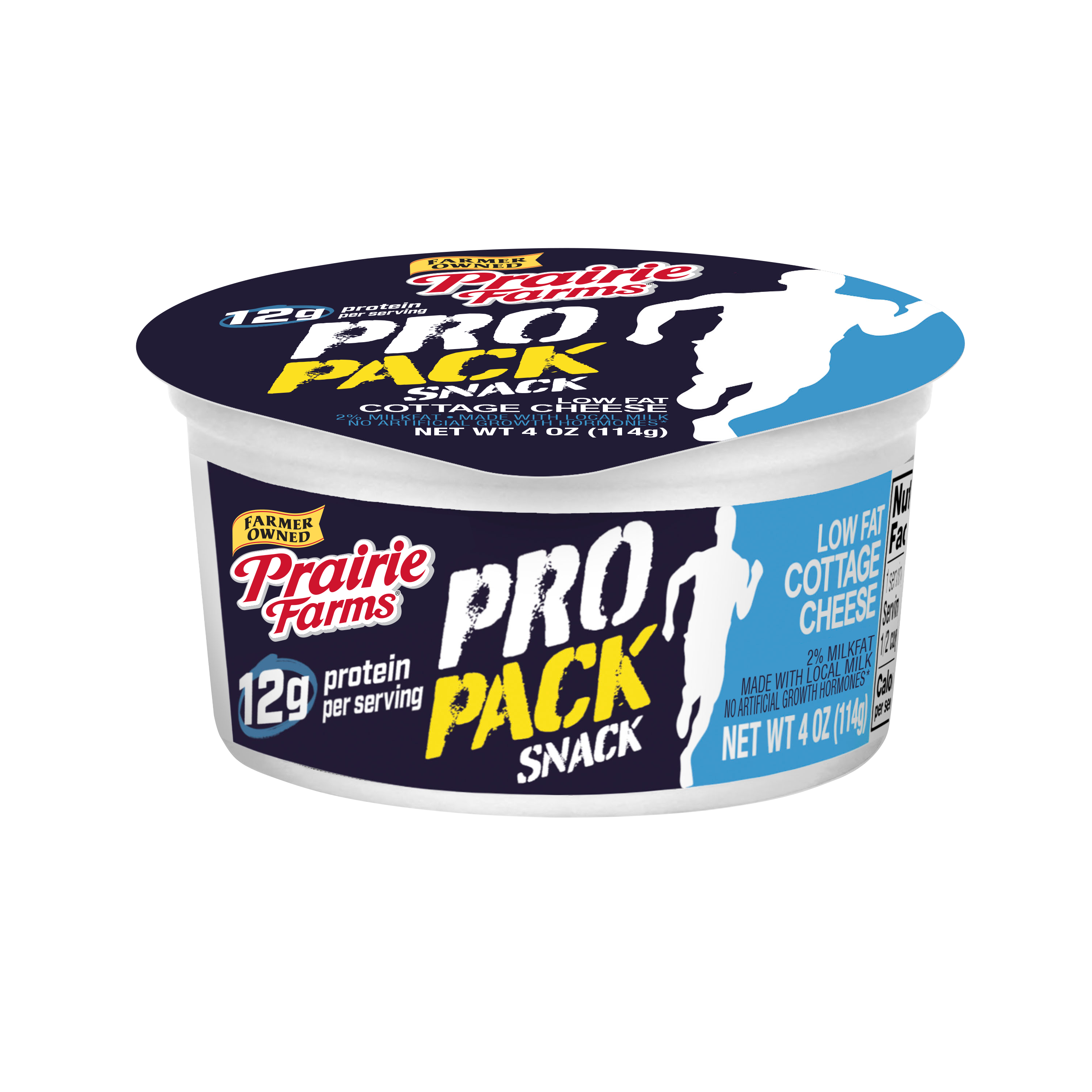


LOW FAT COTTAGE CHEESE SNACK CUPS
Analysis updated September 2026 · How Scout scores
At a glance
Summary
This cottage cheese snack is ultra-processed, containing multiple additives such as guar gum, mono and diglycerides, and potassium sorbate, which are used to enhance texture and preserve freshness. While it provides beneficial nutrients from skim milk and cheese cultures, the presence of these synthetic additives and the level of processing limit its healthiness compared to more traditional cheese products.
Key ingredients 14
CreamGood
Traditional whole-fat dairy ingredient.
Risks
High in saturated fats, which may contribute to heart disease if consumed in excess.
Benefits
Enhances flavor and texture, providing a creamy consistency to dairy products.
Cheese culturesGood
Cheese cultures are beneficial bacteria used in the fermentation process of cheese making. They contribute to the development of flavor and texture in cheese. They are a natural and essential component of traditional cheese production.
Benefits
Enhances flavor and texture, contributing to the development of beneficial probiotics in cheese.
Skim milkNeutral
Standard formulation ingredient — neither beneficial nor harmful at typical use.
Benefits
Provides calcium and protein essential for bone health and muscle maintenance. Low in fat, making it suitable for low-calorie diets.
Nonfat dry milkNeutral
Nonfat dry milk is a dehydrated form of skim milk that retains most nutrients except fat. It is used to increase protein content and improve texture in dairy products. It is a convenient source of dairy nutrients without the fat.
Benefits
Provides protein and calcium without added fat, contributing to the nutritional profile of the product.
LactoseNeutral
Lactose is a natural sugar found in milk that provides sweetness and energy. It is a simple carbohydrate that can be problematic for lactose-intolerant individuals. It is a natural component of dairy products.
Risks
May cause digestive issues for lactose-intolerant individuals.
Benefits
Provides a natural source of energy and sweetness in dairy products.
SaltNeutral
Salt is used to enhance flavor and preserve food. It is a common additive in processed foods but should be consumed in moderation due to potential health risks. It is essential for flavor balance in many foods.
Risks
Excessive consumption may lead to high blood pressure and cardiovascular issues.
Benefits
Enhances flavor and acts as a preservative in food products.
Guar gumNeutral
Standard formulation ingredient — neither beneficial nor harmful at typical use.
Risks
May cause digestive discomfort such as bloating and gas when consumed in large amounts.
Benefits
Improves texture and stability in food products, allowing for a consistent product experience.
Xanthan gumNeutral
Xanthan gum is a polysaccharide used as a thickening and stabilizing agent in foods. It is produced through fermentation and is generally considered safe in small amounts. It helps improve the texture and shelf-life of products.
Risks
Excessive consumption may lead to digestive issues such as bloating and gas.
Benefits
Enhances texture and stability, contributing to a smooth and consistent product.
Carob bean gumNeutral
Carob bean gum is a natural thickener derived from the seeds of the carob tree. It is used to improve texture and stability in food products. It is a natural alternative to synthetic thickeners.
Benefits
Provides a natural source of thickening, improving the texture and consistency of food products.
Carbon dioxideNeutral
Carbon dioxide is used in food packaging to maintain freshness by creating an inert atmosphere. It is a natural gas and is generally recognized as safe. It helps preserve the quality of packaged foods.
Benefits
Helps maintain freshness and extend shelf life by preventing oxidation.
EnzymesNeutral
Enzymes are proteins that catalyze biochemical reactions, essential in cheese making for curdling milk. They are naturally occurring and play a crucial role in developing cheese texture. They are a necessary component of traditional cheese production.
Benefits
Facilitates the cheese-making process by aiding in milk coagulation and flavor development.
Vitamin A palmitateNeutral
Vitamin A palmitate is a synthetic form of vitamin A used to fortify foods. It is added to improve nutritional content but is a synthetic additive. It helps ensure adequate intake of vitamin A, essential for vision and immune function.
Risks
Excessive intake may lead to hypervitaminosis A, a condition caused by vitamin A toxicity.
Benefits
Enhances nutritional value by providing vitamin A, supporting vision and immune health.
Mono and diglyceridesBad
Mono and diglycerides are emulsifiers used to blend ingredients that typically do not mix well, such as oil and water. They are synthetic additives derived from fats and are heavily processed. Their consumption is associated with potential health concerns related to trans fats.
Risks
May contain trans fats, which are linked to increased risk of heart disease.
Benefits
Help maintain product consistency by preventing separation of ingredients.
Potassium sorbateBad
Potassium sorbate is a synthetic preservative used to extend shelf life by inhibiting mold and yeast growth. It is widely used in processed foods but is a synthetic additive. Long-term consumption of preservatives may have health implications.
Risks
May cause allergic reactions or sensitivities in some individuals.
Benefits
Prevents spoilage and extends shelf life by inhibiting microbial growth.
Processing
Ultra-Processed Foods
Get the full breakdown in the Scout appTake Scout shopping
Scan any product to see lab results, healthy alternatives, and your personalized analysis.
Download on theApp Store GET IT ONGoogle Play