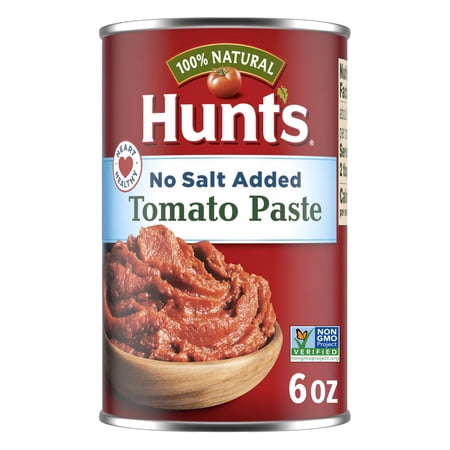
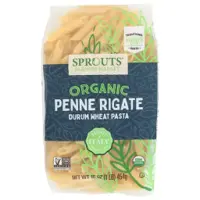
Tomato Paste
Sprouts
At a glance
Summary
This tomato paste is primarily composed of tomato pulp and organic tomatoes, which are minimally processed and rich in nutrients like lycopene. The use of organic tomatoes enhances its nutritional profile by avoiding synthetic pesticides. Although it contains citric acid, the overall ingredient list is clean and free from harmful additives, making it a healthy choice within its category despite being a processed food.
Key ingredients 5
Organic tomatoesVery Good
Organic tomatoes are grown without synthetic pesticides or fertilizers, offering a cleaner and potentially more nutrient-rich option. They are minimally processed, retaining their natural vitamins and antioxidants. The organic certification ensures adherence to specific agricultural standards.
Benefits
High in vitamins C and K, and a good source of potassium and folate. The organic nature may provide higher antioxidant levels compared to conventionally grown tomatoes.
Tomato pulpGood
Tomato pulp is a concentrated source of tomatoes, providing essential nutrients and antioxidants. It is minimally processed, retaining most of the natural vitamins and minerals. The pulp is rich in lycopene, which is linked to various health benefits.
Benefits
Rich in lycopene, which may reduce the risk of certain chronic diseases. Provides vitamins A and C, supporting immune function and skin health.
TomatoesGood
Tomatoes are a nutrient-dense food, providing essential vitamins and antioxidants. They are minimally processed, retaining their natural health benefits. The presence of lycopene and other phytonutrients supports overall health.
Benefits
Rich in lycopene, which may support heart health and reduce cancer risk. Provides vitamins A and C, contributing to immune and skin health.
Citric acidNeutral
Citric acid is a natural preservative and flavor enhancer commonly used in food products. It is derived from citrus fruits or produced through fermentation. While it helps maintain product freshness, it does not contribute significant nutritional value.
Risks
Excessive consumption may cause tooth enamel erosion, but typical food use poses no significant risks.
Benefits
Helps preserve the product and enhance flavor without adding calories or sugar.
Naturally derived citric acidNeutral
Naturally derived citric acid is used as a preservative and flavor enhancer, similar to its synthetic counterpart. It is obtained from natural sources, such as citrus fruits, ensuring a more natural additive. It does not significantly alter the nutritional profile of the product.
Risks
May cause mild irritation in sensitive individuals, but generally safe in food applications.
Benefits
Acts as a natural preservative, extending shelf life and enhancing flavor without artificial additives.
Processing
Processed Foods
Get the full breakdown in the Scout appTake Scout shopping
Scan any product to see lab results, healthy alternatives, and your personalized analysis.
Are you Sprouts? Fix an error Get the badge Get tested