
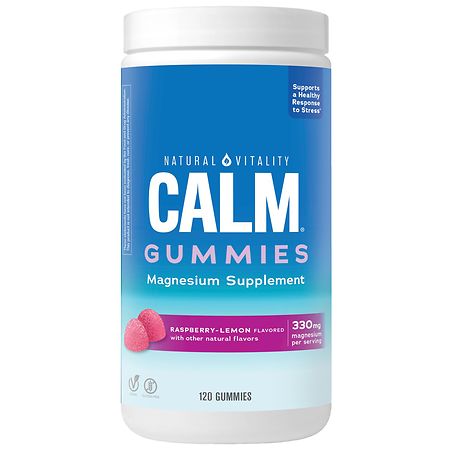

Natural Vitality Calm Magnesium Supplement Gummies Raspberry Lemon 120 Count
Analysis updated September 2026 · How Scout scores
At a glance
Summary
This magnesium supplement contains organic cane sugar and organic tapioca syrup, which contribute to a high sugar content and can raise blood sugar levels. The inclusion of natural flavors, while derived from natural sources, lacks transparency and may detract from the product's natural appeal. Despite these concerns, the product does not contain artificial sweeteners or dyes, which helps maintain a moderate score.
Key ingredients 10
InulinGood
Beneficial ingredient — whole-food or functional value in this product class.
Risks
Excessive consumption may cause digestive discomfort such as bloating or gas.
Benefits
Supports digestive health by acting as a prebiotic fiber.
WaterNeutral
Water is a neutral ingredient used as a solvent and to provide moisture. It does not contribute any nutritional value or health risks. Its presence is standard in many food and supplement products.
See more about Water →GlycerinNeutral
Glycerin is a sugar alcohol used as a sweetener and humectant. It is generally considered safe and does not significantly impact blood sugar levels. Its role in supplements is primarily to maintain moisture and improve texture.
Benefits
Helps maintain moisture and improve the texture of the product.
AgarNeutral
Agar is a gelatinous substance derived from seaweed, used as a thickening agent. It is a vegetarian alternative to gelatin and is generally considered safe. Its use in supplements is primarily for texture and stability.
Benefits
Provides a vegetarian alternative to gelatin for texture and stability.
Locust Bean GumNeutral
Locust bean gum is a natural thickener derived from carob seeds. It is used to stabilize and thicken products and is generally recognized as safe. Its presence in supplements is mainly for consistency and texture.
Benefits
Helps stabilize and thicken products, improving texture.
Organic Black Carrot (Color)Neutral
Organic black carrot is used as a natural coloring agent and is considered safe. It provides color without the use of synthetic dyes. Its role in supplements is purely aesthetic.
Benefits
Provides natural color without synthetic dyes.
Citric AcidNeutral
Citric acid is a natural preservative and flavor enhancer found in citrus fruits. It is commonly used to add acidity and preserve freshness in food products. Its presence in supplements is standard and generally safe.
Risks
Excessive consumption may cause tooth enamel erosion.
Benefits
Acts as a preservative and enhances flavor.
Organic Cane SugarBad
Organic cane sugar is a refined sugar that can contribute to increased blood sugar levels and potential weight gain. Despite being organic, it still poses similar health risks as regular sugar. Its presence in supplements is generally unnecessary and can detract from the product's health benefits.
Risks
High sugar intake is linked to obesity, type 2 diabetes, and heart disease.
Organic Tapioca SyrupBad
Organic tapioca syrup is a sweetener that can contribute to high glycemic load, similar to other sugars. Although organic, it still raises blood sugar levels and offers little nutritional value. Its use in supplements is often to improve taste rather than provide health benefits.
Risks
May contribute to insulin resistance and weight gain if consumed in excess.
Natural FlavorsBad
Natural flavors are a catch-all term for flavoring agents derived from natural sources but can be highly processed. They often lack transparency, making it difficult to assess their health impact. Their inclusion in supplements is often unnecessary and can detract from the product's perceived naturalness.
Risks
Potential for undisclosed allergens or additives that may cause adverse reactions.
Processing
Ultra-Processed Foods
Get the full breakdown in the Scout appTake Scout shopping
Scan any product to see lab results, healthy alternatives, and your personalized analysis.
Download on theApp Store GET IT ONGoogle Play