

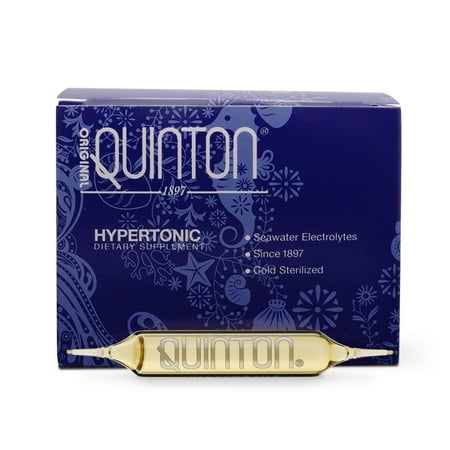
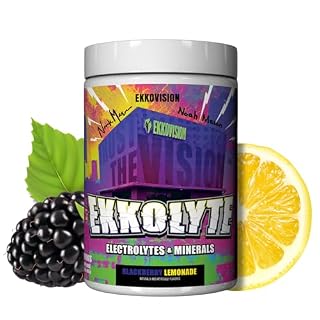


At a glance
Summary
This beverage contains a clean list of ingredients with water, electrolytes, and citric acid, which are generally considered safe and beneficial for hydration. The presence of 'natural flavours' is a minor concern due to the lack of transparency in their composition, but the absence of artificial sweeteners, dyes, and seed oils is a positive aspect. The processing level limits the score, but the overall ingredient quality is commendable.
Key ingredients 8
Potassium CitrateGood
Part of Electrolytes. Electrolytes help replenish minerals lost during physical activity, supporting hydration and muscle function.
See more about Potassium Citrate →Magnesium CarbonateGood
Part of Electrolytes. Electrolytes help replenish minerals lost during physical activity, supporting hydration and muscle function.
See more about Magnesium Carbonate →Sea SaltGood
Part of Electrolytes. Electrolytes help replenish minerals lost during physical activity, supporting hydration and muscle function.
See more about Sea Salt →WaterNeutral
Water is essential for hydration and makes up the majority of the drink, providing a neutral base without added risks or benefits.
See more about Water →Natural FlavoursNeutral
Natural flavours enhance the taste of the beverage without introducing harmful substances, maintaining a neutral profile.
See more about Natural Flavours →Sodium CitrateNeutral
Standard formulation ingredient — neither beneficial nor harmful at typical use.
See more about Sodium Citrate →Calcium CarbonateNeutral
Part of Electrolytes. Electrolytes help replenish minerals lost during physical activity, supporting hydration and muscle function.
See more about Calcium Carbonate →Citric AcidNeutral
Common acidulant and preservative — safe at typical use levels, neither beneficial nor harmful.
See more about Citric Acid →Processing
Processed Foods
Get the full breakdown in the Scout appTake Scout shopping
Scan any product to see lab results, healthy alternatives, and your personalized analysis.
Download on theApp Store GET IT ONGoogle Play