



At a glance
Summary
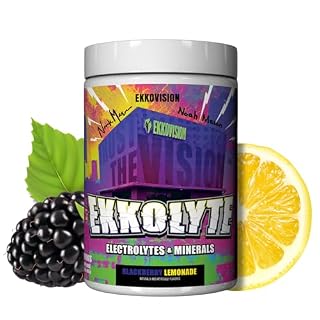
This electrolyte supplement contains beneficial ingredients like coconut water powder and bioavailable forms of magnesium and calcium, which support hydration and mineral balance. However, the presence of sucralose, an artificial sweetener, and the use of natural flavoring without transparency slightly detract from its overall formulation quality. Despite these concerns, the product maintains a relatively clean label with a focus on effective electrolyte delivery.
Key ingredients 20
Coconut Water PowderGood
Coconut water powder is a natural source of electrolytes, particularly potassium, which supports hydration and muscle function. It is minimally processed, retaining most of its natural nutrients. Compared to artificial electrolyte sources, it offers a cleaner, more natural alternative.
Benefits
Rich in electrolytes, it aids in hydration and replenishing lost minerals during physical activity.
TaurineGood
Taurine is an amino acid that supports cardiovascular health and muscle function. It is often included in supplements for its potential to enhance exercise performance. Unlike synthetic additives, taurine is naturally occurring in the body and food sources.
Risks
Excessive intake may lead to potential side effects such as gastrointestinal discomfort.
Benefits
Supports cardiovascular health and may improve exercise performance.
AquaminGood
Aquamin is a natural source of calcium and magnesium derived from marine algae. It is known for its high bioavailability and minimal processing. Compared to synthetic mineral sources, it provides a more natural and absorbable form of essential minerals.
Benefits
Provides bioavailable calcium and magnesium, supporting bone health and muscle function.
Potassium CitrateGood
Potassium citrate is used to prevent kidney stones and support electrolyte balance. It is a well-absorbed form of potassium, essential for nerve and muscle function. Compared to other potassium forms, citrate is less likely to cause gastrointestinal discomfort.
Risks
Excessive intake can lead to hyperkalemia, a condition with elevated potassium levels in the blood.
Benefits
Helps maintain electrolyte balance and supports cardiovascular health.
Magnesium CitrateGood
Magnesium citrate is a highly absorbable form of magnesium, crucial for muscle and nerve function. It is often used to prevent magnesium deficiency and support overall health. Compared to other forms, citrate is gentle on the digestive system.
Risks
High doses may cause diarrhea or gastrointestinal upset.
Benefits
Supports muscle and nerve function and helps prevent magnesium deficiency.
Magnesium BisglycinateGood
Magnesium bisglycinate is a chelated form of magnesium known for its high bioavailability and gentle effect on the stomach. It is beneficial for muscle relaxation and reducing cramps. Compared to other forms, it is less likely to cause digestive issues.
Benefits
Promotes muscle relaxation and supports overall magnesium levels in the body.
Irish Sea Moss ExtractGood
Irish sea moss extract is rich in iodine and other trace minerals, supporting thyroid function and overall health. It is a natural, minimally processed ingredient. Compared to synthetic iodine sources, it offers a broader spectrum of nutrients.
Risks
Excessive consumption may lead to iodine overload, affecting thyroid function.
Benefits
Supports thyroid health and provides a range of trace minerals.
Vitamin C (L-Ascorbic Acid)Good
Vitamin C is a powerful antioxidant that supports immune function and skin health. It is essential for collagen synthesis and overall health. Compared to other vitamins, it is water-soluble and generally safe at recommended doses.
Risks
High doses may cause gastrointestinal discomfort or kidney stones.
Benefits
Boosts immune function and supports skin health through collagen production.
Calcium BisglycinateGood
Calcium bisglycinate is a chelated form of calcium known for its high absorption rate. It supports bone health and is less likely to cause digestive discomfort compared to other calcium forms. Its bioavailability makes it a preferred choice for calcium supplementation.
Benefits
Supports bone health and is highly absorbable.
NiacinGood
Niacin, or vitamin B3, is essential for energy metabolism and skin health. It is water-soluble and generally safe at recommended doses. Compared to other B vitamins, it plays a unique role in cholesterol management.
Risks
High doses may cause flushing or liver damage.
Benefits
Supports energy metabolism and may help manage cholesterol levels.
Pantothenic AcidGood
Pantothenic acid, or vitamin B5, is crucial for synthesizing coenzyme A, important for energy production. It is water-soluble and generally safe. Compared to other vitamins, it is involved in a wide range of metabolic functions.
Benefits
Supports energy production and overall metabolic health.
Vitamin B6Good
Vitamin B6 is essential for protein metabolism and cognitive development. It is water-soluble and generally safe at recommended doses. Compared to other B vitamins, it plays a critical role in neurotransmitter synthesis.
Risks
High doses may cause nerve damage.
Benefits
Supports protein metabolism and cognitive health.
Vitamin B1Good
Vitamin B1, or thiamine, is essential for energy metabolism and nerve function. It is water-soluble and generally safe. Compared to other B vitamins, it is crucial for carbohydrate metabolism.
Benefits
Supports energy metabolism and nerve function.
Vitamin B12Good
Vitamin B12 is essential for red blood cell formation and neurological function. It is water-soluble and generally safe at recommended doses. Compared to other B vitamins, it is crucial for DNA synthesis and nerve health.
Benefits
Supports red blood cell formation and neurological health.
Pink Himalayan Crystal SaltNeutral
Pink Himalayan crystal salt is a mineral-rich salt that contains trace elements. It is less processed than regular table salt. However, its health benefits over regular salt are minimal.
Risks
Excessive consumption can lead to high blood pressure and related health issues.
Benefits
Contains trace minerals that may offer slight nutritional benefits over regular salt.
Natural FlavouringNeutral
Natural flavouring is used to enhance the taste of products. It is derived from natural sources but can be highly processed. The lack of transparency in its composition makes it difficult to assess its health impact.
Risks
Potential allergenicity and lack of transparency in ingredient sourcing.
Benefits
Enhances product flavor without adding calories.
Sodium CitrateNeutral
Sodium citrate is used as an acidity regulator and to enhance flavor. It is generally recognized as safe but offers no significant nutritional benefits. Compared to other additives, it is relatively benign.
Risks
Excessive intake may contribute to sodium overload.
Benefits
Helps maintain product stability and flavor.
Free-Flowing Agents (Silicon Dioxide)Neutral
Silicon dioxide is used to prevent clumping in powdered products. It is generally recognized as safe but offers no nutritional benefits. Compared to other anti-caking agents, it is inert and non-reactive.
Benefits
Prevents clumping and maintains product consistency.
Colour (Beetroot Red)Neutral
Beetroot red is a natural colorant derived from beets. It is minimally processed and considered safe for consumption. Compared to artificial dyes, it is a healthier alternative.
Benefits
Provides natural color without the risks associated with artificial dyes.
Sweetener (Sucralose)Bad
Sucralose is an artificial sweetener used to provide sweetness without calories. It is highly processed and may affect gut health. Compared to natural sweeteners, it lacks nutritional benefits and may have long-term health implications.
Risks
May alter gut microbiota and has potential long-term health effects.
Benefits
Provides sweetness without adding calories, which can be beneficial for weight management.
Processing
Ultra-Processed Foods
Get the full breakdown in the Scout appTake Scout shopping
Scan any product to see lab results, healthy alternatives, and your personalized analysis.
Download on theApp Store GET IT ONGoogle Play