


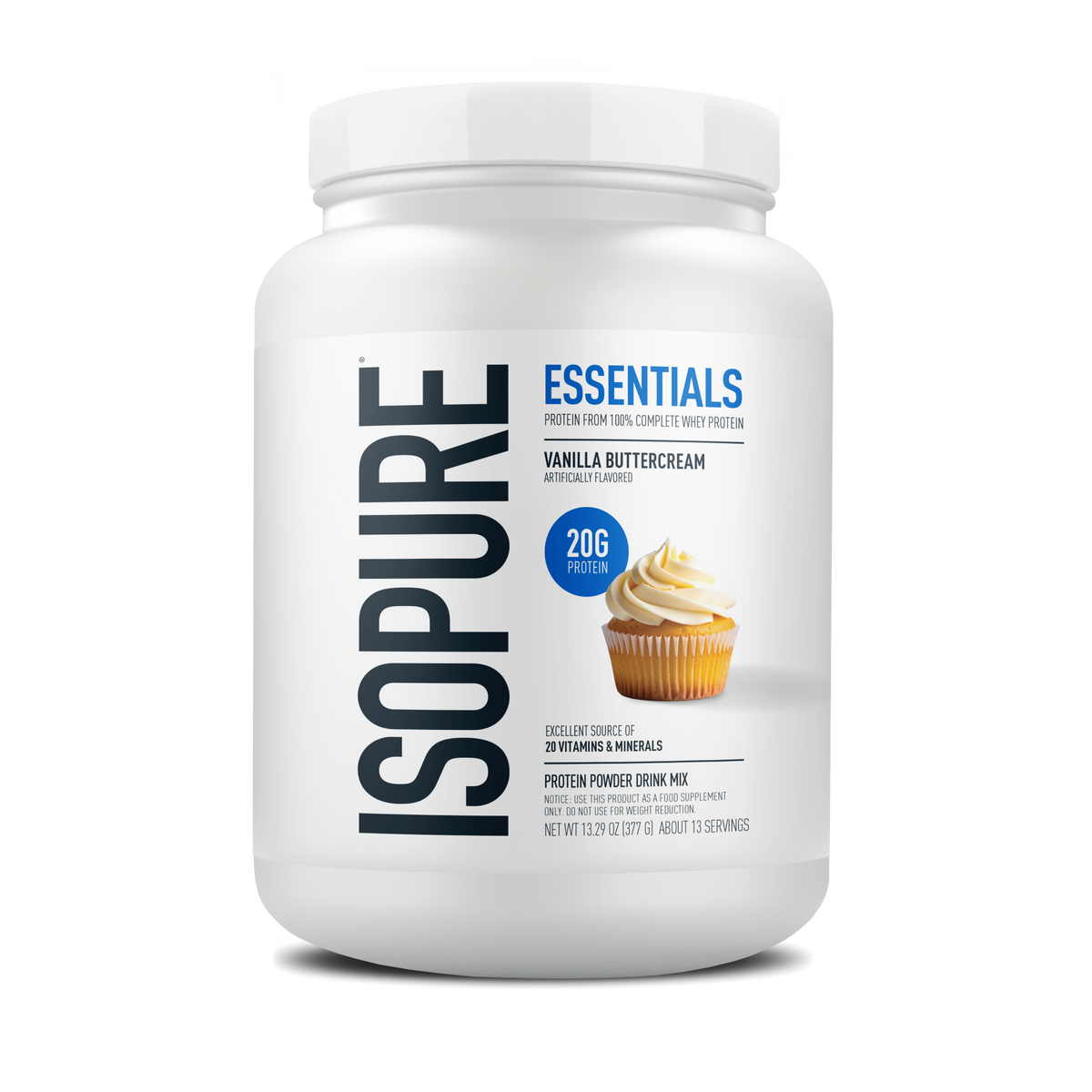


At a glance
Summary
This protein powder contains a blend of high-quality proteins such as whey protein isolate, micellar casein, and milk protein isolate, which are beneficial for muscle growth and maintenance. However, the presence of artificial sweetener sucralose and several additives like cellulose gum and sunflower lecithin slightly detracts from its overall health profile. The use of natural flavors, which lack transparency, also contributes to a moderate processing level, impacting the score.
Key ingredients 12
Whey Protein IsolateGood
Whey protein isolate is a high-quality protein source with a complete amino acid profile, beneficial for muscle growth and repair. It is highly bioavailable and rapidly absorbed by the body. Compared to other protein sources, it is low in lactose and fat, making it suitable for those with lactose intolerance.
Benefits
Provides essential amino acids that support muscle recovery and growth.
Micellar CaseinGood
Micellar casein is a slow-digesting protein that provides a sustained release of amino acids, supporting muscle maintenance and growth. It is minimally processed, retaining its natural structure. This makes it ideal for prolonged periods without food, such as overnight.
Benefits
Supports muscle maintenance and provides a prolonged release of amino acids.
Milk Protein IsolateGood
Milk protein isolate contains both whey and casein proteins, offering a balanced amino acid profile. It is processed to remove most of the lactose and fat, making it suitable for those with lactose sensitivity. This combination supports both immediate and sustained protein needs.
Benefits
Offers a balanced amino acid profile and supports both immediate and sustained protein needs.
PeanutsNeutral
Peanuts are a source of protein and healthy fats, but they can be allergenic for some individuals. They are minimally processed in this product. While nutritious, they do not significantly enhance the protein content of the powder.
Risks
Potential allergen for individuals with peanut allergies.
Benefits
Provides healthy fats and additional protein content.
Sea SaltNeutral
Sea salt is used to enhance flavor and contains trace minerals. It is minimally processed compared to table salt. However, its contribution to overall sodium intake should be monitored.
Risks
Excessive sodium intake can lead to hypertension and cardiovascular issues.
Benefits
Provides trace minerals and enhances flavor.
Xanthan GumNeutral
Xanthan gum is a common food additive used as a thickener and stabilizer. It is produced through fermentation and is generally considered safe. It does not contribute to the nutritional value of the product.
Risks
May cause digestive issues in large amounts.
Benefits
Enhances texture and stability of the product.
Silicon DioxideNeutral
Silicon dioxide is used as an anti-caking agent to prevent clumping. It is a naturally occurring compound and is generally recognized as safe. It does not affect the nutritional profile of the product.
Benefits
Prevents clumping and maintains product consistency.
Steviol GlycosidesNeutral
Steviol glycosides are natural sweeteners derived from the stevia plant. They provide sweetness without calories and are considered safe. They do not contribute to the nutritional value of the product.
Benefits
Provides sweetness without adding calories.
Natural FlavorsBad
Natural flavors are often used to enhance taste but can be a catch-all for various additives. They lack transparency, making it difficult to assess their health impact. The processing and source of these flavors are not disclosed, which can be concerning for some consumers.
Risks
Lack of transparency can lead to potential allergen exposure or unwanted additives.
Benefits
Enhances the flavor profile of the product.
Sunflower LecithinBad
Sunflower lecithin is used as an emulsifier to improve texture and mixability. It is a processed ingredient derived from sunflower seeds. While not as harmful as seed oils, it is still a refined additive.
Risks
May cause digestive issues in sensitive individuals.
Benefits
Improves texture and mixability of the product.
Cellulose GumBad
Cellulose gum is a thickening agent used to improve texture and stability. It is a synthetic additive derived from plant fibers. While generally recognized as safe, it offers no nutritional benefits.
Risks
May cause digestive discomfort in some individuals.
Benefits
Improves texture and stability of the product.
SucraloseBad
Sucralose is an artificial sweetener used to provide sweetness without calories. It is highly processed and may affect gut health. Some studies suggest it may alter glucose and insulin levels.
Risks
Potential impact on gut microbiota and glucose metabolism.
Benefits
Provides sweetness without adding calories.
Processing
Ultra-Processed Foods
Get the full breakdown in the Scout appTake Scout shopping
Scan any product to see lab results, healthy alternatives, and your personalized analysis.
Download on theApp Store GET IT ONGoogle Play