
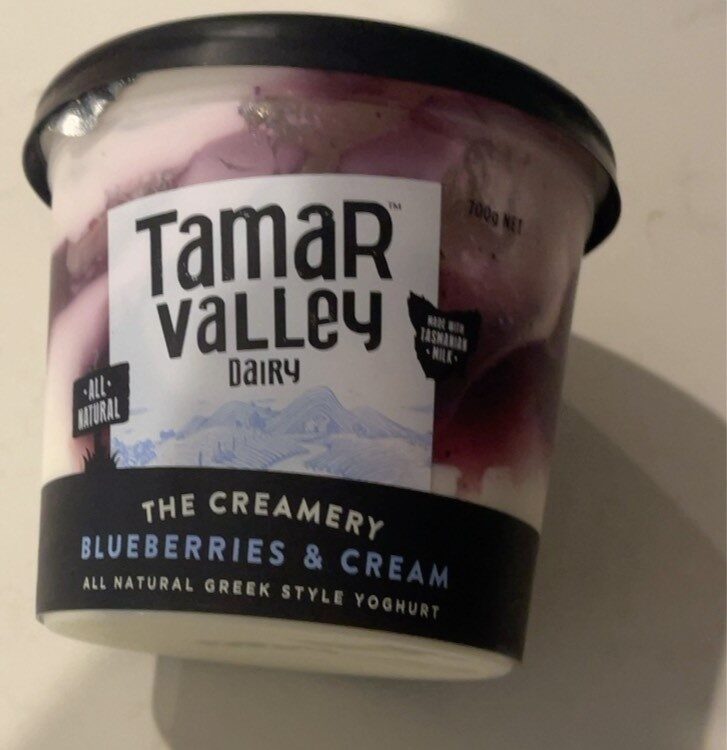


The Creamery Blueberries & Cream Greek Style Yoghurt
Analysis updated August 2026 · How Scout scores
At a glance
Summary
This yogurt contains beneficial ingredients like milk, blueberries, cream, and live cultures, which contribute to its nutritional value and support gut health. However, the presence of added sugar and natural flavors, which can be highly processed and lack transparency, detracts from its overall healthiness. The product is moderately processed, which limits its score despite the inclusion of some high-quality ingredients.
Key ingredients 10
Live CulturesVery Good
Live cultures are beneficial probiotics that support gut health and improve digestion. They enhance the nutritional profile of yogurt by promoting a healthy microbiome. The presence of live cultures is a key indicator of high-quality yogurt.
Benefits
Supports gut health and digestion through beneficial probiotics.
MilkGood
Milk is a primary source of calcium and protein, essential for bone health and muscle maintenance. It is minimally processed and provides a range of vitamins and minerals. The quality of milk can vary based on the source, with organic and grass-fed options being more beneficial.
Risks
Some individuals may be lactose intolerant or allergic to milk proteins.
Benefits
Rich in calcium and protein, supporting bone health and muscle function.
BlueberryGood
Blueberries are rich in antioxidants, particularly anthocyanins, which support heart health and reduce inflammation. They are a natural source of vitamins C and K. The inclusion of whole blueberries adds fiber and phytonutrients.
Benefits
High in antioxidants and vitamins, supporting overall health and reducing inflammation.
CreamGood
Cream adds richness and flavor, providing healthy fats that can support satiety. It is a source of fat-soluble vitamins like A and D. The quality of cream can vary, with organic and grass-fed options being more beneficial.
Risks
High in saturated fat, which should be consumed in moderation.
Benefits
Provides healthy fats and fat-soluble vitamins, enhancing flavor and satiety.
Milk SolidsNeutral
Milk solids are concentrated milk components, providing protein and calcium. They are used to enhance the texture and nutritional profile of dairy products. The processing of milk solids can vary, but they generally retain the nutritional benefits of milk.
Risks
May pose issues for those with lactose intolerance or milk allergies.
Benefits
Provides protein and calcium, contributing to the nutritional value of the product.
Blueberry JuiceNeutral
Blueberry juice provides some of the antioxidants found in whole blueberries but lacks fiber. It is often used for flavor and color enhancement. The nutritional benefits are less than whole blueberries due to the absence of fiber.
Risks
May contribute to sugar content without providing fiber.
Benefits
Contains antioxidants that can support health, though less than whole blueberries.
Rice StarchNeutral
Rice starch is used as a thickening agent, providing texture without significant nutritional value. It is a gluten-free alternative to wheat-based thickeners. The processing of rice starch is minimal, retaining its neutral impact on health.
Benefits
Provides texture without gluten, suitable for those with gluten sensitivities.
Thickener (Pectin)Neutral
Pectin is a natural thickener derived from fruits, used to improve texture. It is a soluble fiber that can aid digestion. The use of pectin is generally considered safe and beneficial for gut health.
Benefits
Provides soluble fiber that can support digestive health.
SugarBad
Refined sugar is associated with increased risk of obesity, diabetes, and heart disease when consumed in excess. It provides empty calories without nutritional benefits. Excessive sugar intake can lead to metabolic issues and dental problems.
Risks
High consumption can lead to obesity, insulin resistance, and dental cavities.
Natural FlavoursBad
Natural flavors are often used to enhance taste but can be highly processed and lack transparency. They may contain a variety of compounds not disclosed on labels. The term 'natural' does not guarantee health benefits or minimal processing.
Risks
Lack of transparency and potential for containing undisclosed additives.
Processing
Processed Foods
Get the full breakdown in the Scout appTake Scout shopping
Scan any product to see lab results, healthy alternatives, and your personalized analysis.
Download on theApp Store GET IT ONGoogle Play