

Mens Multivitamin
Analysis updated August 2026 · How Scout scores
At a glance
Summary
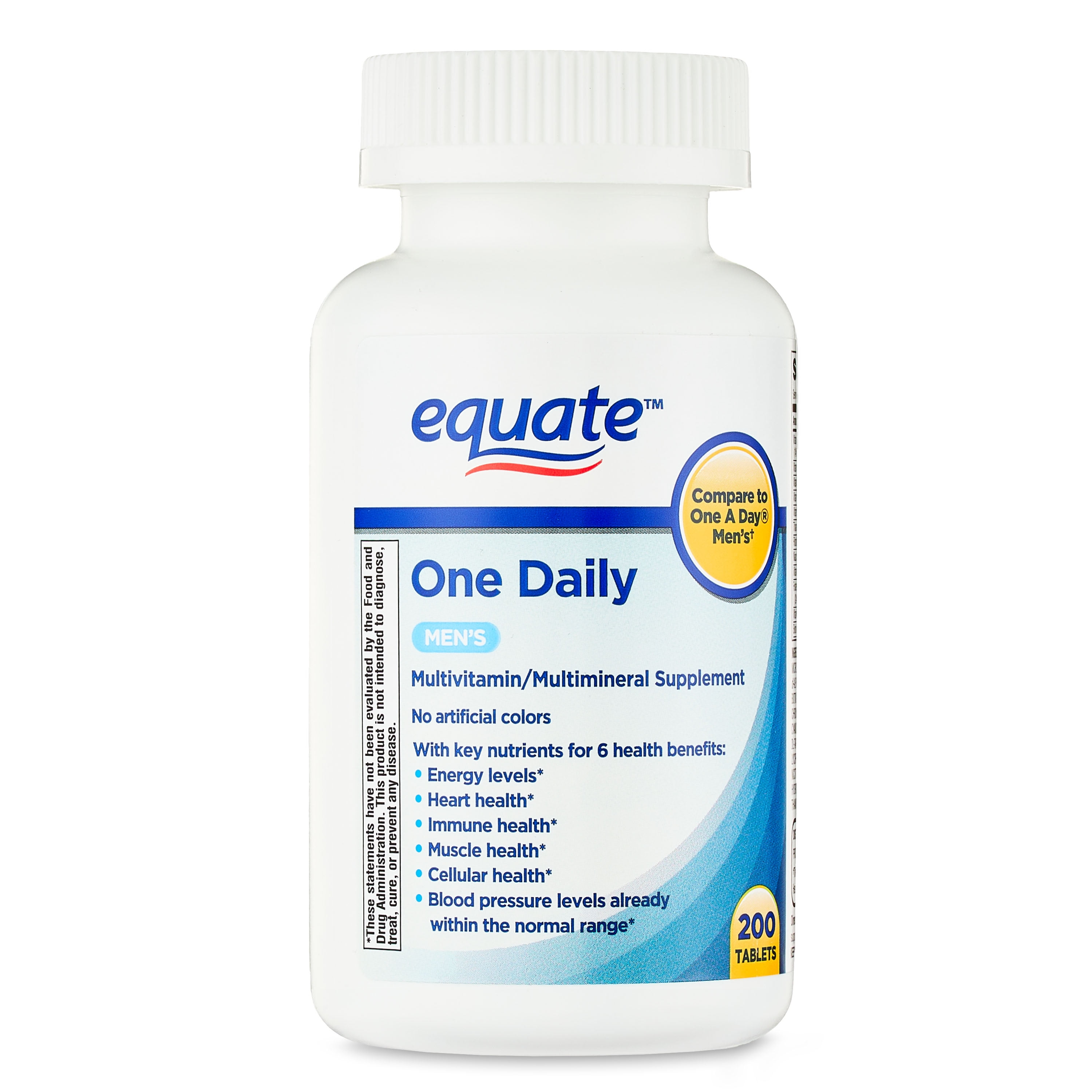
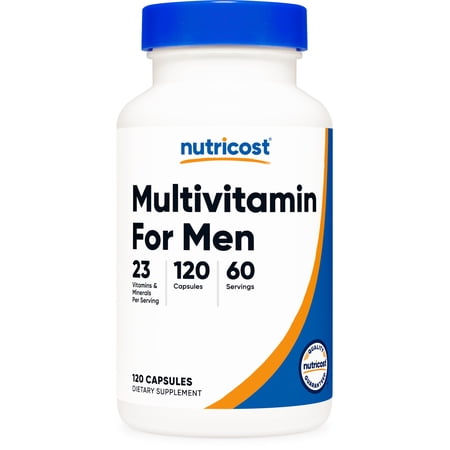
This men's multivitamin contains a range of beneficial vitamins and minerals, such as Vitamin C, D, E, and B12, which support immune function and overall health. However, the presence of magnesium stearate and titanium dioxide, which are often criticized for potential negative health impacts, slightly detracts from its overall quality. The formulation includes several additives, which increases its processing level, but it remains a decent choice for supplementation.
Key ingredients 24
Vitamin CVery Good
Vitamin C is a powerful antioxidant that supports immune function and skin health. It is water-soluble and must be consumed regularly as the body does not store it. High-quality sources are typically derived from natural fruits.
Benefits
Essential for collagen synthesis and acts as an antioxidant, protecting cells from damage.
Vitamin DVery Good
Vitamin D is crucial for bone health and immune function. It is often derived from lanolin or fish oil, which are effective sources. It helps in calcium absorption and maintaining bone density.
Risks
Excessive intake can lead to toxicity, causing hypercalcemia.
Benefits
Supports bone health by aiding calcium absorption and boosts immune system function.
Vitamin EGood
Vitamin E is an antioxidant that protects cell membranes from oxidative damage. It is fat-soluble and often sourced from natural oils. It plays a role in immune function and skin health.
Risks
High doses may interfere with blood clotting and increase bleeding risk.
Benefits
Protects cells from oxidative stress and supports immune health.
Vitamin B12Good
Vitamin B12 is essential for nerve function and red blood cell production. It is typically sourced from animal products or synthesized for supplements. It is crucial for DNA synthesis and energy production.
Benefits
Supports energy metabolism and neurological health.
ZincGood
Zinc is a mineral important for immune function and wound healing. It is often included in supplements to support overall health. It plays a role in DNA synthesis and cell division.
Risks
Excessive intake can lead to nausea and impaired immune function.
Benefits
Supports immune health and aids in wound healing.
SeleniumGood
Selenium is a trace mineral that acts as an antioxidant and supports thyroid function. It is essential for the production of thyroid hormones. It helps protect cells from oxidative damage.
Risks
High doses can lead to selenium toxicity, causing hair loss and gastrointestinal issues.
Benefits
Supports antioxidant defense and thyroid health.
TurmericGood
Turmeric contains curcumin, which has anti-inflammatory properties. It is often used for its potential health benefits in reducing inflammation. It is derived from the root of the Curcuma longa plant.
Risks
High doses may cause digestive upset or interact with certain medications.
Benefits
May reduce inflammation and support joint health.
LycopeneGood
Lycopene is an antioxidant found in tomatoes and other red fruits. It is known for its potential role in reducing the risk of certain chronic diseases. It is often used for its cardiovascular benefits.
Benefits
May support heart health and reduce oxidative stress.
Green Tea ExtractNeutral
Green tea extract is rich in antioxidants and may support metabolism. It is derived from green tea leaves and contains natural caffeine. It is often used for its potential weight management benefits.
Risks
Excessive consumption may lead to caffeine-related side effects such as insomnia or jitteriness.
Benefits
Provides antioxidants that may support metabolic health.
Saw PalmettoNeutral
Saw palmetto is often used to support prostate health. It is derived from the fruit of the Serenoa repens plant. Its efficacy in treating prostate issues is still under research.
Risks
May cause mild digestive issues in some individuals.
Benefits
Traditionally used to support prostate health.
Ginkgo BilobaNeutral
Ginkgo biloba is used for its potential cognitive benefits. It is derived from the leaves of the Ginkgo tree. Its effectiveness in improving memory and cognitive function is still debated.
Risks
May increase bleeding risk, especially when taken with anticoagulants.
Benefits
Traditionally used to support cognitive function.
BilberryNeutral
Bilberry is rich in antioxidants and is often used for eye health. It is derived from the fruit of the Vaccinium myrtillus plant. Its benefits for vision and circulation are still being studied.
Benefits
May support eye health and improve circulation.
Microcrystalline CelluloseNeutral
Microcrystalline cellulose is a common filler and binder in supplements. It is derived from plant fibers and is used to provide structure to tablets. It is generally considered safe and inert.
See more about Microcrystalline Cellulose →CrospovidoneNeutral
Crospovidone is used as a disintegrant in tablets to aid in their breakdown. It is a synthetic polymer that is generally considered safe. It helps ensure the tablet dissolves properly in the digestive tract.
See more about Crospovidone →HypromelloseNeutral
Hypromellose is used as a coating agent and to control the release of active ingredients. It is a cellulose derivative that is generally considered safe. It helps improve the stability and appearance of tablets.
See more about Hypromellose →PovidoneNeutral
Povidone is used as a binder in tablets to hold ingredients together. It is a synthetic polymer that is generally considered safe. It helps ensure the tablet maintains its shape and integrity.
Polyethylene GlycolNeutral
Polyethylene glycol is used as a solvent and to improve the texture of tablets. It is a synthetic compound that is generally considered safe. It helps ensure the tablet is easy to swallow.
See more about Polyethylene Glycol →Magnesium StearateNeutral
Standard formulation ingredient — neither beneficial nor harmful at typical use.
Risks
May inhibit the absorption of nutrients and reduce the effectiveness of the supplement.
Silicon DioxideNeutral
Silicon dioxide is used as an anti-caking agent in supplements. It is a naturally occurring mineral that is generally considered safe. It helps prevent clumping and ensures the free flow of powder ingredients.
See more about Silicon Dioxide →Spearmint OilNeutral
Spearmint oil is used for flavoring in supplements. It is derived from the spearmint plant and is generally considered safe. It provides a pleasant taste and aroma to the product.
See more about Spearmint Oil →Carnauba WaxNeutral
Carnauba wax is used as a coating agent in supplements. It is derived from the leaves of the carnauba palm and is generally considered safe. It provides a shiny finish and protects the tablet from moisture.
See more about Carnauba Wax →Sodium Copper ChlorophyllinNeutral
Sodium copper chlorophyllin is used as a colorant in supplements. It is a water-soluble derivative of chlorophyll and is generally considered safe. It provides a green color to the product.
Potassium SulfateNeutral
Potassium sulfate is used as a source of potassium in supplements. It is a mineral compound that is generally considered safe. It helps maintain electrolyte balance in the body.
Benefits
Provides potassium, which is essential for maintaining electrolyte balance.
Titanium DioxideVery Bad
Titanium dioxide is used as a whitening agent in supplements. It is a mineral compound that has raised health concerns regarding its safety. It is often criticized for its potential to cause inflammation and other health issues.
Risks
Potential health concerns include inflammation and possible carcinogenic effects.
Processing
Processed Foods
Get the full breakdown in the Scout appTake Scout shopping
Scan any product to see lab results, healthy alternatives, and your personalized analysis.
Download on theApp Store GET IT ONGoogle PlayAmazon pricing & content
Amazon price as of . Product prices and availability are accurate as of the date/time indicated and are subject to change. Any price and availability information displayed on Amazon.com at the time of purchase will apply to the purchase of this product.
CERTAIN CONTENT THAT APPEARS ON THIS SITE COMES FROM AMAZON. THIS CONTENT IS PROVIDED “AS IS” AND IS SUBJECT TO CHANGE OR REMOVAL AT ANY TIME.