
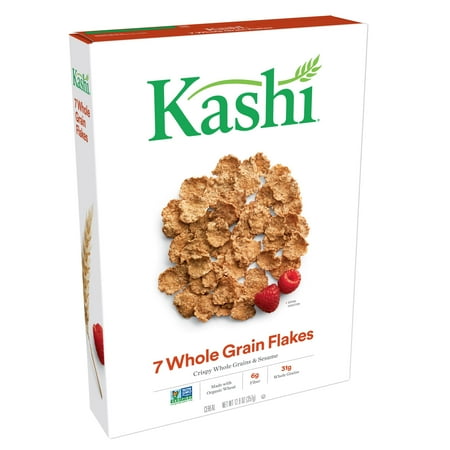
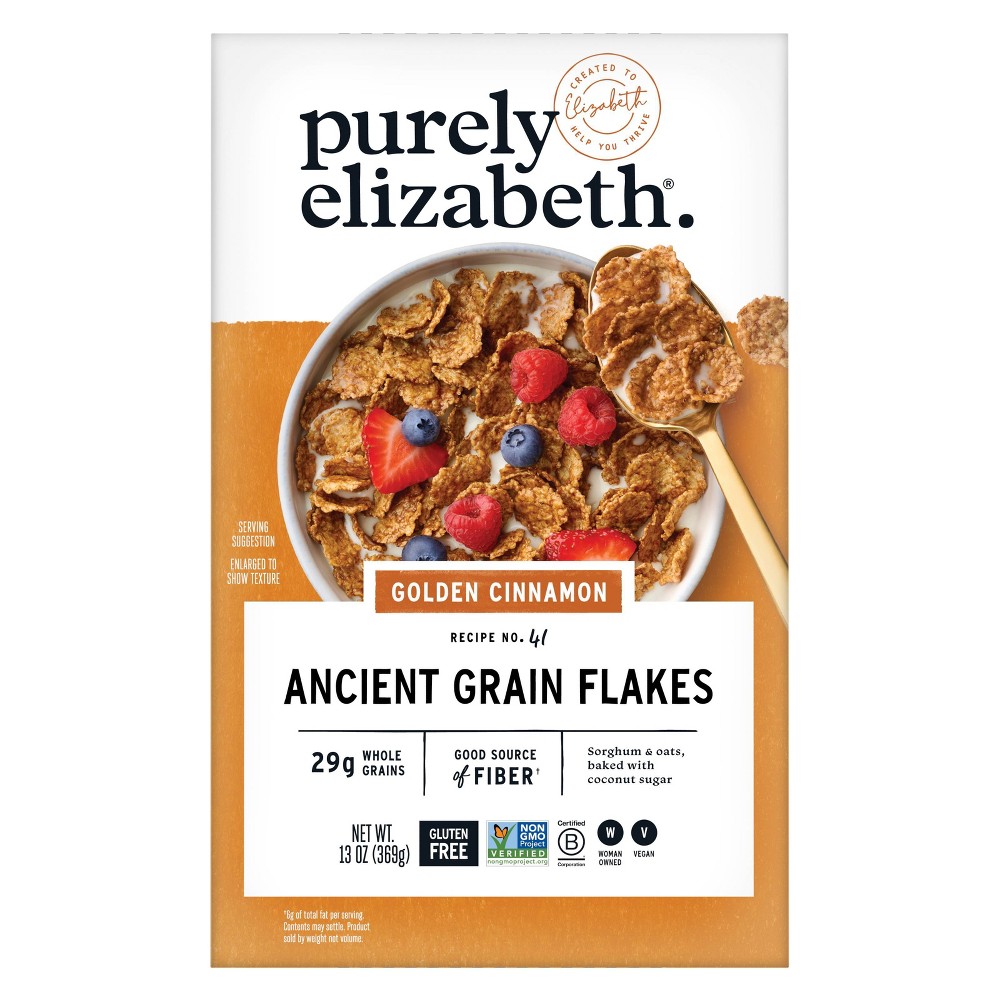

Kashi Whole Health Ready To Eat Cereal 7 Whole Grain Flakes 12.6oz
Analysis updated May 2026 · How Scout scores
At a glance
Summary
This cereal contains a blend of whole grains like oats, brown rice, and buckwheat, which are beneficial for their fiber content and nutritional value. However, it is classified as ultra-processed due to the inclusion of ingredients like organic dried cane syrup and brown rice syrup, which contribute to its added sugar content. Despite the presence of organic and whole grain ingredients, the high level of processing limits its overall healthiness.
Key ingredients 15
OatsVery Good
Oats are a whole grain known for their high fiber content, particularly beta-glucan, which supports heart health. They are minimally processed, retaining most of their nutrients. Oats provide a good source of complex carbohydrates for sustained energy.
Benefits
High in beta-glucan fiber, which supports heart health and provides sustained energy.
BuckwheatVery Good
Buckwheat is a gluten-free whole grain that is high in fiber and essential nutrients. It is minimally processed, retaining its nutritional benefits. Buckwheat supports heart health and provides a good source of energy.
Benefits
Gluten-free and high in fiber, supporting heart health and providing energy.
Organic Hard Red WheatGood
Organic hard red wheat is a whole grain that provides essential nutrients and dietary fiber. Being organic, it is free from synthetic pesticides and fertilizers, enhancing its nutritional profile. It supports digestive health and provides sustained energy.
Risks
Contains gluten, which may cause issues for individuals with celiac disease or gluten sensitivity.
Benefits
Rich in dietary fiber and essential nutrients, supporting digestive health and providing sustained energy.
Brown RiceGood
Brown rice is a whole grain that retains its bran and germ, providing fiber and essential nutrients. It is less processed than white rice, maintaining more of its natural nutritional value. Brown rice supports digestive health and provides a steady energy source.
Risks
May contain trace amounts of arsenic, but generally considered safe in moderation.
Benefits
Provides fiber and essential nutrients, supporting digestive health and offering a steady energy source.
TriticaleGood
Triticale is a hybrid grain combining wheat and rye, offering a high protein and fiber content. It is less processed, retaining its nutritional benefits. Triticale supports digestive health and provides a good source of energy.
Risks
Contains gluten, which may not be suitable for those with gluten intolerance.
Benefits
High in protein and fiber, supporting digestive health and providing energy.
RyeGood
Rye is a whole grain known for its high fiber content and ability to improve digestive health. It is less processed than refined grains, maintaining its nutritional integrity. Rye provides a slow release of energy, beneficial for blood sugar control.
Risks
Contains gluten, which can be problematic for individuals with celiac disease.
Benefits
High in fiber, supporting digestive health and providing a slow release of energy.
BarleyGood
Barley is a whole grain rich in fiber, particularly beta-glucan, which is beneficial for heart health. It is minimally processed, retaining its nutritional benefits. Barley supports digestive health and provides a steady energy source.
Risks
Contains gluten, which may not be suitable for those with gluten intolerance.
Benefits
Rich in beta-glucan fiber, supporting heart health and providing steady energy.
Organic Long Grain RiceGood
Organic long grain rice is a whole grain that provides essential nutrients and energy. Being organic, it is free from synthetic pesticides and fertilizers, enhancing its nutritional profile. It supports digestive health and provides a steady energy source.
Risks
May contain trace amounts of arsenic, but generally considered safe in moderation.
Benefits
Provides essential nutrients and energy, supporting digestive health.
Organic Wheat BranGood
Organic wheat bran is a high-fiber component of wheat that supports digestive health. Being organic, it is free from synthetic pesticides and fertilizers. Wheat bran is beneficial for maintaining regular bowel movements and overall gut health.
Risks
Contains gluten, which may cause issues for individuals with celiac disease or gluten sensitivity.
Benefits
High in fiber, supporting digestive health and regular bowel movements.
Oat FiberGood
Oat fiber is a concentrated source of dietary fiber derived from oats. It is minimally processed and supports digestive health by promoting regularity. Oat fiber can help maintain healthy cholesterol levels.
Benefits
Supports digestive health and helps maintain healthy cholesterol levels.
Sesame SeedsGood
Sesame seeds are a nutrient-dense food rich in healthy fats, protein, and minerals. They are minimally processed and provide beneficial compounds like lignans and phytosterols. Sesame seeds support heart health and provide essential nutrients.
Risks
May cause allergic reactions in susceptible individuals.
Benefits
Rich in healthy fats, protein, and minerals, supporting heart health and providing essential nutrients.
Organic Dried Cane SyrupNeutral
Organic dried cane syrup is a natural sweetener derived from sugar cane. Being organic, it is free from synthetic pesticides and fertilizers. It provides sweetness but should be consumed in moderation due to its sugar content.
Risks
High sugar content can contribute to health issues if consumed in excess.
Benefits
Provides natural sweetness without synthetic additives.
Barley Malt ExtractNeutral
Barley malt extract is a natural sweetener derived from barley. It is used to enhance flavor and color in foods. While it provides some nutrients, it is primarily a source of sugar and should be consumed in moderation.
Risks
Contains gluten and sugar, which may be a concern for those with celiac disease or sugar sensitivities.
Benefits
Enhances flavor and color naturally without synthetic additives.
Brown Rice SyrupNeutral
Brown rice syrup is a natural sweetener made from fermented brown rice. It is used as an alternative to refined sugars. While it provides sweetness, it has a high glycemic index and should be consumed in moderation.
Risks
High glycemic index can affect blood sugar levels if consumed in excess.
Benefits
Provides natural sweetness as an alternative to refined sugars.
SaltNeutral
Salt is used to enhance flavor and preserve food. It is a common ingredient in many processed foods. While necessary for bodily functions, excessive consumption can lead to health issues such as hypertension.
Risks
Excessive consumption can lead to hypertension and other cardiovascular issues.
Benefits
Enhances flavor and is necessary for bodily functions in moderation.
Processing
Ultra-Processed Foods
Get the full breakdown in the Scout appTake Scout shopping
Scan any product to see lab results, healthy alternatives, and your personalized analysis.
Download on theApp Store GET IT ONGoogle Play