
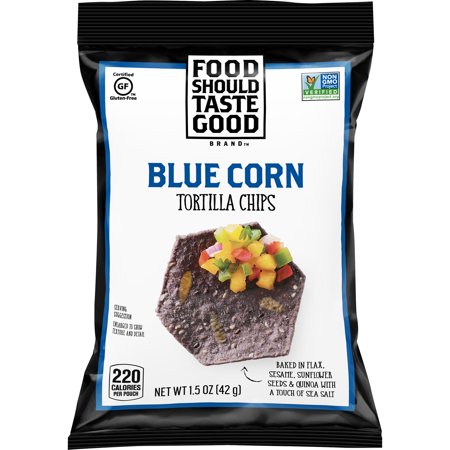


Food Should Taste Good Blue Corn Tortilla Chips
Analysis updated May 2026 · How Scout scores
At a glance
Summary
This product contains beneficial ingredients like organic blue corn, flax seeds, and quinoa, which provide fiber, omega-3 fatty acids, and complete proteins. However, the presence of high oleic sunflower oil, a seed oil with potential inflammatory effects, and the processed nature of the product limit its overall healthiness. Despite the clean ingredient list, the processing level and use of seed oils necessitate a moderate score.
Key ingredients 9
Organic blue cornVery Good
Organic blue corn is a whole grain that provides fiber and essential nutrients. Being organic, it is free from synthetic pesticides and GMOs. It also contains anthocyanins, which are antioxidants that may offer health benefits.
Benefits
Rich in fiber and antioxidants, supporting digestive health and reducing oxidative stress.
Flax seedsVery Good
Flax seeds are a rich source of omega-3 fatty acids, fiber, and lignans, which have antioxidant properties. They support heart health and may reduce inflammation. Ground flax seeds are better absorbed by the body, enhancing their nutritional benefits.
Benefits
Rich in omega-3 fatty acids and fiber, supporting heart health and reducing inflammation.
QuinoaVery Good
Quinoa is a complete protein source, providing all essential amino acids. It is high in fiber, vitamins, and minerals, supporting overall health. Its versatility makes it a valuable addition to various diets.
Benefits
Rich in protein and fiber, supporting muscle health and digestion.
Brown rice flourGood
Brown rice flour is a whole grain flour that retains the bran and germ, providing fiber and nutrients. It is gluten-free, making it suitable for those with gluten sensitivities. It offers a mild flavor and can improve the nutritional profile of baked goods.
Benefits
Provides dietary fiber and essential nutrients, supporting digestive health.
Sesame seedsGood
Sesame seeds are a good source of healthy fats, protein, and minerals like calcium and magnesium. They contain lignans and phytosterols, which may support heart health. Toasting enhances their flavor and nutrient availability.
Risks
Allergic reactions can occur in sensitive individuals.
Benefits
Rich in healthy fats and minerals, supporting bone health and cardiovascular function.
Sunflower seedsGood
Sunflower seeds are nutrient-dense, providing healthy fats, protein, and vitamin E. They support heart health and have antioxidant properties. Roasting can enhance flavor but may reduce some nutrient content.
Risks
Allergic reactions can occur in sensitive individuals.
Benefits
Rich in vitamin E and healthy fats, supporting heart health and providing antioxidant benefits.
Sea saltGood
Unrefined sea salt — a minimally processed, natural source of sodium and essential trace minerals, and a legitimate whole-food seasoning. Treated as a positive ingredient.
Risks
Excessive sodium intake can lead to high blood pressure and cardiovascular issues.
Benefits
Provides essential sodium for fluid balance and nerve function.
Cane sugarBad
Processed additive flagged under Scout's ingredient doctrine.
Risks
Excessive consumption can lead to weight gain and increased risk of metabolic diseases.
Benefits
Provides quick energy but lacks significant nutritional benefits.
High oleic sunflower oilVery Bad
High oleic sunflower oil is a seed oil with a high omega-6 fatty acid content, which can promote inflammation. It is often processed using high heat and chemicals, which may degrade its nutritional quality. Despite being high in monounsaturated fats, its potential health risks outweigh benefits.
Risks
High omega-6 content may promote inflammation when consumed in excess.
Benefits
Contains monounsaturated fats that can support heart health when consumed in moderation.
Processing
Processed Foods
Get the full breakdown in the Scout appTake Scout shopping
Scan any product to see lab results, healthy alternatives, and your personalized analysis.
Download on theApp Store GET IT ONGoogle PlayAmazon pricing & content
Amazon price as of . Product prices and availability are accurate as of the date/time indicated and are subject to change. Any price and availability information displayed on Amazon.com at the time of purchase will apply to the purchase of this product.
CERTAIN CONTENT THAT APPEARS ON THIS SITE COMES FROM AMAZON. THIS CONTENT IS PROVIDED “AS IS” AND IS SUBJECT TO CHANGE OR REMOVAL AT ANY TIME.