


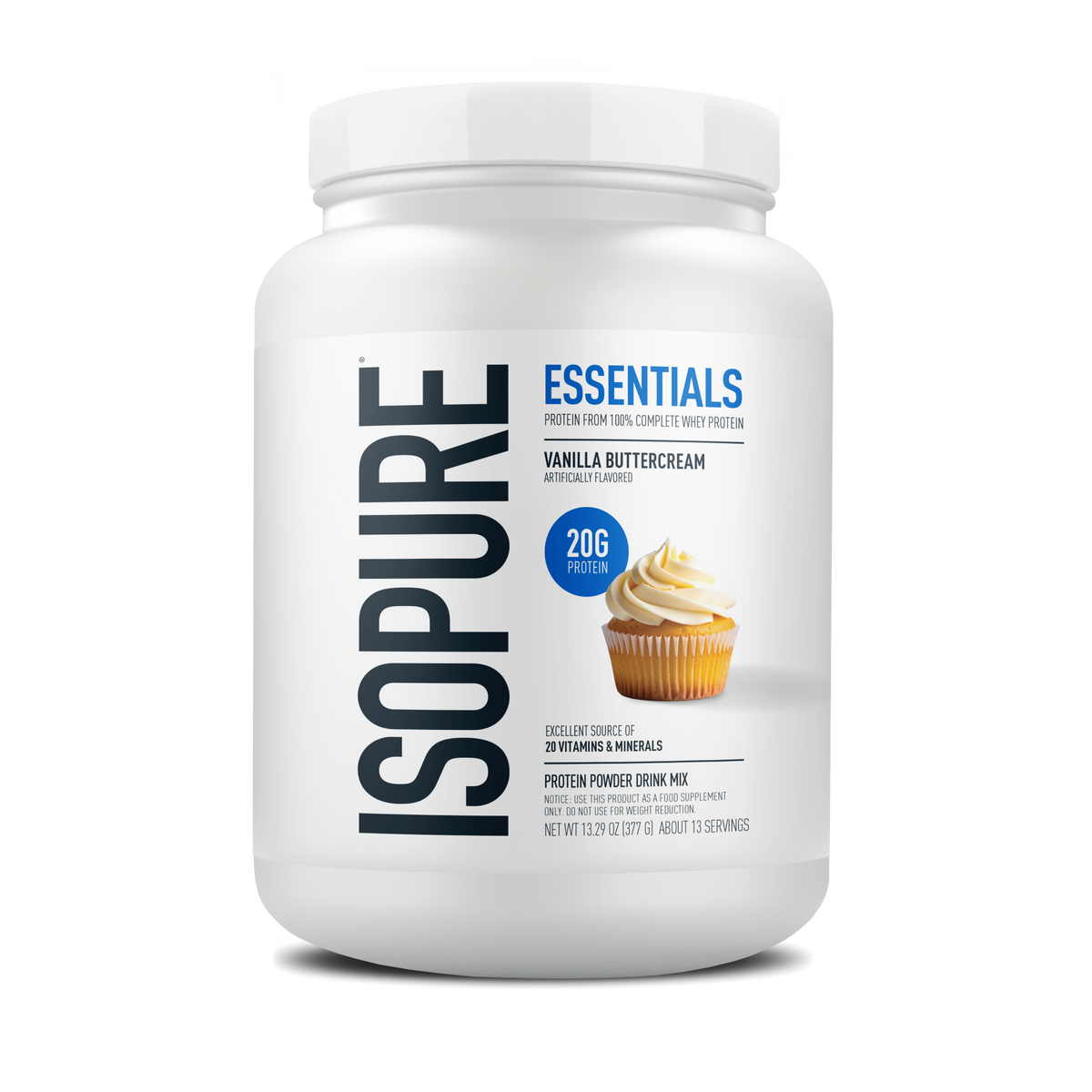
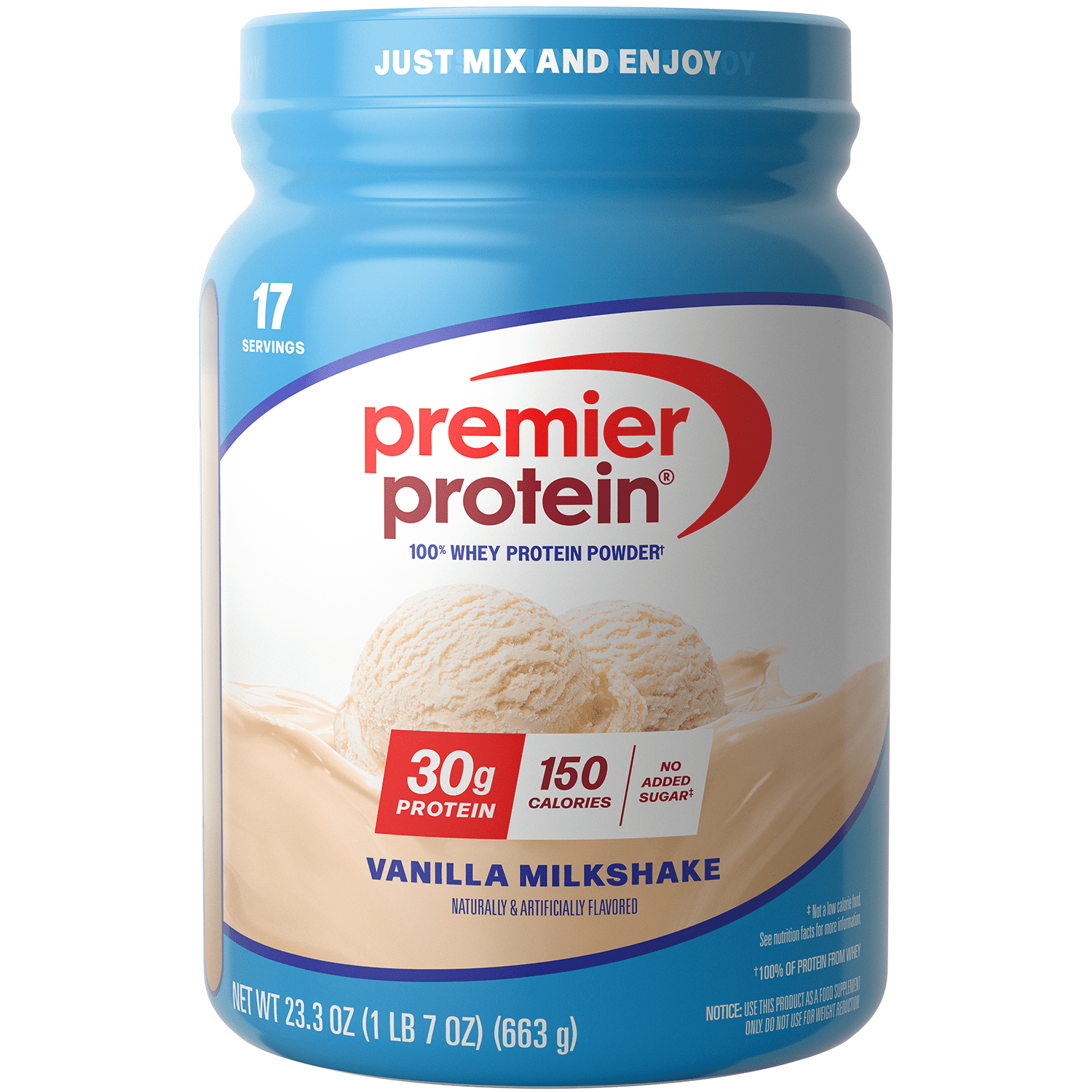

Vanilla protein booster
Analysis updated May 2026 · How Scout scores
At a glance
Summary
This vanilla protein booster contains high-quality protein sources like whey protein isolate and hydrolyzed whey, which are beneficial for muscle repair and growth. However, the presence of natural flavors and soy lecithin introduces some processing concerns, although these are relatively minor in the context of flavored protein powders. The product maintains a good balance of beneficial ingredients with minimal additives, making it a solid choice for those seeking a protein supplement.
Key ingredients 7
Whey Protein IsolateVery Good
Whey Protein Isolate is a high-quality, fast-absorbing protein that supports muscle recovery and overall nutrition.
See more about Whey Protein Isolate →Whey Protein HydrolyzedGood
Whey Protein Hydrolyzed is pre-digested, making it easier for the body to absorb and utilize for muscle repair.
Whey Protein ConcentrateGood
Whey Protein Concentrate provides a good source of protein with additional nutrients from the whey.
See more about Whey Protein Concentrate →Xanthan GumNeutral
Xanthan Gum is a common thickening agent that improves texture without affecting health negatively.
See more about Xanthan Gum →Triglycerides MediumNeutral
Triglycerides Medium is a type of fat used for energy and texture, generally considered neutral in impact.
Natural FlavorsBad
Umbrella term that can hide dozens of undisclosed synthetic constituents.
See more about Natural Flavors →Soy LecithinBad
Soy Lecithin is often used as an emulsifier but may be a concern for those sensitive to soy or looking to avoid processed additives.
See more about Soy Lecithin →Processing
Processed Foods
Get the full breakdown in the Scout appTake Scout shopping
Scan any product to see lab results, healthy alternatives, and your personalized analysis.
Download on theApp Store GET IT ONGoogle PlayAmazon pricing & content
Amazon price as of . Product prices and availability are accurate as of the date/time indicated and are subject to change. Any price and availability information displayed on Amazon.com at the time of purchase will apply to the purchase of this product.
CERTAIN CONTENT THAT APPEARS ON THIS SITE COMES FROM AMAZON. THIS CONTENT IS PROVIDED “AS IS” AND IS SUBJECT TO CHANGE OR REMOVAL AT ANY TIME.