

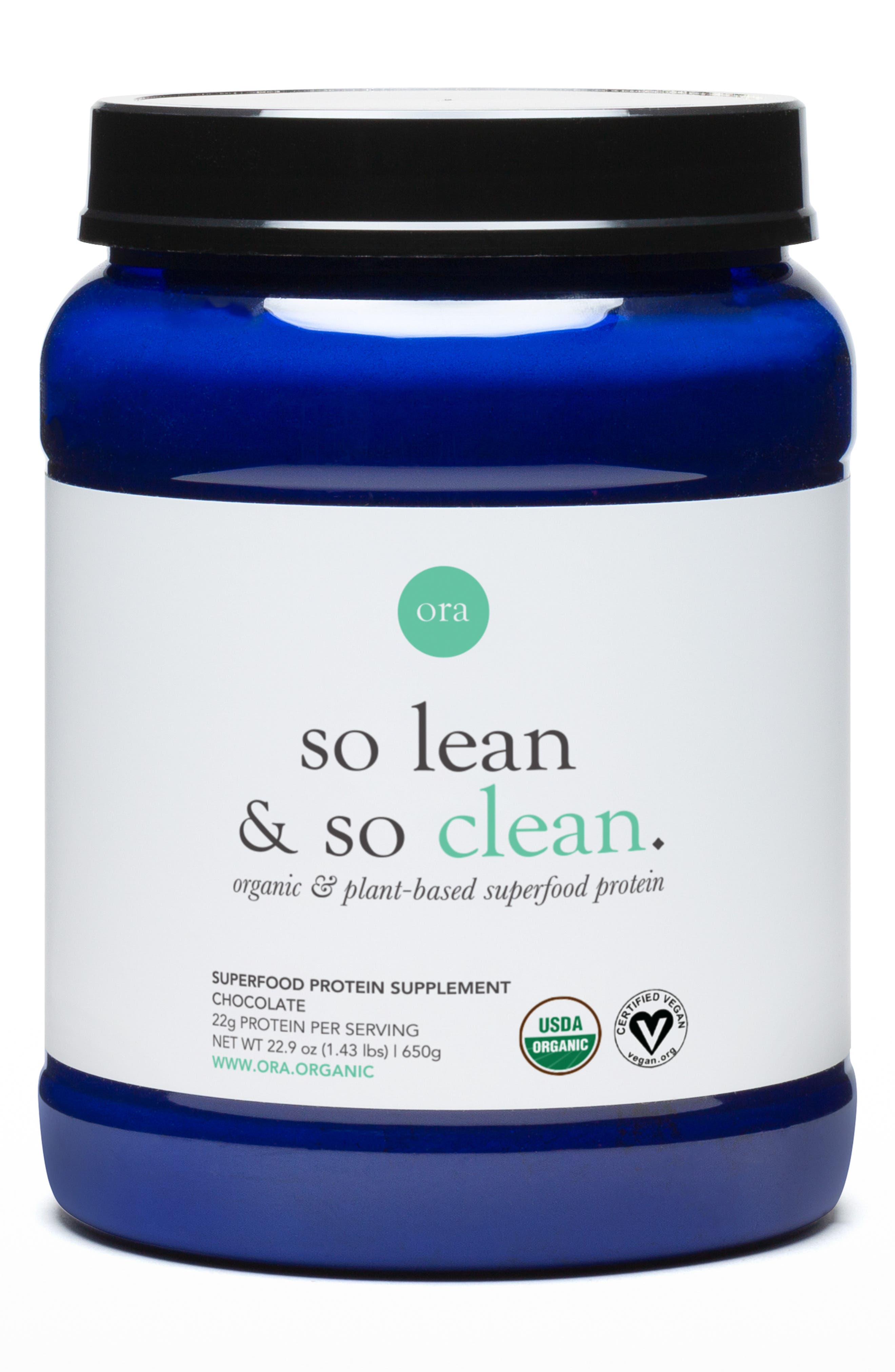

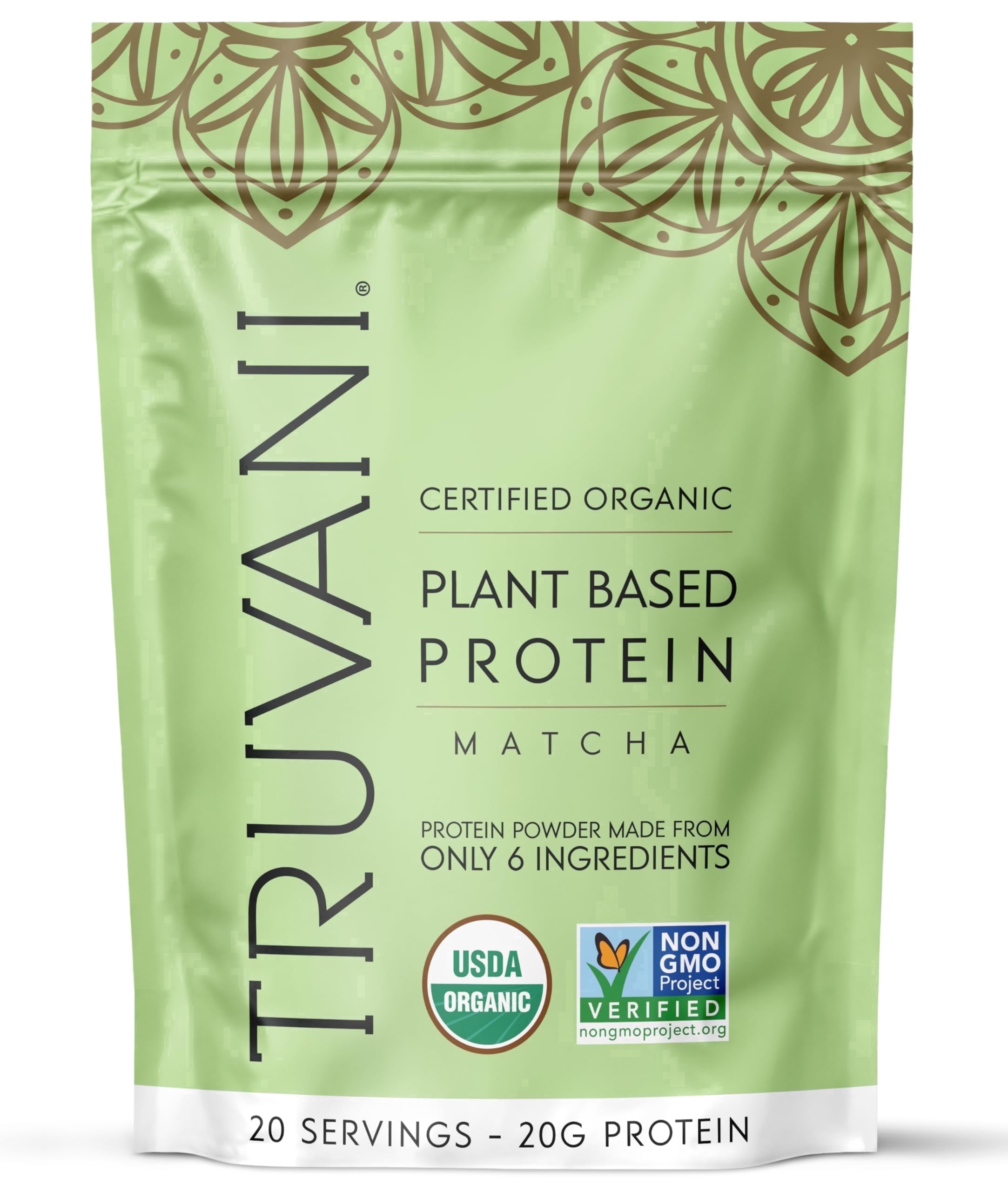

At a glance
Summary
This plant-based superfood blend features high-quality ingredients like yellow pea protein and brown rice protein, which provide a complete amino acid profile and are minimally processed. The inclusion of natural flavors, however, raises concerns due to their lack of transparency. Additionally, the use of multiple gums as stabilizers and thickeners contributes to a moderate level of processing, which slightly impacts the overall score.
Key ingredients 12
Brown Rice ProteinGood
Brown rice protein is a plant-based protein that provides a good source of essential amino acids. It is hypoallergenic and suitable for those with dietary restrictions. It complements other plant proteins to provide a complete amino acid profile.
Benefits
Provides essential amino acids and is easily digestible.
Coconut OilGood
Beneficial ingredient — whole-food or functional value in this product class.
Risks
High in saturated fats, which may increase cholesterol levels if consumed excessively.
Benefits
Contains medium-chain triglycerides that may support energy metabolism.
Yellow Pea ProteinNeutral
Standard formulation ingredient — neither beneficial nor harmful at typical use.
Benefits
Rich in essential amino acids and supports muscle growth and repair.
Coconut MilkNeutral
Coconut milk is a plant-based milk alternative that provides a creamy texture. It is high in saturated fats, which can be a concern if consumed in excess. It is often used in vegan and dairy-free products.
Risks
High in saturated fats, which may impact heart health if consumed in large amounts.
Benefits
Provides a rich, creamy texture and is a source of medium-chain triglycerides.
Oat MilkNeutral
Oat milk is a popular plant-based milk alternative that is often fortified with vitamins and minerals. It is low in protein compared to other milk alternatives. It is a good option for those with nut or soy allergies.
Risks
May contain added sugars or thickeners in some formulations.
Benefits
Provides a source of dietary fiber and is often enriched with nutrients.
Cassava RootNeutral
Cassava root is a starchy tuber used as a carbohydrate source. It is gluten-free and often used in gluten-free products. It is a staple food in many tropical regions.
Risks
Contains cyanogenic glycosides, which can be toxic if not properly processed.
Benefits
Provides a source of carbohydrates and is gluten-free.
Xanthan GumNeutral
Xanthan gum is a common food additive used as a thickener and stabilizer. It is produced by fermenting sugars with Xanthomonas campestris bacteria. It is generally recognized as safe when consumed in typical amounts.
Risks
May cause digestive issues in large amounts for some individuals.
Benefits
Improves texture and stability of food products.
Guar GumNeutral
Guar gum is a natural thickening agent derived from guar beans. It is used to improve texture and consistency in food products. It is high in soluble fiber, which can aid digestion.
Risks
Excessive consumption may lead to digestive discomfort.
Benefits
Provides soluble fiber that can support digestive health.
Medium Chain TriglyceridesNeutral
Medium chain triglycerides (MCTs) are fats that are metabolized differently than long-chain fats. They are quickly absorbed and used for energy. MCTs are often used in ketogenic diets.
Benefits
May support energy metabolism and weight management.
Beet Root JuiceNeutral
Beet root juice is used as a natural colorant in food products. It is derived from beets and provides a red hue. It is a natural alternative to synthetic dyes.
Benefits
Provides natural color without synthetic additives.
SaltNeutral
Salt is used to enhance flavor and preserve food. It is essential for various bodily functions but should be consumed in moderation. Excessive salt intake can lead to health issues such as hypertension.
Risks
High intake may contribute to hypertension and cardiovascular issues.
Benefits
Essential for maintaining fluid balance and nerve function.
Natural FlavorsBad
Natural flavors are a catch-all term for flavoring agents derived from natural sources. They lack transparency and can contain a variety of chemical compounds. The lack of specific ingredient disclosure is a concern for those with allergies or sensitivities.
Risks
Potential allergen risk due to undisclosed components.
Processing
Processed Foods
Get the full breakdown in the Scout appTake Scout shopping
Scan any product to see lab results, healthy alternatives, and your personalized analysis.
Download on theApp Store GET IT ONGoogle Play