
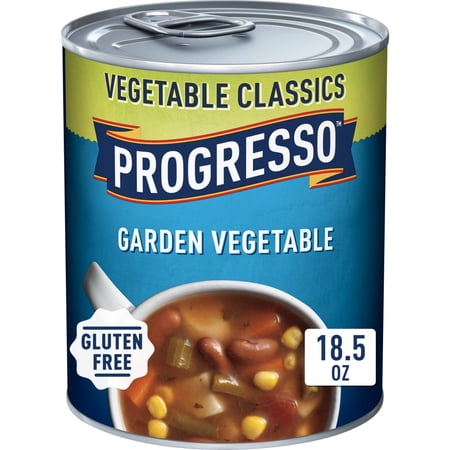


Progresso Vegetable Classics Garden Vegetable Soup
Analysis updated May 2026 · How Scout scores
At a glance
Summary
This soup contains a variety of beneficial vegetables like carrots, tomatoes, and kidney beans, which provide essential nutrients and fiber. However, it is classified as highly processed due to the presence of ingredients like modified food starch and natural flavors, which are often highly processed and lack transparency. The addition of sugar and the use of citric acid as an additive further contribute to its processing level, limiting its overall healthiness despite the presence of nutritious ingredients.
Key ingredients 22
CarrotsVery Good
Carrots are rich in beta-carotene, which the body converts to vitamin A, essential for vision and immune function. They are minimally processed, preserving their nutritional integrity. Carrots also provide dietary fiber, supporting digestive health.
Benefits
High in beta-carotene and fiber, promoting eye health and digestion.
TomatoesVery Good
Tomatoes are a rich source of vitamins C and K, potassium, and folate. They are minimally processed, retaining their natural nutrients. Tomatoes also contain lycopene, an antioxidant with potential health benefits.
Benefits
High in vitamins and antioxidants, supporting overall health.
Kidney BeansVery Good
Kidney beans are an excellent source of plant-based protein and fiber. They are minimally processed, retaining their nutritional integrity. Beans also provide essential minerals like iron and magnesium.
Risks
May cause digestive discomfort in some individuals due to oligosaccharides.
Benefits
High in protein and fiber, supporting muscle health and digestion.
PotatoesGood
Potatoes are a good source of carbohydrates and provide essential nutrients like vitamin C and potassium. They are minimally processed in this context, retaining most of their nutritional value. Potatoes can be a satiating component of meals.
Risks
Excessive consumption may contribute to high carbohydrate intake.
Benefits
Rich in vitamin C and potassium, supporting immune function and heart health.
Tomato PureeGood
Tomato puree is a concentrated source of lycopene, an antioxidant linked to reduced risk of chronic diseases. It is made by cooking tomatoes and removing skins and seeds, concentrating nutrients. The cooking process enhances lycopene bioavailability.
Benefits
Rich in lycopene, which may reduce the risk of heart disease and cancer.
CornGood
Beneficial ingredient — whole-food or functional value in this product class.
Risks
Potential concerns with genetically modified variants.
Benefits
Provides carbohydrates and some dietary fiber.
CeleryGood
Celery is low in calories and provides dietary fiber, vitamins A, C, and K. It is minimally processed, maintaining its nutritional benefits. Celery also contains antioxidants that may reduce inflammation.
Benefits
Rich in vitamins and antioxidants, supporting immune and digestive health.
Green BeansGood
Green beans are low in calories and provide vitamins C and K, as well as fiber. They are minimally processed, preserving their nutritional content. Green beans also contain antioxidants that support overall health.
Benefits
Rich in vitamins and fiber, promoting immune and digestive health.
OnionGood
Onions are rich in antioxidants and sulfur-containing compounds that may support heart health. They are minimally processed, retaining their nutritional benefits. Onions also provide flavor and aroma to dishes.
Benefits
Contains antioxidants and compounds that may support cardiovascular health.
Dried ParsleyGood
Dried parsley is used for flavor and provides vitamins A, C, and K. It is minimally processed, retaining its nutritional benefits. Parsley also contains antioxidants that may support overall health.
Benefits
Rich in vitamins and antioxidants, supporting immune and bone health.
WaterNeutral
Water is a neutral ingredient used as a base for the soup. It provides no calories or nutrients but is essential for hydration. It acts as a solvent for other ingredients.
See more about Water →SaltNeutral
Salt is used to enhance flavor and preserve food. It is a common ingredient in processed foods but should be consumed in moderation. Excessive salt intake can lead to health issues like hypertension.
Risks
High sodium intake may contribute to hypertension and cardiovascular disease.
Benefits
Enhances flavor and acts as a preservative.
Vegetable Juice ConcentratesNeutral
Vegetable juice concentrates are used for flavor and color enhancement. They are derived from various vegetables and may retain some nutrients. However, the concentration process can reduce their overall nutritional value.
Benefits
May provide some vitamins and minerals, depending on the vegetables used.
Potassium ChlorideNeutral
Potassium chloride is used as a salt substitute to reduce sodium content. It provides potassium, an essential mineral for heart and muscle function. However, excessive intake can lead to hyperkalemia in susceptible individuals.
Risks
Excessive intake may lead to hyperkalemia, especially in individuals with kidney issues.
Benefits
Provides potassium, supporting heart and muscle health.
Corn ProteinNeutral
Corn protein is used as a protein source but lacks a complete amino acid profile compared to animal proteins. It is derived from corn and may be genetically modified. It provides some protein content but is not as nutritionally rich as other sources.
Risks
Potential concerns with genetically modified variants and incomplete amino acid profile.
Benefits
Provides some protein content, though not as complete as animal-based sources.
SpiceNeutral
Spices are used to enhance flavor and may provide some antioxidants. The specific spices used are not detailed, making it difficult to assess their full nutritional impact. Spices generally contribute to the sensory profile of foods.
Benefits
May provide antioxidants and enhance flavor.
Citric AcidNeutral
Citric acid is used as a preservative and to add acidity to foods. It is naturally found in citrus fruits but is often industrially produced for food use. It is generally recognized as safe when consumed in typical amounts.
Benefits
Acts as a preservative and enhances flavor.
Calcium ChlorideNeutral
Calcium chloride is used as a firming agent and to enhance texture in foods. It provides calcium, an essential mineral for bone health. However, it is used in small amounts and does not significantly contribute to dietary calcium intake.
Benefits
Provides calcium, though in minimal amounts.
Modified Food StarchBad
Chemically modified starch additive.
See more about Modified Food Starch →SugarBad
Sugar is added for sweetness but provides empty calories with no essential nutrients. It is a refined carbohydrate that can contribute to weight gain and metabolic issues. Excessive sugar consumption is linked to various health problems.
Risks
May contribute to obesity, diabetes, and dental issues when consumed in excess.
Natural FlavorBad
Natural flavors are used to enhance taste but are often highly processed and lack transparency. They can contain a variety of chemical compounds, raising concerns about their purity and health impact. The term 'natural' does not guarantee safety or nutritional benefits.
Risks
Potential concerns about purity and lack of transparency in ingredient composition.
Yeast ExtractBad
Concentrated glutamate source — MSG-adjacent flavor enhancer.
Risks
May cause reactions in individuals sensitive to glutamates.
Benefits
Enhances flavor and provides some B vitamins.
Processing
Ultra-Processed Foods
Get the full breakdown in the Scout appTake Scout shopping
Scan any product to see lab results, healthy alternatives, and your personalized analysis.
Download on theApp Store GET IT ONGoogle PlayAmazon pricing & content
Amazon price as of . Product prices and availability are accurate as of the date/time indicated and are subject to change. Any price and availability information displayed on Amazon.com at the time of purchase will apply to the purchase of this product.
CERTAIN CONTENT THAT APPEARS ON THIS SITE COMES FROM AMAZON. THIS CONTENT IS PROVIDED “AS IS” AND IS SUBJECT TO CHANGE OR REMOVAL AT ANY TIME.