

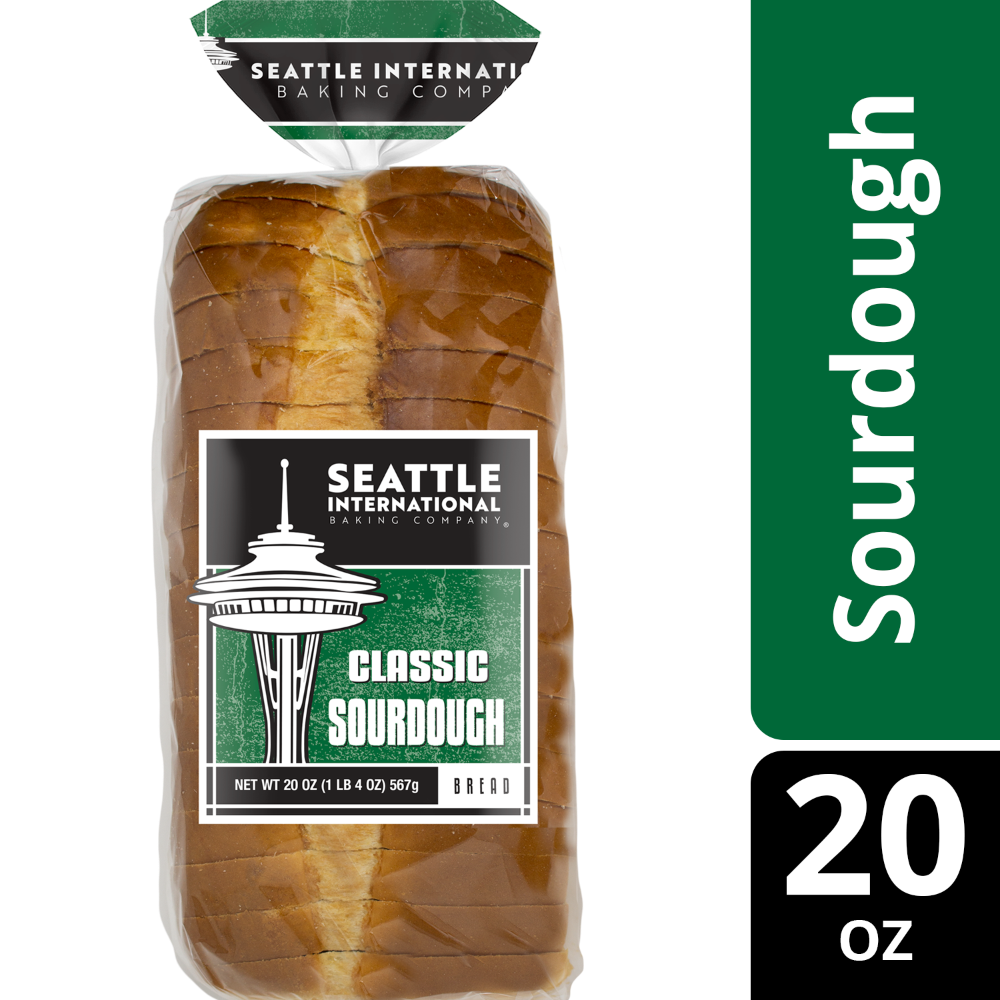


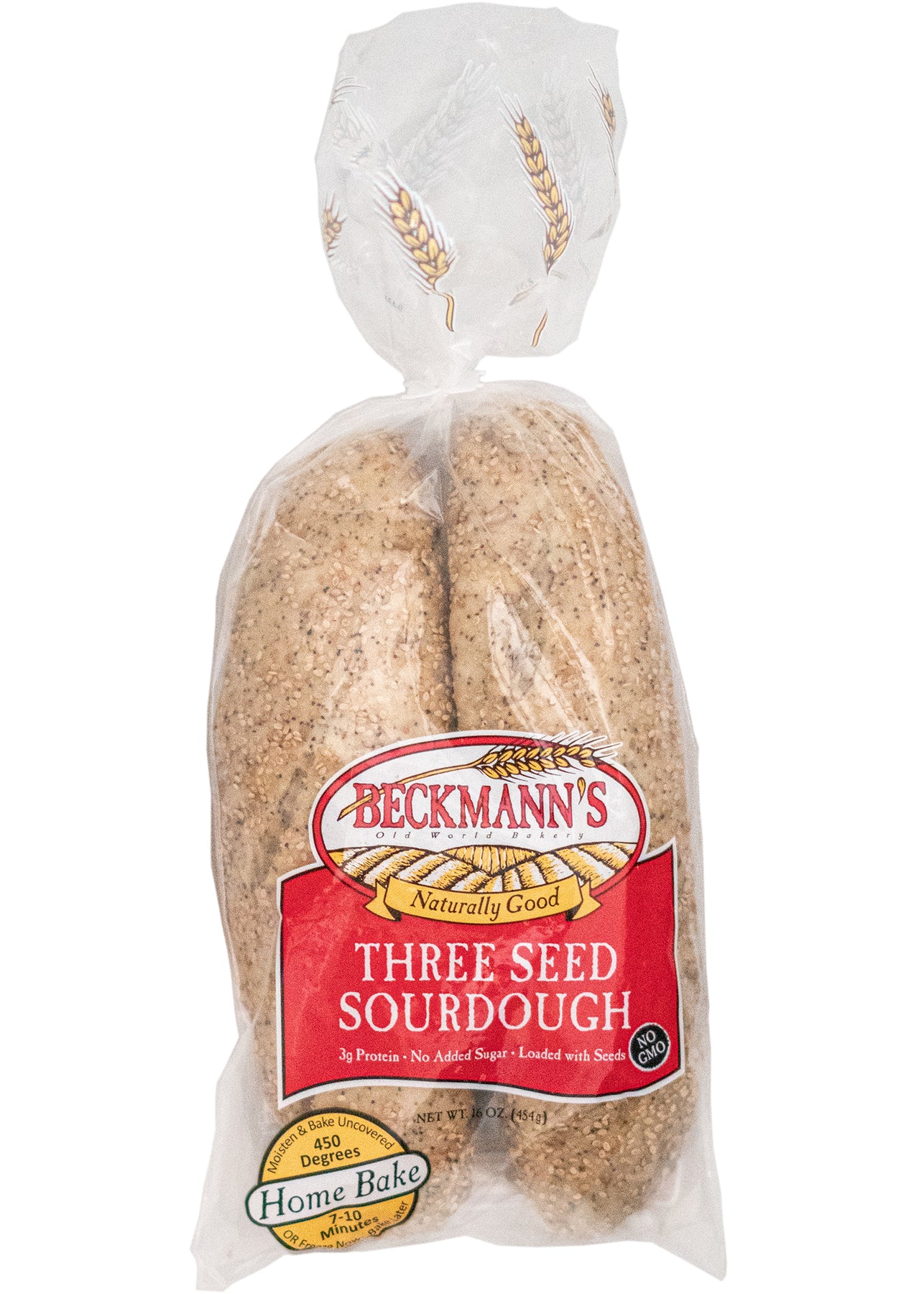
Cornbread stuffing mix
Near you
Trader Joe's is carried at Trader Joe stores. Find one within 25 miles.
Summary
This cornbread stuffing mix contains beneficial ingredients like malted barley flour and various vitamins, which enhance its nutritional profile. However, it is primarily made from unbleached enriched flour, a refined ingredient that lacks natural nutrients and fiber. The product is moderately processed, which limits its score, but the absence of harmful additives and the inclusion of herbs like oregano and sage contribute positively to its overall rating.
At a glance
Key ingredients 23
WaterNeutral
Water is a neutral ingredient used as a solvent and to provide moisture. It does not contribute any calories or nutrients. It is essential for the texture and consistency of the product.
See more about Water →Cornbread CroutonNeutral
Cornbread croutons are made from baked cornbread, providing texture and flavor. They are typically made from cornmeal, which is a source of carbohydrates. The processing involved in making croutons can reduce some nutritional value.
Risks
May contain added fats or preservatives depending on preparation.
Benefits
Provides carbohydrates for energy.
Unbleached Enriched FlourBad
Unbleached enriched flour is refined and stripped of natural nutrients, then fortified with synthetic vitamins. It is a common ingredient in processed foods. The refining process removes fiber and essential nutrients.
Risks
High consumption of refined flour can lead to blood sugar spikes and contribute to metabolic issues.
Benefits
Provides carbohydrates and some added vitamins.
Wheat FlourNeutral
Wheat flour is a staple ingredient providing carbohydrates and some protein. It is less processed than enriched flour but still lacks the fiber of whole grain. It is used for its baking properties and texture.
Risks
May cause gluten-related issues for sensitive individuals.
Benefits
Provides energy and some protein.
Malted Barley FlourGood
Malted barley flour is used to enhance flavor and improve dough fermentation. It contains enzymes that aid in breaking down starches. It is less processed and retains more nutrients than refined flours.
Benefits
Enhances flavor and provides enzymes beneficial for digestion.
NiacinGood
Niacin, or vitamin B3, is added to enriched flour to compensate for nutrient loss during processing. It plays a role in energy metabolism and DNA repair. It is essential for maintaining healthy skin and nerves.
Benefits
Supports energy metabolism and overall health.
Reduced IronGood
Reduced iron is added to enriched flour to prevent iron deficiency. It is a crucial component of hemoglobin in red blood cells. Iron fortification helps maintain adequate iron levels in the diet.
Risks
Excessive iron intake can lead to toxicity, but this is rare from food sources.
Benefits
Prevents iron deficiency and supports oxygen transport in the body.
Thiamine MononitrateGood
Thiamine mononitrate is a form of vitamin B1 added to enriched flour. It is essential for carbohydrate metabolism and nerve function. Fortification helps prevent thiamine deficiency.
Benefits
Supports energy production and nerve health.
RiboflavinGood
Riboflavin, or vitamin B2, is added to enriched flour to enhance nutritional value. It is important for energy production and cellular function. Riboflavin is water-soluble and must be consumed regularly.
Benefits
Supports energy metabolism and cellular health.
OreganoGood
Oregano is a herb used for its aromatic flavor and potential health benefits. It contains antioxidants and has antimicrobial properties. Oregano can enhance the flavor profile of dishes naturally.
Benefits
Rich in antioxidants and may support immune health.
SageGood
Sage is a herb known for its distinct flavor and potential health benefits. It contains antioxidants and may have anti-inflammatory properties. Sage is used to enhance the flavor of savory dishes.
Benefits
Contains antioxidants and may support cognitive health.
OnionGood
Onion is a vegetable used for its flavor and nutritional benefits. It contains antioxidants and compounds that may support heart health. Onions are a common ingredient in many savory dishes.
Benefits
Rich in antioxidants and may support heart health.
CeleryGood
Celery is a low-calorie vegetable used for its crisp texture and flavor. It contains vitamins and minerals, including vitamin K and potassium. Celery is often used in soups and salads for its refreshing taste.
Benefits
Provides vitamins and minerals with potential anti-inflammatory effects.
GarlicGood
Garlic is a flavorful bulb known for its health-promoting properties. It contains compounds like allicin, which may have antimicrobial and cardiovascular benefits. Garlic is widely used to enhance the flavor of dishes.
Benefits
May support heart health and immune function.
MushroomsGood
Mushrooms are fungi that provide umami flavor and nutritional benefits. They contain vitamins, minerals, and antioxidants. Mushrooms are low in calories and can enhance the flavor and nutrition of meals.
Benefits
Rich in nutrients and may support immune health.
Olive OilVery Good
Olive oil is a high-quality monounsaturated fat with anti-inflammatory properties. It contains antioxidants that support heart health. Cold-pressed extraction preserves beneficial compounds.
Benefits
Rich in monounsaturated fats that support heart health and provide anti-inflammatory properties.
CornNeutral
Corn is a cereal grain used for its carbohydrate content and mild flavor. It is a staple food in many cultures and provides energy. Corn is often used in processed forms like cornmeal or corn syrup.
Risks
May cause allergic reactions in sensitive individuals.
Benefits
Provides carbohydrates for energy.
ApplesGood
Apples are fruits known for their fiber content and antioxidant properties. They provide vitamins like vitamin C and are low in calories. Apples are a healthy addition to many dishes for natural sweetness and nutrition.
Benefits
Rich in fiber and antioxidants, supporting digestive and overall health.
CarrotGood
Carrots are root vegetables rich in beta-carotene, a precursor to vitamin A. They provide antioxidants and are beneficial for eye health. Carrots add natural sweetness and color to dishes.
Benefits
Supports eye health and provides antioxidants.
BaconNeutral
Bacon is a processed meat known for its flavor and fat content. It is often used in small amounts to enhance the taste of dishes. Bacon is high in saturated fats and sodium.
Risks
High in saturated fats and sodium, which may contribute to cardiovascular issues if consumed in excess.
Benefits
Provides flavor and protein.
SaltNeutral
Salt is used as a seasoning and preservative in many foods. It enhances flavor and is essential for maintaining fluid balance in the body. Excessive consumption can lead to health issues.
Risks
High sodium intake can contribute to hypertension and cardiovascular disease.
Benefits
Essential for fluid balance and nerve function.
PepperGood
Pepper is a spice used for its pungent flavor and potential health benefits. It contains piperine, which may enhance nutrient absorption. Pepper is a common seasoning in many cuisines.
Benefits
May enhance nutrient absorption and provide antioxidants.
Poultry SeasoningsNeutral
Poultry seasonings are blends of herbs and spices used to flavor poultry dishes. They typically include ingredients like thyme, rosemary, and sage. These seasonings enhance flavor without adding calories.
Benefits
Enhances flavor with minimal calories.
Processing
Processed Foods
Get the full breakdown in the Scout app
Scan any product to see lab results, healthy alternatives, and your personalized analysis.
Download on theApp Store