


:format(jpg)/d2lnr5mha7bycj.cloudfront.net/product-image/file/large_4dd0cb05-9b18-4332-bf4f-0bf8c3a2b6c4.jpg)

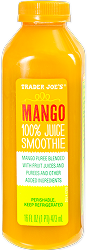

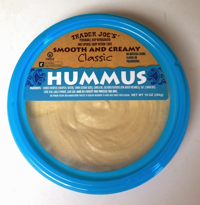


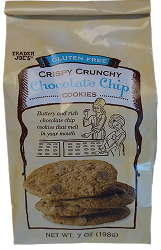

Near you
Trader Joe's is carried at Trader Joe stores. Find one within 25 miles.
At a glance
Summary
This organic soft wheat bread features a clean ingredient list with organic wheat flour, whole wheat flour, and wheat bran, which provide fiber and essential nutrients. However, the presence of high oleic safflower oil, a processed ingredient, and the use of organic cane sugar contribute to its processed nature. Despite being organic and free from artificial additives, the bread's processing level limits its score.
Key ingredients 11
Organic whole wheat flourVery Good
Organic whole wheat flour is rich in fiber, vitamins, and minerals. It retains the bran and germ, providing more nutrients than refined flour. Being organic, it is free from synthetic chemicals.
Risks
Contains gluten, which may cause issues for individuals with celiac disease or gluten sensitivity.
Benefits
High in dietary fiber, supporting digestive health and providing essential nutrients like B vitamins and iron.
Organic wheat branGood
Organic wheat bran is high in dietary fiber and essential nutrients. It aids in digestion and helps maintain bowel health. Being organic, it is free from synthetic chemicals.
Risks
May cause digestive discomfort if consumed in large quantities due to high fiber content.
Benefits
Rich in fiber, supporting digestive health and providing essential nutrients like magnesium and phosphorus.
Sea saltGood
Sea salt is a natural source of sodium and trace minerals. It is less processed than table salt, retaining beneficial minerals. It enhances flavor and aids in preserving food.
Risks
Excessive sodium intake can lead to high blood pressure and cardiovascular issues.
Benefits
Provides essential sodium and trace minerals, supporting electrolyte balance and flavor enhancement.
Organic potato flourGood
Organic potato flour is a gluten-free thickening agent that adds moisture and texture. It is rich in vitamins and minerals, enhancing nutritional value. Being organic, it is free from synthetic chemicals.
Benefits
Provides moisture and texture, and is a source of vitamins and minerals like potassium and vitamin C.
Organic ground sesameGood
Organic ground sesame is a nutrient-rich ingredient providing healthy fats and protein. It is a good source of calcium and other minerals. Being organic, it is free from synthetic chemicals.
Risks
May cause allergic reactions in individuals with sesame allergies.
Benefits
Rich in healthy fats, protein, and minerals like calcium, supporting bone health and providing nutritional value.
Organic wheat flourNeutral
Standard formulation ingredient — neither beneficial nor harmful at typical use.
Risks
Contains gluten, which may cause issues for individuals with celiac disease or gluten sensitivity.
Benefits
Provides essential carbohydrates and dietary fiber, supporting energy levels and digestive health.
WaterNeutral
Water is a basic ingredient used to hydrate and bind the dough. It is essential for the baking process but does not contribute nutritional value. It acts as a solvent for other ingredients.
See more about Water →YeastNeutral
Yeast is a microorganism used to ferment and leaven bread. It contributes to the texture and flavor of the bread. It is a natural ingredient with no significant health concerns.
Benefits
Contributes to the leavening process, improving bread texture and flavor.
Organic cultured wheat starchNeutral
Organic cultured wheat starch is used as a natural preservative. It helps extend shelf life without synthetic additives. Being organic, it is free from synthetic chemicals.
Benefits
Acts as a natural preservative, extending shelf life without synthetic additives.
Organic cane sugarBad
Processed additive flagged under Scout's ingredient doctrine.
Risks
Excessive consumption can lead to health issues such as obesity and dental cavities.
Benefits
Provides a natural source of sweetness with minimal processing compared to refined sugars.
Organic high oleic safflower oilVery Bad
Heavily flagged ingredient class under Scout's doctrine.
Benefits
Provides monounsaturated fats that support heart health and have a neutral flavor profile.
Processing
Processed Foods
Get the full breakdown in the Scout appTake Scout shopping
Scan any product to see lab results, healthy alternatives, and your personalized analysis.
Download on theApp Store GET IT ONGoogle Play