







Near you
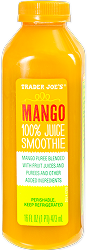
Trader Joe's is carried at Trader Joe stores. Find one within 25 miles.
At a glance
Summary
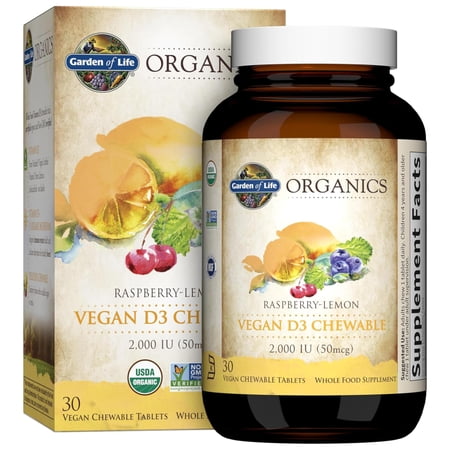
This chewable supplement contains beneficial vitamins such as A, C, D, and E, which support various health functions including immune support and antioxidant protection. However, the presence of cane sugar and natural flavors, which can be highly processed and lack transparency, slightly detracts from its overall formulation quality. The product is moderately processed but maintains a balance of beneficial nutrients with some minor concerns regarding additives.
Key ingredients 11
Vitamin AGood
Vitamin A, as beta-carotene, is an essential nutrient important for vision, immune function, and skin health. It is a precursor to retinol and is converted in the body as needed. Beta-carotene is a safe source of vitamin A, reducing the risk of toxicity.
Risks
Excessive intake of vitamin A can lead to toxicity, but beta-carotene is generally safe.
Benefits
Supports vision, immune function, and skin health.
Vitamin CGood
Vitamin C, as ascorbic acid, is a powerful antioxidant that supports immune function and skin health. It is essential for collagen synthesis and helps protect cells from oxidative damage. Regular intake is necessary as it is water-soluble and not stored in the body.
Risks
High doses may cause gastrointestinal discomfort.
Benefits
Supports immune function and acts as a powerful antioxidant.
Vitamin DGood
Vitamin D, as cholecalciferol, is crucial for calcium absorption and bone health. It supports immune function and has been linked to mood regulation. Adequate levels are essential for overall health, especially in regions with limited sunlight exposure.
Risks
Excessive intake can lead to toxicity, but it is rare.
Benefits
Supports bone health and immune function.
Vitamin EGood
Vitamin E, as d-alpha tocopheryl succinate, is an antioxidant that protects cells from oxidative stress. It supports skin health and immune function. It is fat-soluble and plays a role in anti-inflammatory processes.
Risks
High doses may interfere with blood clotting.
Benefits
Protects cells from oxidative stress and supports skin health.
Acacia GumNeutral
Acacia gum is a natural gum derived from the sap of the acacia tree and is used as a stabilizer and thickener. It is generally considered safe and has minimal impact on health. It may aid in digestion and provide a source of dietary fiber.
Benefits
May aid in digestion and provide a source of dietary fiber.
Stearic AcidNeutral
Stearic acid is a saturated fatty acid used as a binder and lubricant in supplements. It is derived from vegetable sources and is generally considered safe. It does not significantly impact cholesterol levels.
See more about Stearic Acid →Vegetable JuiceNeutral
Vegetable juice is used as a natural coloring agent in foods. It provides a natural alternative to artificial dyes but offers minimal nutritional benefits in small quantities. It is generally considered safe and non-toxic.
Benefits
Provides a natural alternative to artificial dyes.
Citric AcidNeutral
Citric acid is a natural acid found in citrus fruits and used as a preservative and flavor enhancer. It is generally recognized as safe and is commonly used in food processing. It can enhance flavor and preserve freshness.
Risks
May cause dental erosion if consumed in large quantities.
Benefits
Enhances flavor and preserves freshness in food products.
Cane SugarBad
Cane sugar is a refined sweetener that can contribute to increased blood sugar levels and dental issues. It is often used in processed foods for its sweetness but lacks nutritional value. Excessive consumption can lead to health issues such as obesity and diabetes.
Risks
High intake of cane sugar can lead to obesity, insulin resistance, and dental cavities.
Natural FlavorsBad
Natural flavors are a catch-all term for flavoring agents derived from natural sources but can be highly processed. They lack transparency and can contain numerous additives. The lack of disclosure makes it difficult to assess their health impact.
Risks
Potential for allergic reactions and lack of transparency in ingredient sourcing.
MaltodextrinBad
Processed additive flagged under Scout's ingredient doctrine.
Risks
May cause spikes in blood sugar levels when consumed in large amounts.
Processing
Processed Foods
Get the full breakdown in the Scout appTake Scout shopping
Scan any product to see lab results, healthy alternatives, and your personalized analysis.
Download on theApp Store GET IT ONGoogle Play