

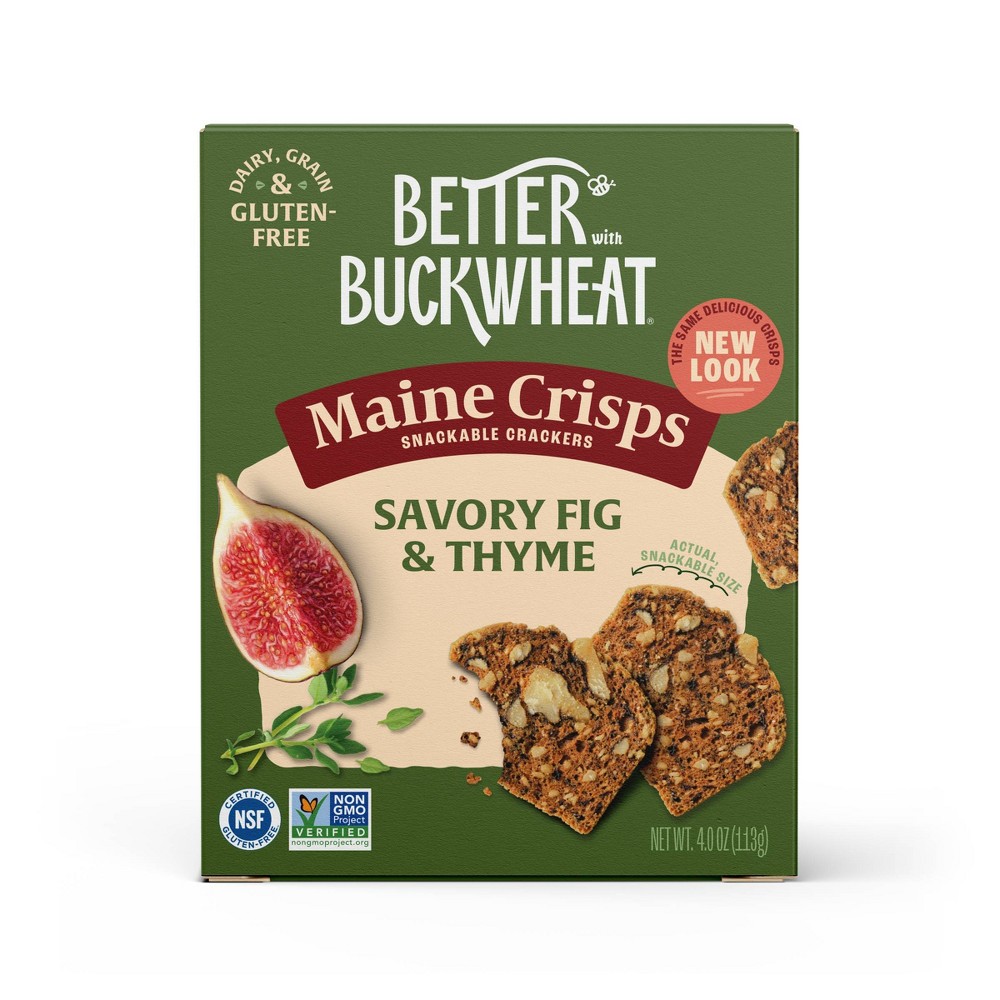


At a glance
Summary
The Fig & Thyme Crisp Crackers contain beneficial ingredients such as flax seeds, pumpkin seeds, and millet, which provide healthy fats, fiber, and essential nutrients. However, the use of enriched flour and the presence of added sugars contribute to a higher level of processing, which limits the overall healthiness of the product. Despite having some nutritious components, the processing level and refined ingredients prevent it from scoring higher.
Key ingredients 10
Flax seedsVery Good
Flax seeds are a rich source of omega-3 fatty acids, which support heart health. They also contain lignans and fiber, which may reduce cancer risk and improve digestive health. The seeds are minimally processed, retaining their nutritional benefits.
Benefits
Rich in omega-3 fatty acids, lignans, and fiber, supporting heart and digestive health.
Pumpkin seedsVery Good
Pumpkin seeds are high in magnesium, zinc, and healthy fats, promoting heart and bone health. They are a good source of antioxidants, which help reduce inflammation. The seeds are consumed in their whole form, preserving their nutritional integrity.
Benefits
High in magnesium, zinc, and antioxidants, supporting heart and bone health.
ButtermilkGood
Buttermilk is a fermented dairy product that provides probiotics beneficial for gut health. It is a source of calcium and protein, contributing to bone health. The fermentation process enhances digestibility and nutrient absorption.
Risks
May cause allergic reactions in individuals with lactose intolerance or dairy allergies.
Benefits
Contains probiotics that support digestive health and is a good source of calcium and protein.
MilletGood
Millet is a whole grain that provides fiber, protein, and essential nutrients like magnesium and phosphorus. It is gluten-free and supports digestive health. The grain is minimally processed, retaining its nutritional benefits.
Benefits
Provides fiber, protein, and essential nutrients, supporting digestive health.
Sea saltGood
Sea salt is a natural source of sodium and trace minerals. It is less processed than table salt, retaining more of its mineral content. The use of sea salt can enhance flavor without excessive processing.
Risks
Excessive sodium intake can lead to hypertension and cardiovascular issues.
Benefits
Provides trace minerals and enhances flavor with less processing than table salt.
ThymeGood
Thyme is an herb rich in antioxidants and has antimicrobial properties. It can support immune health and improve flavor without adding calories. The herb is used in its natural form, preserving its beneficial compounds.
Benefits
Rich in antioxidants and antimicrobial properties, supporting immune health.
Baking sodaNeutral
Baking soda is a leavening agent used to help dough rise. It is chemically stable and safe for consumption in small amounts. It does not provide significant nutritional benefits.
Risks
Excessive consumption may lead to alkalosis or sodium overload.
E500Neutral
E500, also known as sodium bicarbonate, is a common leavening agent. It is used to help dough rise and is generally recognized as safe. It does not provide significant nutritional benefits.
Risks
Excessive consumption may lead to alkalosis or sodium overload.
E500iiNeutral
E500ii is a form of sodium bicarbonate used as a leavening agent. It is chemically stable and safe for consumption in small amounts. It does not provide significant nutritional benefits.
Risks
Excessive consumption may lead to alkalosis or sodium overload.
Unbleached enriched flourBad
Processed additive flagged under Scout's ingredient doctrine.
Risks
May contribute to blood sugar spikes due to its refined nature and lack of fiber.
Benefits
Provides essential nutrients such as iron and B vitamins due to enrichment.
Processing
Processed Foods
Get the full breakdown in the Scout appTake Scout shopping
Scan any product to see lab results, healthy alternatives, and your personalized analysis.
Download on theApp Store GET IT ONGoogle Play