

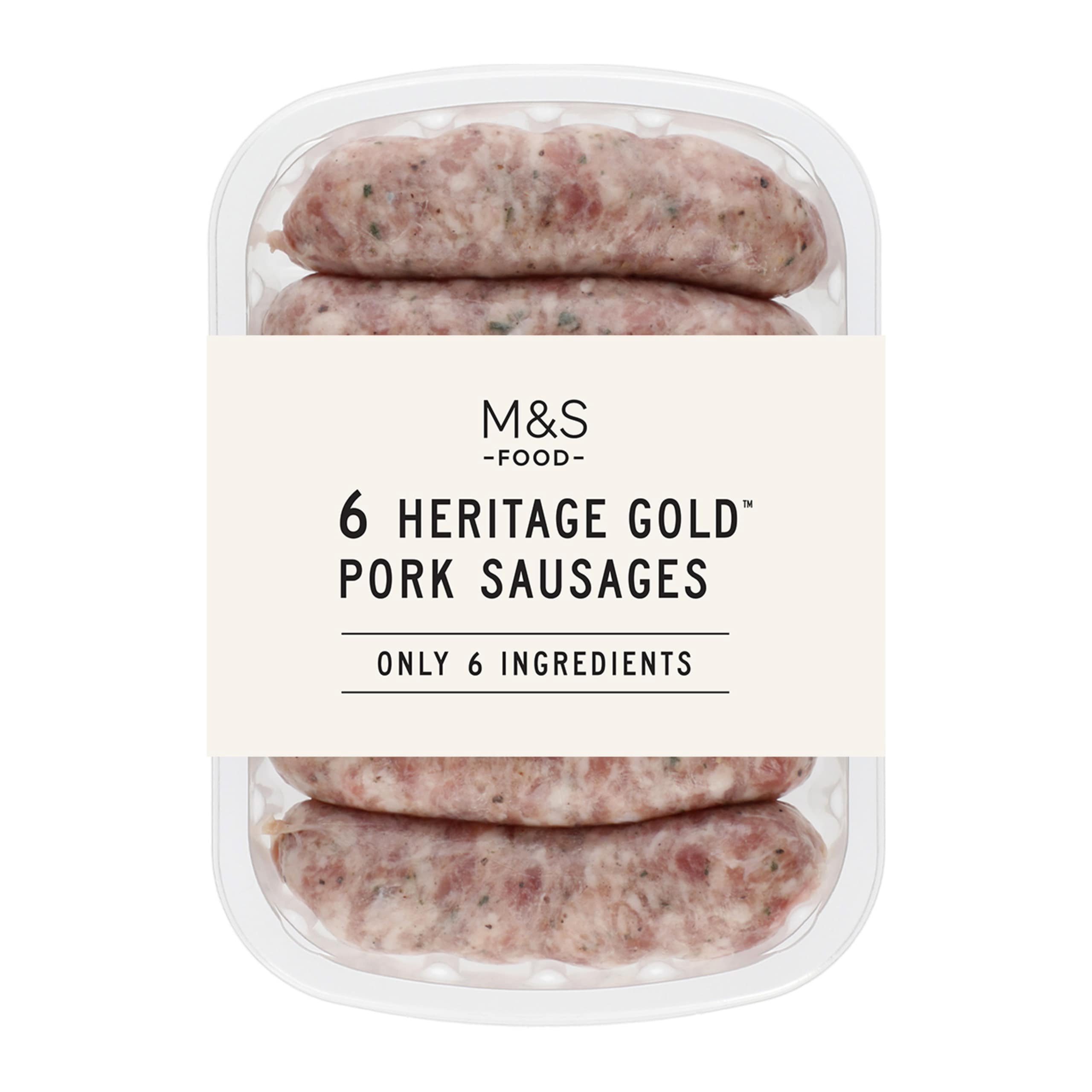

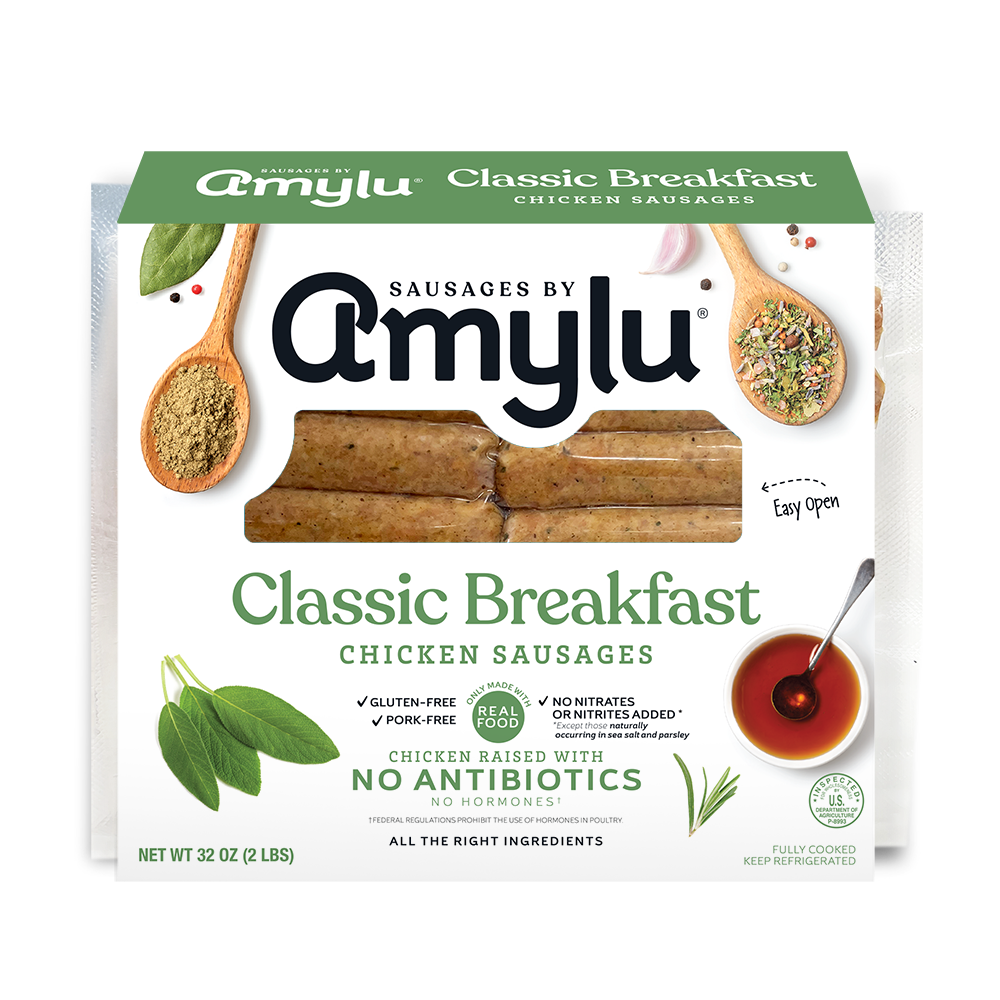
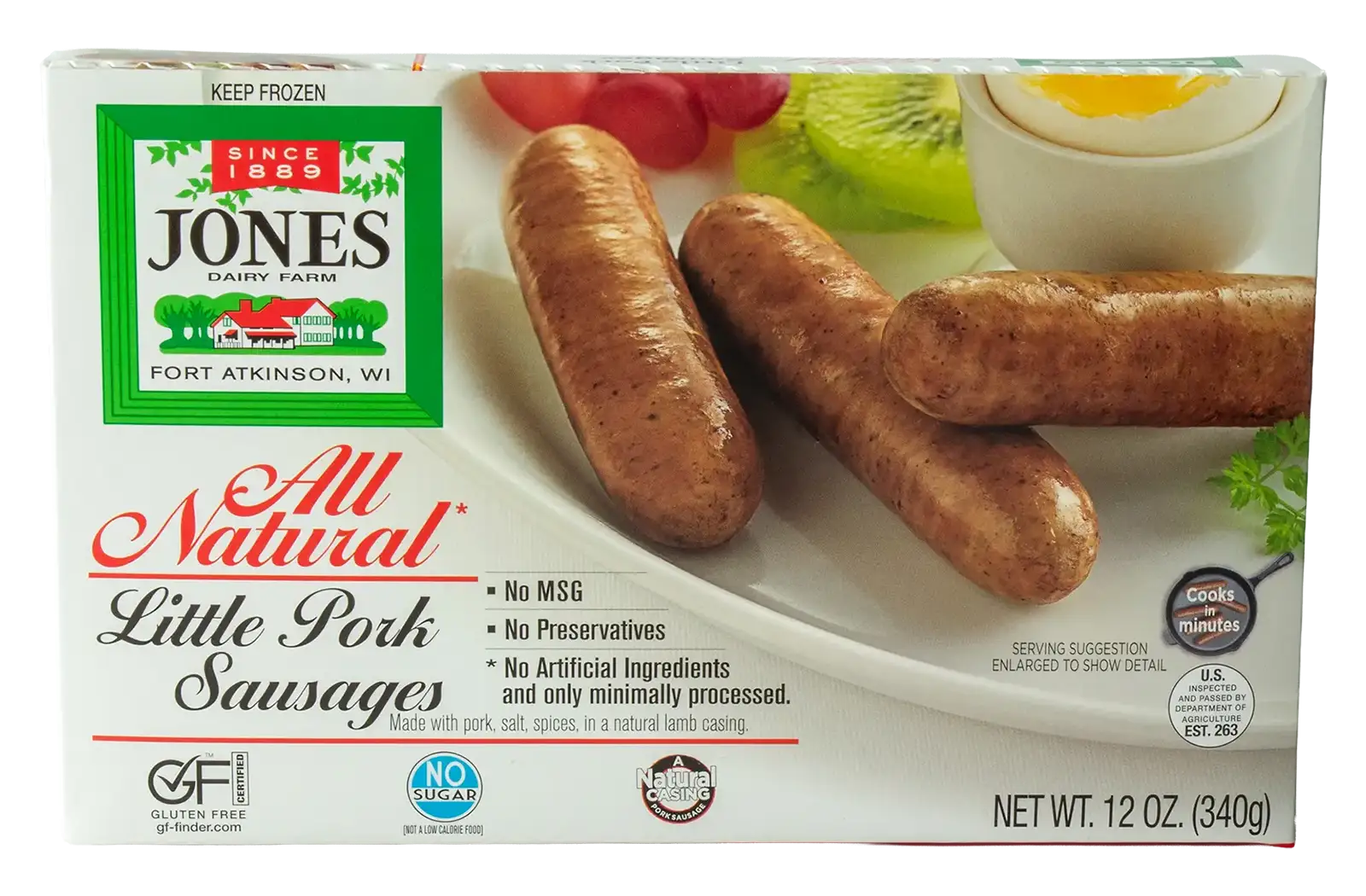
Lincolnshire sausages
Analysis updated June 2026 · How Scout scores
At a glance
Summary
The Lincolnshire sausages contain a high percentage of British pork, which is a quality protein source, and a variety of beneficial herbs like sage, onion, and thyme that enhance flavor and provide antioxidants. However, the product is ultra-processed, which limits its score potential, and includes synthetic additives such as sodium triphosphate and sodium metabisulphite, which are used for moisture retention and preservation but may pose health concerns.
Key ingredients 19
British PorkGood
British pork is a high-quality source of protein and essential nutrients. It provides a rich amino acid profile necessary for muscle maintenance and repair. The quality of pork can vary, but British standards often ensure good animal welfare.
Risks
Excessive consumption of pork can lead to high saturated fat intake, which may increase cholesterol levels.
Benefits
Rich in protein and essential vitamins such as B12, which supports energy metabolism and neurological function.
SageGood
Sage is an herb known for its antioxidant properties and potential health benefits. It contains compounds that may support cognitive health and reduce inflammation. Sage is often used in culinary applications for its aromatic qualities.
Benefits
Contains antioxidants that may help protect cells from damage and support overall health.
OnionGood
Onions are a natural source of vitamins, minerals, and antioxidants. They contain quercetin, which has anti-inflammatory properties. Onions add flavor and nutritional value to dishes.
Benefits
Rich in antioxidants and may support heart health by reducing cholesterol levels.
ParsleyGood
Parsley is a nutrient-dense herb rich in vitamins A, C, and K. It has antioxidant properties and may support bone health. Parsley is often used to enhance flavor and nutritional content in dishes.
Benefits
Provides essential vitamins and antioxidants that support immune function and overall health.
ThymeGood
Thyme is an herb with antimicrobial and antioxidant properties. It is used in cooking for its aromatic flavor and potential health benefits. Thyme may support respiratory health and immune function.
Benefits
Contains compounds that may support immune health and reduce inflammation.
White PepperGood
Beneficial ingredient — whole-food or functional value in this product class.
Benefits
Adds flavor and mild heat to dishes.
WaterNeutral
Water is used as a basic ingredient in many food products. It acts as a solvent and helps in mixing ingredients. Water itself does not provide nutritional value but is essential for hydration.
Benefits
Essential for hydration and acts as a solvent in food preparation.
Rice FlourNeutral
Rice flour is a gluten-free alternative to wheat flour used in various food products. It provides carbohydrates but lacks significant protein or fiber content. It is often used to improve texture in gluten-free recipes.
Benefits
Provides a gluten-free option for those with celiac disease or gluten sensitivity.
Tapioca StarchNeutral
Tapioca starch is a gluten-free thickening agent derived from cassava root. It is used to improve texture and consistency in food products. While it provides carbohydrates, it lacks significant nutritional value.
Benefits
Offers a gluten-free thickening option for various recipes.
Gram FlourNeutral
Gram flour, made from ground chickpeas, is a gluten-free flour alternative. It is high in protein and fiber compared to other flours. It is commonly used in Indian cuisine and gluten-free baking.
Benefits
Provides a good source of protein and fiber, beneficial for digestive health.
MarjoramNeutral
Marjoram is an herb used for its aromatic flavor in cooking. It has mild antioxidant properties but is typically used in small amounts. It adds flavor without significant nutritional impact.
Benefits
Adds flavor to dishes and contains mild antioxidants.
OreganoNeutral
Oregano is a herb known for its strong flavor and potential health benefits. It contains antioxidants and may have antimicrobial properties. It is used in small amounts in cooking.
Benefits
Contains antioxidants that may support health and add flavor to dishes.
Cracked Black PepperNeutral
Cracked black pepper is a spice used for its pungent flavor and aroma. It contains piperine, which may have antioxidant properties. It is used in small amounts in cooking.
Benefits
Adds flavor and may provide mild antioxidant benefits.
GingerNeutral
Ginger is a spice known for its potential anti-inflammatory and digestive benefits. It is used in small amounts to add flavor and aroma to dishes. Ginger contains bioactive compounds like gingerol.
Benefits
May aid digestion and reduce inflammation.
MaceNeutral
Mace is a spice derived from the outer covering of nutmeg seeds. It is used for its aromatic flavor in cooking. Mace is used in small amounts and does not provide significant nutritional value.
Benefits
Adds flavor and aroma to dishes.
Maize StarchNeutral
Maize starch is a thickening agent derived from corn. It is used to improve texture and consistency in food products. While it provides carbohydrates, it lacks significant nutritional value.
Benefits
Offers a gluten-free thickening option for various recipes.
Sodium TriphosphateBad
Sodium triphosphate is a food additive used as a stabilizer and emulsifier. It is considered safe in small amounts but can contribute to phosphate overload if consumed excessively. Overconsumption of phosphates may affect bone health.
Risks
Excessive intake of phosphates can lead to imbalances in calcium and phosphorus, potentially affecting bone health.
Sodium MetabisulphiteBad
Sodium metabisulphite is a preservative used to prevent spoilage and discoloration. It can cause allergic reactions in sensitive individuals, particularly those with asthma. Its use is regulated due to potential health concerns.
Risks
May cause allergic reactions or respiratory issues in sensitive individuals, particularly those with asthma.
Yeast ExtractBad
Concentrated glutamate source — MSG-adjacent flavor enhancer.
Benefits
Enhances flavor in savory dishes.
Processing
Ultra-Processed Foods
Get the full breakdown in the Scout appTake Scout shopping
Scan any product to see lab results, healthy alternatives, and your personalized analysis.
Download on theApp Store GET IT ONGoogle Play