


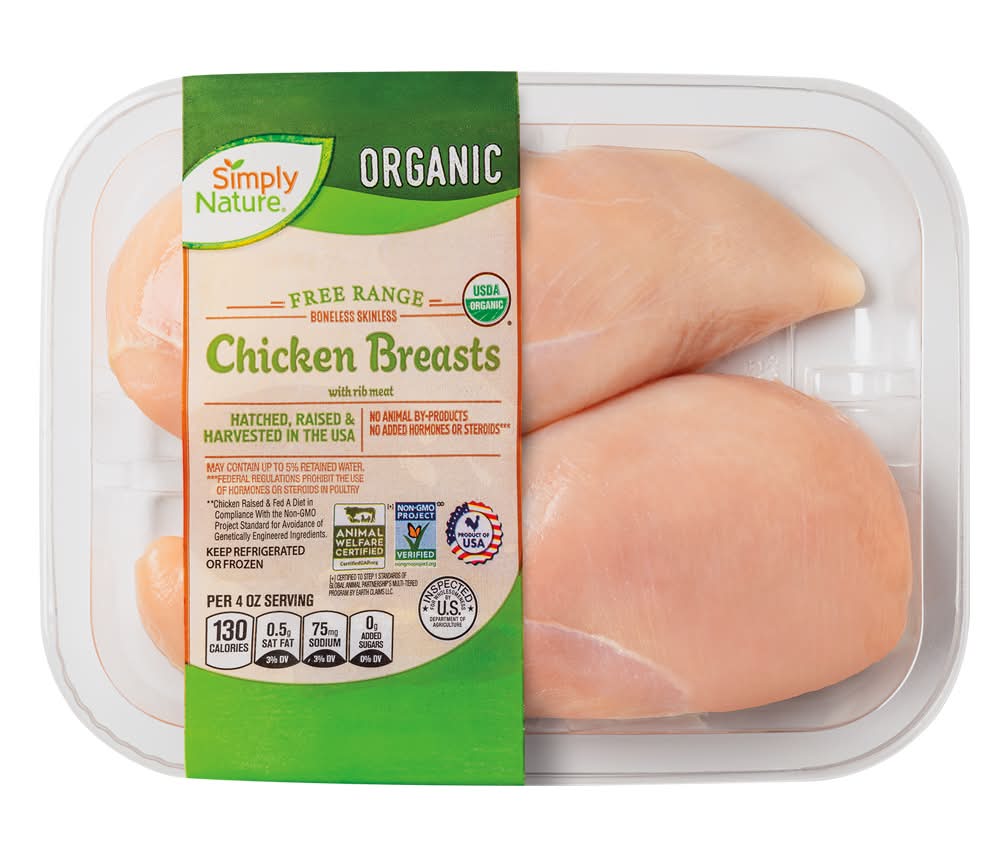
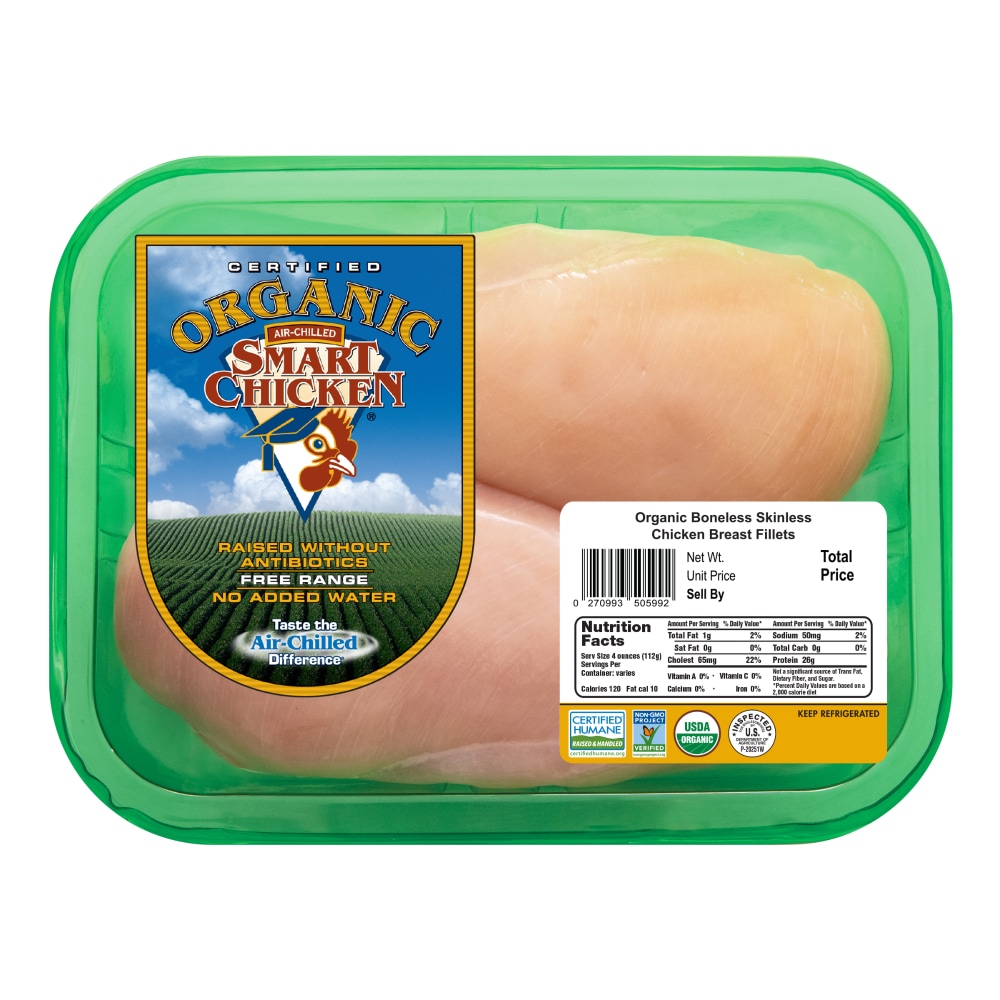

Perdue Chicken breast strips
Analysis updated August 2026 · How Scout scores
At a glance
Summary
This product contains a mix of beneficial ingredients like chicken breast, honey, and various spices, which contribute to its flavor and nutritional profile. However, the presence of soy protein concentrate, a processed ingredient, and the overall high level of processing limit its healthiness. Despite having some natural ingredients, the ultra-processed nature of the product prevents it from achieving a higher score.
Key ingredients 17
Boneless Skinless Chicken Breast With Rib MeatGood
A high-quality source of lean protein with essential amino acids. Minimally processed and provides important nutrients like B vitamins and selenium. Supports muscle growth and maintenance.
Benefits
Rich in protein which is essential for muscle repair and growth. Contains vitamins and minerals that support overall health.
HoneyGood
A natural sweetener with some antioxidant properties. Contains trace amounts of vitamins and minerals. Provides a natural source of energy.
Risks
Excessive consumption can contribute to high sugar intake and related health issues.
Benefits
Contains antioxidants and can provide a quick source of energy.
Dried GarlicGood
Adds flavor and has potential health benefits due to its antioxidant properties. Contains compounds like allicin that may support heart health. Used in small amounts to enhance flavor without significant caloric impact.
Benefits
May support cardiovascular health and has antimicrobial properties.
SpicesGood
Whole-food seasonings, antioxidant-bearing.
Benefits
May provide antioxidant benefits and enhance flavor.
Dried OnionGood
Adds flavor and contains antioxidants. Provides small amounts of vitamins and minerals. Used in small amounts to enhance flavor without significant caloric impact.
Benefits
May support immune function and has antioxidant properties.
Dried Red Bell PepperGood
Adds flavor and color with antioxidant properties. Contains vitamins like vitamin C and A. Used in small amounts to enhance flavor and nutritional profile.
Benefits
Rich in antioxidants and vitamins that support immune health.
PaprikaGood
Provides color and flavor with antioxidant properties. Contains vitamins like vitamin A and E. Used in small amounts to enhance flavor and nutritional profile.
Benefits
Rich in antioxidants and vitamins that support immune health.
Dried ParsleyGood
Adds flavor and contains antioxidants. Provides small amounts of vitamins like vitamin K and C. Used in small amounts to enhance flavor and nutritional profile.
Benefits
Rich in antioxidants and vitamins that support immune health.
WaterNeutral
Used as a processing aid and to maintain moisture in the product. It is a neutral ingredient with no direct nutritional impact. Commonly used in food processing to improve texture.
See more about Water →VinegarNeutral
Used as a preservative and flavor enhancer. It is a natural ingredient with minimal processing. Provides acidity that can enhance flavor profiles.
Benefits
May aid in digestion and has antimicrobial properties.
SaltNeutral
Commonly used for seasoning and preservation. Provides essential sodium but should be consumed in moderation. Excessive intake can lead to health issues like hypertension.
Risks
High sodium intake can lead to increased blood pressure and cardiovascular issues.
Benefits
Essential for maintaining fluid balance and nerve function.
Citric AcidNeutral
Used as a preservative and flavor enhancer. It is a natural acid found in citrus fruits. Commonly used in food processing to maintain freshness and enhance flavor.
Benefits
May enhance flavor and preserve freshness.
Spice ExtractsNeutral
Used to enhance flavor without adding calories. Extracts can have various health benefits depending on the type. Provides concentrated flavor and potential antioxidant benefits.
Benefits
May provide antioxidant benefits and enhance flavor.
Soy Protein ConcentrateBad
A processed form of soy used to increase protein content. It lacks the complete amino acid profile of animal proteins. May contain anti-nutrients that affect mineral absorption.
Risks
May cause allergic reactions and contains phytoestrogens that can affect hormone balance.
Benefits
Provides a plant-based protein source for those avoiding animal products.
DextroseBad
Refined added sugar.
Risks
Excessive consumption can lead to increased blood sugar levels and related health issues.
Benefits
Provides a quick source of energy.
SugarBad
Refined added sugar.
Risks
High intake can contribute to obesity, diabetes, and other metabolic disorders.
Benefits
Provides a quick source of energy.
MaltodextrinBad
Processed additive flagged under Scout's ingredient doctrine.
Risks
May cause spikes in blood sugar levels and is often highly processed.
Benefits
Provides a quick source of energy and improves texture in food products.
Processing
Ultra-Processed Foods
Get the full breakdown in the Scout appTake Scout shopping
Scan any product to see lab results, healthy alternatives, and your personalized analysis.
Download on theApp Store GET IT ONGoogle PlayAmazon pricing & content
Amazon price as of . Product prices and availability are accurate as of the date/time indicated and are subject to change. Any price and availability information displayed on Amazon.com at the time of purchase will apply to the purchase of this product.
CERTAIN CONTENT THAT APPEARS ON THIS SITE COMES FROM AMAZON. THIS CONTENT IS PROVIDED “AS IS” AND IS SUBJECT TO CHANGE OR REMOVAL AT ANY TIME.