




At a glance
Summary
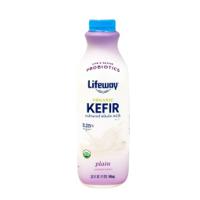
This kefir product contains beneficial ingredients such as organic lowfat milk, live cultures, and essential vitamins, which support bone and gut health. However, the presence of organic cane sugar contributes to added sugars, which can impact metabolic health. The product is processed, which limits its potential health score despite its organic certification and natural coloring agents.
Key ingredients 9
Pasteurized organic lowfat milkGood
This is a high-quality source of protein and calcium, essential for bone health. Being organic, it is free from synthetic pesticides and hormones. Pasteurization ensures safety by eliminating harmful bacteria.
Benefits
Provides essential nutrients like calcium and protein, supporting bone and muscle health.
Organic nonfat milkGood
Organic nonfat milk is a good source of protein and calcium without the added fat. Being organic, it avoids synthetic additives and hormones. It supports bone health and muscle maintenance.
Benefits
Provides essential nutrients like calcium and protein, supporting bone and muscle health.
Organic vegetable juice (for color)Good
Organic vegetable juice is used as a natural coloring agent, avoiding synthetic dyes. It is derived from vegetables, ensuring a natural source of color. The organic certification ensures no synthetic pesticides are used.
Benefits
Provides a natural alternative to artificial colorings, reducing exposure to synthetic additives.
Vitamin D3Good
Vitamin D3 is crucial for calcium absorption and bone health. It is often added to dairy products to enhance nutritional value. It also supports immune function and overall health.
Benefits
Enhances calcium absorption and supports bone health.
CulturesGood
Live cultures are beneficial probiotics that support gut health. They aid in digestion and can enhance the immune system. The presence of live cultures is a hallmark of fermented dairy products like kefir.
Benefits
Supports gut health and enhances digestion through beneficial probiotics.
Organic mixed berry natural flavor with other natural flavorsNeutral
Natural flavors are derived from natural sources but are processed to enhance flavor. The organic certification ensures no synthetic additives are used. However, they offer no nutritional benefits.
Risks
Potential for allergic reactions in sensitive individuals.
PectinNeutral
Pectin is a natural thickening agent derived from fruits. It is commonly used to improve texture in food products. It is generally recognized as safe and has minimal health impacts.
Benefits
May aid in digestion and improve gut health due to its fiber content.
Vitamin A palmitateNeutral
Standard formulation ingredient — neither beneficial nor harmful at typical use.
Risks
Excessive intake can lead to hypervitaminosis A, but this is rare with normal consumption.
Benefits
Supports vision, immune function, and skin health.
Organic cane sugarBad
Organic cane sugar is a refined sugar that can contribute to increased blood sugar levels. Despite being organic, it still poses the same health risks as regular sugar. Excessive consumption can lead to metabolic issues.
Risks
High intake can lead to obesity, insulin resistance, and other metabolic disorders.
Processing
Processed Foods
Get the full breakdown in the Scout appTake Scout shopping
Scan any product to see lab results, healthy alternatives, and your personalized analysis.
Download on theApp Store GET IT ONGoogle Play