


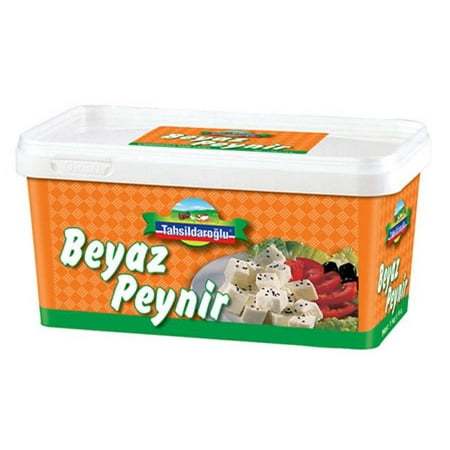


At a glance
Summary
This feta cheese is a processed product with a few additives, including powdered cellulose to prevent caking and natamycin as a mold inhibitor. While feta cheese itself is a nutritious dairy product, the presence of these additives and its processing level limit its score. The use of preservatives like natamycin, although natural, can be controversial among consumers seeking cleaner labels.
Key ingredients 3
Feta cheeseGood
Feta cheese is a traditional dairy product made from pasteurized cow's milk, providing a good source of protein and calcium. The fermentation process enhances its digestibility and probiotic content. It is a minimally processed cheese with beneficial nutrients.
Risks
High sodium content may pose a risk for individuals with hypertension or those on a low-sodium diet.
Benefits
Rich in calcium and protein, supporting bone health and muscle maintenance. Contains probiotics that may benefit gut health.
Powdered celluloseNeutral
Powdered cellulose is used as an anti-caking agent to prevent clumping in cheese products. It is derived from plant fibers and is considered safe for consumption. It does not contribute significant nutritional value.
See more about Powdered cellulose →NatamycinBad
Natamycin is a mold inhibitor used to extend the shelf life of cheese products. It is a natural antifungal agent but its use in food can be controversial. Some consumers prefer to avoid preservatives in their food.
Risks
Potential for allergic reactions in sensitive individuals and concerns about long-term consumption of preservatives.
Benefits
Helps prevent mold growth, extending the shelf life of cheese products.
Processing
Processed Foods
Get the full breakdown in the Scout appTake Scout shopping
Scan any product to see lab results, healthy alternatives, and your personalized analysis.
Download on theApp Store GET IT ONGoogle Play