
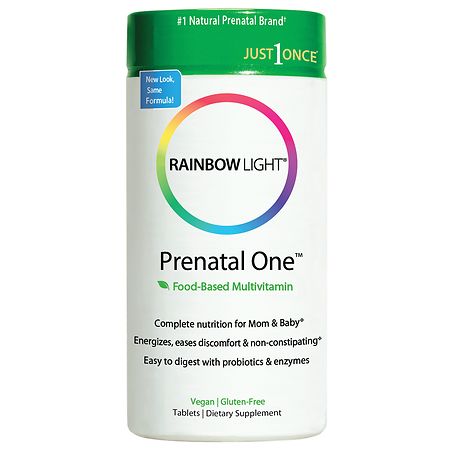

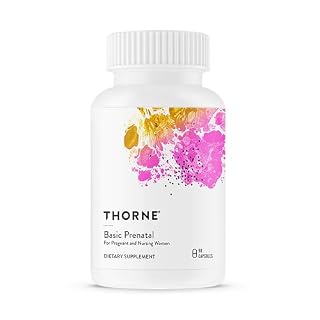
Prenatal One High Potency Daily Multivitamin with Folate Ginger and Probiotics | 150 Vegan Tablets | by Rainbow Light
Analysis updated August 2026 · How Scout scores
At a glance
Summary
This prenatal multivitamin contains a comprehensive blend of essential vitamins and minerals, including folate and probiotics, which are beneficial for maternal and fetal health. The formulation avoids harmful additives such as artificial dyes and sweeteners, and uses plant-based cellulose for coating, which is generally considered safe. However, the presence of cellulose gum and magnesium stearate as additives slightly impacts the overall score, though they are common in supplements and not major concerns.
Key ingredients 28
Vitamin AVery Good
Vitamin A is essential for vision, immune function, and skin health. It is a high-quality active ingredient in supplements, often derived from beta-carotene or retinyl acetate. Its inclusion in prenatal vitamins supports fetal development and maternal health.
Risks
Excessive intake can lead to toxicity, particularly in the form of retinol.
Benefits
Supports vision, immune function, and skin health, and is crucial for fetal development.
Vitamin CVery Good
Vitamin C is a powerful antioxidant that supports the immune system and skin health. It is commonly included in supplements to enhance iron absorption and protect cells from oxidative stress. Its water-soluble nature ensures it is generally safe with minimal risk of toxicity.
Risks
High doses may cause gastrointestinal discomfort.
Benefits
Enhances immune function, supports skin health, and improves iron absorption.
Vitamin DVery Good
Vitamin D is crucial for calcium absorption and bone health. It is often included in supplements to support skeletal development and immune function. Its role in prenatal vitamins is vital for fetal bone growth and maternal health.
Risks
Excessive intake can lead to hypercalcemia and associated health issues.
Benefits
Supports bone health, immune function, and is essential for fetal development.
Vitamin EVery Good
Vitamin E acts as an antioxidant, protecting cells from damage. It is a beneficial component in supplements for its role in immune function and skin health. Its inclusion in prenatal vitamins supports overall maternal and fetal health.
Risks
High doses may interfere with blood clotting.
Benefits
Protects cells from oxidative damage and supports immune and skin health.
Vitamin KVery Good
Vitamin K is essential for blood clotting and bone health. It is a critical component in supplements to ensure proper coagulation and support skeletal development. Its presence in prenatal vitamins aids in fetal bone formation and maternal health.
Benefits
Supports blood clotting and bone health, crucial for fetal development.
ThiaminVery Good
Thiamin (Vitamin B-1) is vital for energy metabolism and nerve function. It is a key ingredient in supplements to support carbohydrate metabolism and neurological health. Its inclusion in prenatal vitamins aids in energy production and fetal development.
Benefits
Supports energy metabolism and nerve function, important for fetal development.
Vitamin B-6Very Good
Vitamin B-6 is crucial for protein metabolism and cognitive development. It is a beneficial component in supplements for its role in neurotransmitter synthesis and immune function. Its presence in prenatal vitamins supports fetal brain development and maternal health.
Risks
Excessive intake can lead to nerve damage.
Benefits
Supports protein metabolism and cognitive development, crucial for fetal growth.
FolateVery Good
Folate is essential for DNA synthesis and cell division. It is a critical ingredient in prenatal vitamins to prevent neural tube defects and support fetal development. Its inclusion ensures proper maternal and fetal health during pregnancy.
Benefits
Prevents neural tube defects and supports DNA synthesis and cell division.
Vitamin B-12Very Good
Vitamin B-12 is vital for red blood cell formation and neurological function. It is a key ingredient in supplements to prevent anemia and support nerve health. Its presence in prenatal vitamins is crucial for fetal brain development and maternal health.
Benefits
Supports red blood cell formation and neurological function, crucial for fetal development.
Pantothenic AcidVery Good
Pantothenic Acid is essential for synthesizing coenzyme A, crucial for fatty acid metabolism. It is a valuable ingredient in supplements for its role in energy production and hormone synthesis. Its presence in prenatal vitamins supports maternal energy and hormonal balance.
Benefits
Supports energy production and hormone synthesis, important for maternal health.
CholineVery Good
Choline is crucial for brain development and liver function. It is a key ingredient in prenatal vitamins to support fetal brain development and prevent neural tube defects. Its inclusion ensures proper maternal and fetal health during pregnancy.
Benefits
Supports brain development and liver function, crucial for fetal growth.
CalciumVery Good
Calcium is essential for bone health and muscle function. It is a critical component in supplements to support skeletal development and prevent osteoporosis. Its presence in prenatal vitamins is vital for fetal bone growth and maternal health.
Risks
Excessive intake can lead to kidney stones or impaired absorption of other minerals.
Benefits
Supports bone health and muscle function, crucial for fetal development.
IronVery Good
Iron is vital for oxygen transport and energy production. It is a key ingredient in prenatal vitamins to prevent anemia and support fetal growth. Its inclusion ensures proper maternal and fetal health during pregnancy.
Risks
Excessive intake can cause gastrointestinal issues or toxicity.
Benefits
Prevents anemia and supports oxygen transport and energy production.
IodineVery Good
Iodine is crucial for thyroid function and cognitive development. It is a beneficial component in prenatal vitamins to support fetal brain development and prevent thyroid disorders. Its inclusion ensures proper maternal and fetal health during pregnancy.
Risks
Excessive intake can lead to thyroid dysfunction.
Benefits
Supports thyroid function and cognitive development, crucial for fetal growth.
SeleniumVery Good
Selenium is crucial for antioxidant protection and thyroid function. It is a beneficial component in prenatal vitamins to support fetal development and prevent oxidative stress. Its inclusion ensures proper maternal and fetal health during pregnancy.
Risks
Excessive intake can lead to selenosis, causing hair loss and nail brittleness.
Benefits
Supports antioxidant protection and thyroid function, crucial for fetal growth.
CopperVery Good
Copper is essential for iron metabolism and neurological function. It is a valuable ingredient in prenatal vitamins to support fetal brain development and prevent anemia. Its inclusion ensures proper maternal and fetal health during pregnancy.
Risks
Excessive intake can lead to toxicity, causing liver damage.
Benefits
Supports iron metabolism and neurological function, crucial for fetal development.
ManganeseVery Good
Manganese is important for bone formation and enzyme function. It is a key ingredient in prenatal vitamins to support fetal skeletal development and metabolism. Its inclusion ensures proper maternal and fetal health during pregnancy.
Risks
Excessive intake can lead to neurological issues.
Benefits
Supports bone formation and enzyme function, crucial for fetal development.
MolybdenumVery Good
Molybdenum is essential for enzyme function and detoxification processes. It is a beneficial component in prenatal vitamins to support fetal development and prevent metabolic disorders. Its inclusion ensures proper maternal and fetal health during pregnancy.
Benefits
Supports enzyme function and detoxification, crucial for fetal growth.
RiboflavinGood
Riboflavin (Vitamin B-2) is essential for energy production and cellular function. It is a beneficial component in supplements for its role in metabolism and antioxidant protection. Its presence in prenatal vitamins supports maternal energy levels and fetal growth.
Benefits
Supports energy production and cellular function, crucial for fetal development.
NiacinGood
Niacin (as Niacinamide) is important for energy metabolism and skin health. It is a valuable ingredient in supplements for its role in converting food into energy and maintaining healthy skin. Its inclusion in prenatal vitamins supports maternal energy and skin health.
Risks
High doses may cause flushing or liver damage.
Benefits
Supports energy metabolism and skin health, important for maternal well-being.
BiotinGood
Biotin is important for carbohydrate, fat, and protein metabolism. It is a beneficial component in supplements for its role in energy production and skin health. Its inclusion in prenatal vitamins supports maternal energy levels and skin health.
Benefits
Supports metabolism and skin health, important for maternal well-being.
MagnesiumGood
Magnesium is essential for muscle and nerve function, as well as bone health. It is a valuable ingredient in supplements for its role in energy production and enzyme function. Its presence in prenatal vitamins supports maternal muscle function and fetal development.
Risks
Excessive intake can cause diarrhea or interfere with calcium absorption.
Benefits
Supports muscle and nerve function, and bone health, crucial for fetal development.
ZincGood
Zinc is vital for immune function and wound healing. It is a key ingredient in prenatal vitamins to support fetal growth and prevent infections. Its inclusion ensures proper maternal and fetal health during pregnancy.
Risks
Excessive intake can interfere with copper absorption.
Benefits
Supports immune function and wound healing, crucial for fetal development.
Gentle Prenatal BlendGood
The Gentle Prenatal Blend includes ginger, peppermint, organic chlorella, and probiotics, which support digestion and overall wellness. Ginger and peppermint aid in reducing nausea, while chlorella provides detoxification benefits. Probiotics support gut health, making this blend beneficial for maternal comfort and health.
Benefits
Supports digestion, reduces nausea, and enhances gut health.
CelluloseNeutral
Cellulose is a plant-derived fiber used as a filler or binder in supplements. It is considered neutral as it does not provide nutritional benefits but aids in tablet formation. Its inclusion is common in supplements for structural purposes.
See more about Cellulose →Cellulose GumNeutral
Cellulose gum is a thickening agent used in supplements to improve texture and stability. It is considered neutral as it does not provide nutritional benefits but aids in product consistency. Its inclusion is common in supplements for structural purposes.
See more about Cellulose Gum →Vegetable Magnesium StearateNeutral
Vegetable magnesium stearate is used as a flow agent in supplements to prevent ingredients from sticking during production. It is considered neutral as it does not provide nutritional benefits but aids in manufacturing. Its inclusion is common in supplements for production efficiency.
See more about Vegetable Magnesium Stearate →Cellulose CoatingNeutral
Cellulose coating is used in supplements to provide a protective layer and improve tablet stability. It is considered neutral as it does not provide nutritional benefits but aids in product integrity. Its inclusion is common in supplements for structural purposes.
See more about Cellulose Coating →Processing
Processed Foods
Get the full breakdown in the Scout appTake Scout shopping
Scan any product to see lab results, healthy alternatives, and your personalized analysis.
Download on theApp Store GET IT ONGoogle Play