
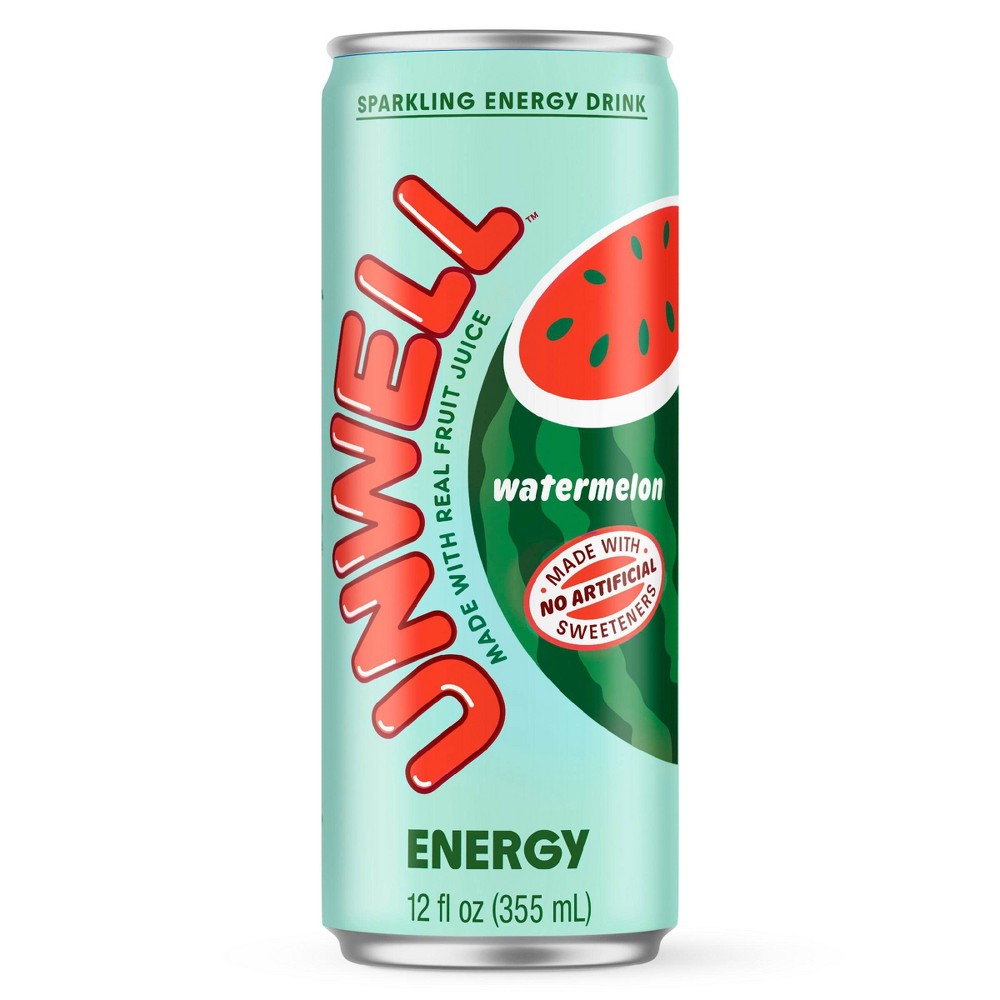
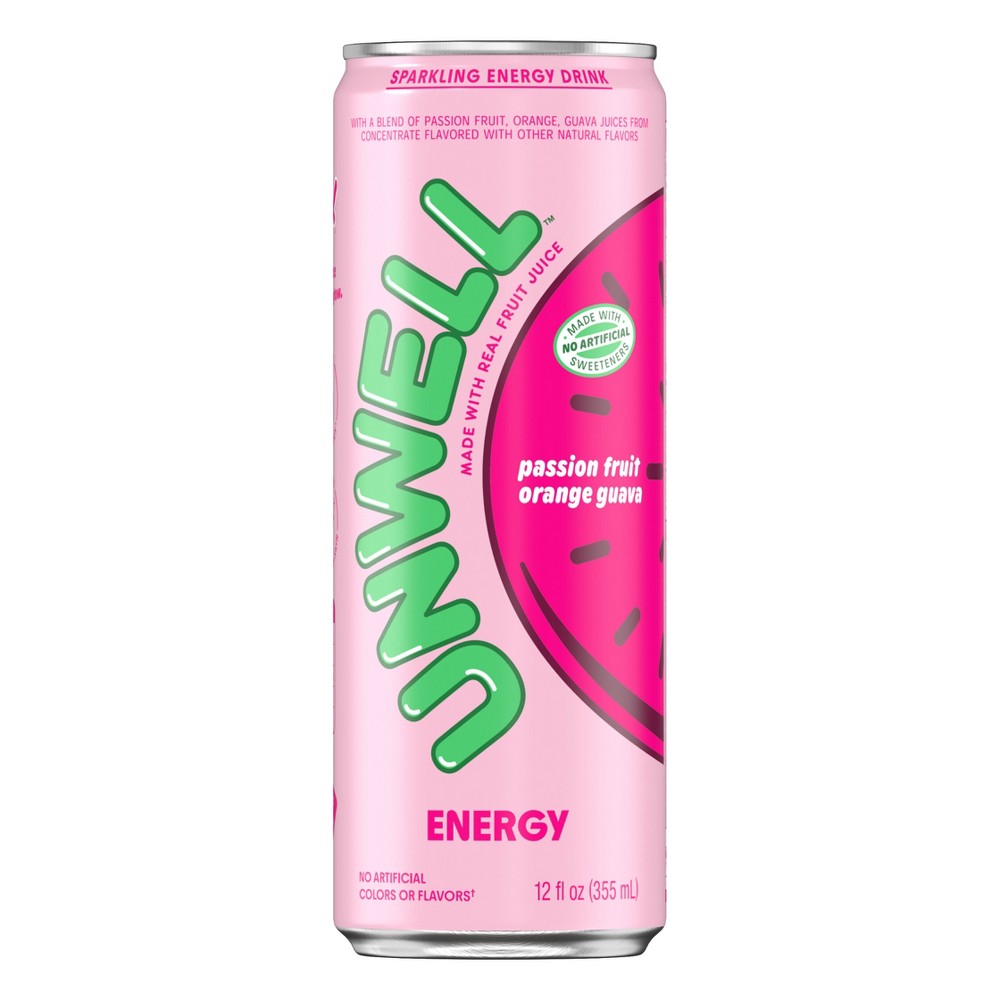


Unwell Energy Watermelon Sparkling Energy Drink with Real Fruit Juice - 12 fl oz
Analysis updated August 2026 · How Scout scores
At a glance
Summary
This energy drink contains a moderate amount of added sugar and uses natural flavors, which are common but can lack transparency. However, it includes beneficial ingredients such as green coffee extract for caffeine and a range of B vitamins, which enhance its nutritional profile. The use of real fruit juice and absence of artificial sweeteners or dyes contribute positively to its formulation quality.
Key ingredients 18
Watermelon JuiceGood
Watermelon juice is a natural source of hydration and contains vitamins such as vitamin C and antioxidants. It is derived from watermelon concentrate, which retains most of the fruit's beneficial nutrients. The natural sugars present are less concerning than added sugars.
Risks
Excessive consumption may contribute to sugar intake, but it is generally low in calories.
Benefits
Rich in antioxidants and vitamins, supporting hydration and overall health.
Green Coffee ExtractGood
Green coffee extract is a source of caffeine and antioxidants, which can enhance alertness and provide health benefits. It is derived from unroasted coffee beans, preserving beneficial compounds. It is often used for its stimulant effects and potential weight management benefits.
Risks
Excessive caffeine intake can lead to jitteriness and insomnia.
Benefits
Provides caffeine and antioxidants, supporting energy and metabolism.
NiacinamideGood
Niacinamide, or vitamin B3, is essential for energy metabolism and skin health. It is added to beverages to enhance nutritional value. It is water-soluble and generally safe in recommended amounts.
Risks
High doses may cause skin flushing and liver issues.
Benefits
Supports energy metabolism and skin health.
Pyridoxine HydrochlorideGood
Pyridoxine hydrochloride, or vitamin B6, is crucial for protein metabolism and cognitive development. It is added to enhance the nutritional profile of beverages. It is water-soluble and generally safe in recommended amounts.
Risks
Excessive intake may lead to nerve damage.
Benefits
Supports protein metabolism and cognitive health.
RiboflavinGood
Riboflavin, or vitamin B2, is important for energy production and cellular function. It is often added to foods and beverages to improve nutritional content. It is water-soluble and generally safe in recommended amounts.
Benefits
Supports energy production and cellular health.
Thiamin MononitrateGood
Thiamin mononitrate, or vitamin B1, is essential for carbohydrate metabolism and nerve function. It is added to enhance the nutritional value of beverages. It is water-soluble and generally safe in recommended amounts.
Benefits
Supports carbohydrate metabolism and nerve health.
BiotinGood
Biotin, or vitamin B7, is important for fat and carbohydrate metabolism and maintaining healthy hair and skin. It is added to beverages to boost nutritional content. It is water-soluble and generally safe in recommended amounts.
Benefits
Supports metabolism and promotes healthy hair and skin.
CyanocobalaminGood
Cyanocobalamin, or vitamin B12, is crucial for red blood cell formation and neurological function. It is added to beverages to enhance nutritional value. It is water-soluble and generally safe in recommended amounts.
Benefits
Supports red blood cell formation and neurological health.
Carbonated WaterNeutral
Carbonated water is simply water infused with carbon dioxide gas under pressure. It is a common base for many beverages and does not provide any significant nutritional benefits or risks. It is generally considered safe for consumption.
See more about Carbonated Water →Citric AcidNeutral
Citric acid is a natural preservative and flavor enhancer found in citrus fruits. It is commonly used in beverages to add a tart flavor and preserve freshness. It is generally recognized as safe when consumed in typical amounts.
Risks
Excessive consumption may cause tooth enamel erosion.
Benefits
Helps preserve the product and enhance flavor.
Sodium CitrateNeutral
Sodium citrate is used as a buffering agent to control acidity in foods and beverages. It is a salt of citric acid and is generally recognized as safe. It helps maintain the stability and taste of the product.
Benefits
Helps maintain product stability and taste.
Magnesium SulfateNeutral
Magnesium sulfate is used as a mineral supplement and can help in maintaining electrolyte balance. It is generally safe in small amounts but can have laxative effects in larger doses. It is often added to beverages for its mineral content.
Risks
Excessive intake may cause digestive issues.
Benefits
Contributes to electrolyte balance and supports muscle function.
SaltNeutral
Salt is used to enhance flavor and preserve food. It is essential for maintaining fluid balance and nerve function. However, excessive consumption can lead to health issues such as hypertension.
Risks
High intake can contribute to hypertension and cardiovascular disease.
Benefits
Essential for fluid balance and nerve function.
Potassium BicarbonateNeutral
Potassium bicarbonate is used as a leavening agent and to regulate acidity. It provides potassium, an essential mineral for heart and muscle function. It is generally safe in moderate amounts.
Risks
Excessive intake may lead to hyperkalemia, affecting heart function.
Benefits
Provides potassium, supporting heart and muscle health.
Vegetable Juice ConcentrateNeutral
Vegetable juice concentrate is used for coloring and may provide some nutrients. It is derived from vegetables and processed to concentrate the juice. It is generally considered safe and adds natural color to products.
Benefits
Adds natural color and may provide trace nutrients.
Stevia Leaf ExtractNeutral
Stevia leaf extract is a natural, zero-calorie sweetener derived from the stevia plant. It is used to reduce sugar content while maintaining sweetness. It is generally recognized as safe and does not impact blood sugar levels.
Benefits
Provides sweetness without calories or impacting blood sugar.
Cane SugarBad
Cane sugar is a refined sugar that can contribute to increased calorie intake and potential weight gain. It is processed to remove impurities, resulting in a high glycemic index. Excessive consumption is linked to various health issues such as obesity and diabetes.
Risks
High intake can lead to obesity, insulin resistance, and dental cavities.
Benefits
Provides quick energy but lacks other nutritional benefits.
Natural FlavorBad
Natural flavors are often used to enhance taste but can be a catch-all term for various additives. The lack of transparency about specific components can be concerning for consumers. They are processed to extract flavor compounds, which may not always be natural.
Risks
Potential for undisclosed additives and allergens.
Benefits
Enhances flavor without adding calories.
Processing
Processed Foods
Get the full breakdown in the Scout appTake Scout shopping
Scan any product to see lab results, healthy alternatives, and your personalized analysis.
Download on theApp Store GET IT ONGoogle PlayAmazon pricing & content
Amazon price as of . Product prices and availability are accurate as of the date/time indicated and are subject to change. Any price and availability information displayed on Amazon.com at the time of purchase will apply to the purchase of this product.
CERTAIN CONTENT THAT APPEARS ON THIS SITE COMES FROM AMAZON. THIS CONTENT IS PROVIDED “AS IS” AND IS SUBJECT TO CHANGE OR REMOVAL AT ANY TIME.