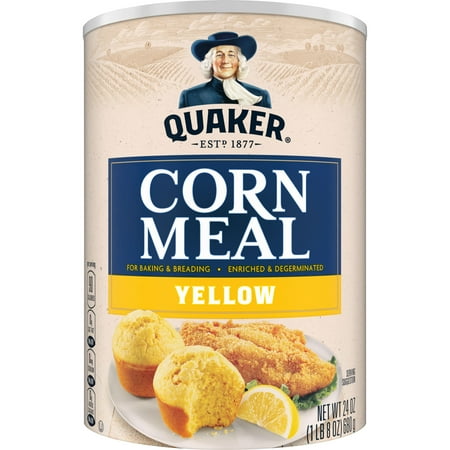
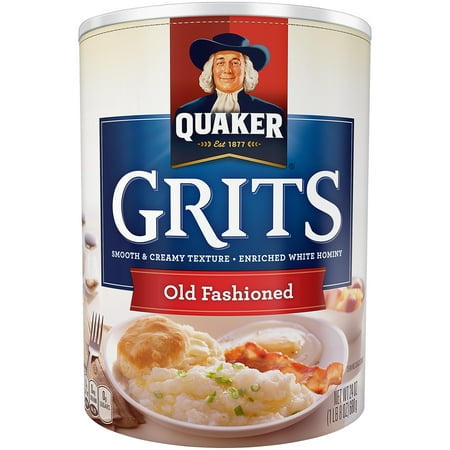
Quaker Old Fashioned Grits 24 Ounce Canister
At a glance
Summary
Quaker Old Fashioned Grits are made from degerminated white corn grits with added vitamins and minerals, reflecting minimal processing. The product contains no harmful additives or seed oils, and the ingredient list is short and straightforward, contributing to its high score. The fortification with essential nutrients like niacin and iron further enhances its nutritional profile. Its plastic packaging can shed microplastics into the food and lowers its score.
Key ingredients 6
Degerminated white corn gritsNeutral
Degerminated white corn grits are a processed form of corn where the germ and bran are removed. This process reduces the fiber and nutrient content compared to whole corn. It is a common ingredient in grits, providing carbohydrates as a primary energy source.
Risks
The removal of the germ and bran reduces the fiber and nutrient content, potentially impacting blood sugar levels.
Benefits
Provides a source of carbohydrates and energy, suitable for quick-cooking breakfast options.
NiacinamideNeutral
Niacinamide is a form of vitamin B3 used to fortify foods. It is essential for energy metabolism and maintaining healthy skin. As a synthetic vitamin, it is added to enhance nutritional value.
Benefits
Contributes to the daily intake of vitamin B3, supporting energy metabolism and skin health.
Reduced ironNeutral
Reduced iron is an iron fortification used to prevent iron deficiency anemia. It is a common additive in processed foods to enhance iron content. The bioavailability of reduced iron can vary depending on dietary factors.
Risks
Excessive iron intake can lead to toxicity, but this is rare from food sources alone.
Benefits
Helps prevent iron deficiency anemia by contributing to daily iron intake.
Thiamin mononitrateNeutral
Thiamin mononitrate is a synthetic form of vitamin B1 used to fortify foods. It is crucial for carbohydrate metabolism and nerve function. Fortification helps prevent deficiencies in populations with limited dietary diversity.
Benefits
Supports carbohydrate metabolism and nerve function by providing vitamin B1.
RiboflavinNeutral
Riboflavin, or vitamin B2, is added to foods to enhance nutritional value. It plays a key role in energy production and cellular function. As a water-soluble vitamin, it is generally safe with low risk of toxicity.
Benefits
Essential for energy production and cellular function, contributing to overall health.
Folic acidNeutral
Folic acid is a synthetic form of folate, a B-vitamin important for DNA synthesis and repair. It is commonly added to foods to prevent neural tube defects in developing fetuses. Fortification helps ensure adequate intake in the general population.
Risks
Excessive intake of folic acid can mask vitamin B12 deficiency symptoms.
Benefits
Supports DNA synthesis and repair, and is crucial for fetal development during pregnancy.
Processing
Unprocessed or Minimally Processed Foods
Get the full breakdown in the Scout appTake Scout shopping
Scan any product to see lab results, healthy alternatives, and your personalized analysis.
Are you Quaker? Fix an error Get the badge Get tested
Amazon pricing & content
Amazon price as of . Product prices and availability are accurate as of the date/time indicated and are subject to change. Any price and availability information displayed on Amazon.com at the time of purchase will apply to the purchase of this product.
CERTAIN CONTENT THAT APPEARS ON THIS SITE COMES FROM AMAZON. THIS CONTENT IS PROVIDED “AS IS” AND IS SUBJECT TO CHANGE OR REMOVAL AT ANY TIME.