
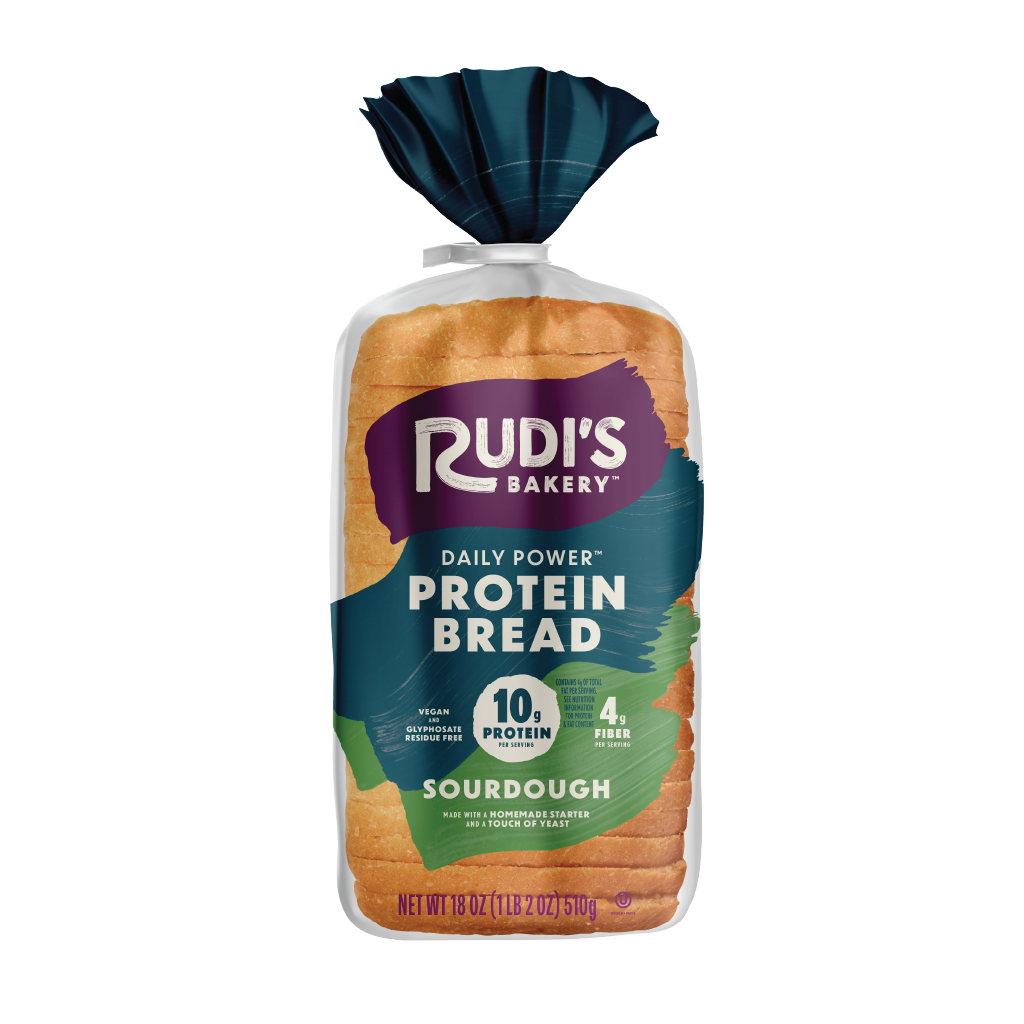


Daily Power Protein Bread, Sourdough
Analysis updated August 2026 · How Scout scores
At a glance
Summary
This bread contains a variety of beneficial ingredients such as whole wheat flour, pea protein, and various nutrient-rich grains like amaranth and teff, which enhance its nutritional profile. However, the presence of sunflower oil, a seed oil high in omega-6 fatty acids, and cane sugar, a refined sugar, detracts from its healthiness. The product is moderately processed, which limits its score despite the inclusion of several healthy components.
Key ingredients 24
Whole wheat flourGood
Whole wheat flour retains the bran and germ, providing more fiber and nutrients than refined flour. It supports digestive health and provides essential vitamins and minerals. It is a better alternative to refined wheat flour.
Risks
May cause allergic reactions or digestive issues in individuals with gluten intolerance or celiac disease.
Benefits
Rich in dietary fiber, vitamins, and minerals, supporting overall health and digestion.
Beta-glucan rich barley flourGood
Barley flour rich in beta-glucan is beneficial for heart health due to its cholesterol-lowering properties. It also supports digestive health by providing soluble fiber. It is a nutritious addition to bread products.
Risks
May cause allergic reactions in individuals sensitive to barley.
Benefits
Supports heart health and digestion through its high beta-glucan content.
Amaranth flourGood
Amaranth flour is a gluten-free grain rich in protein, fiber, and micronutrients. It provides a complete amino acid profile, making it a valuable addition to plant-based diets. It enhances the nutritional profile of bread.
Benefits
Rich in protein, fiber, and essential nutrients, supporting overall health.
Teff flourGood
Teff flour is a gluten-free grain high in protein, fiber, and essential minerals like iron and calcium. It supports bone health and provides sustained energy. It is a nutritious alternative to traditional flours.
Benefits
Provides essential minerals and nutrients, supporting bone health and energy levels.
FlaxseedsGood
Flaxseeds are rich in omega-3 fatty acids, fiber, and lignans, which support heart health and have anti-inflammatory properties. They are a nutritious addition to bread, enhancing its health benefits. They also aid in digestion and provide plant-based omega-3s.
Risks
May cause digestive discomfort if consumed in large quantities.
Benefits
Rich in omega-3s and fiber, supporting heart health and digestion.
MilletGood
Millet is a gluten-free grain that is high in fiber, protein, and essential nutrients. It supports digestive health and provides a good source of energy. It is a nutritious alternative to more common grains.
Benefits
Provides fiber and essential nutrients, supporting digestion and energy levels.
Sugarcane fiberGood
Sugarcane fiber is a source of dietary fiber that supports digestive health. It adds bulk to the diet and can help regulate blood sugar levels. It is a beneficial addition to bread for its fiber content.
Benefits
Supports digestive health and helps regulate blood sugar levels.
InulinGood
Inulin is a prebiotic fiber that supports gut health by promoting the growth of beneficial bacteria. It can improve digestion and enhance nutrient absorption. It is a valuable addition to foods for its prebiotic benefits.
Risks
May cause digestive discomfort in some individuals if consumed in large amounts.
Benefits
Promotes gut health and improves digestion through its prebiotic properties.
Chia seedsGood
Chia seeds are rich in omega-3 fatty acids, fiber, and antioxidants, supporting heart health and digestion. They provide a nutrient-dense addition to bread, enhancing its health benefits. They also aid in hydration and provide sustained energy.
Risks
May cause digestive discomfort if consumed in large quantities.
Benefits
Rich in omega-3s and fiber, supporting heart health and digestion.
Poppy seedsGood
Beneficial ingredient — whole-food or functional value in this product class.
Benefits
Provides flavor and texture, with some essential minerals.
Psyllium husk fiberGood
Psyllium husk fiber is a soluble fiber that supports digestive health and can help regulate blood sugar levels. It is beneficial for maintaining bowel regularity and overall gut health. It is a valuable addition to foods for its fiber content.
Risks
May cause digestive discomfort if consumed in large amounts without adequate water.
Benefits
Supports digestive health and helps regulate blood sugar levels through its high fiber content.
QuinoaGood
Quinoa is a nutrient-dense grain that is high in protein, fiber, and essential amino acids. It supports muscle health and provides sustained energy. It is a nutritious addition to bread, enhancing its health benefits.
Benefits
Rich in protein and essential nutrients, supporting muscle health and energy levels.
WaterNeutral
Water is a basic ingredient used in many food products. It acts as a solvent and helps in mixing other ingredients. It does not provide any nutritional value.
See more about Water →Wheat glutenNeutral
Wheat gluten is used to improve the texture and elasticity of bread. It is a concentrated source of protein. However, it is not suitable for those with gluten intolerance.
Risks
Can cause adverse reactions in individuals with gluten intolerance or celiac disease.
Benefits
Enhances the protein content and texture of bread products.
Pea proteinNeutral
Standard formulation ingredient — neither beneficial nor harmful at typical use.
Benefits
Provides a high-quality plant-based protein source, supporting muscle health.
Rice proteinNeutral
Rice protein is a plant-based protein source that is hypoallergenic and easily digestible. It is often used in combination with other proteins to provide a complete amino acid profile. It is a suitable option for those with dietary restrictions.
Benefits
Provides a hypoallergenic protein source, suitable for various dietary needs.
YeastNeutral
Yeast is used in bread making to help the dough rise and improve texture. It is a natural ingredient that contributes to the fermentation process. It does not provide significant nutritional benefits.
See more about Yeast →Fava bean protein isolateNeutral
Fava bean protein isolate is a plant-based protein source that provides essential amino acids. It is used to enhance the protein content of foods. It is a suitable option for those avoiding animal proteins.
Benefits
Provides a plant-based protein source, supporting dietary protein intake.
SaltNeutral
Salt is used to enhance flavor and preserve food. It is a common ingredient in bread but should be consumed in moderation. Excessive salt intake can lead to health issues.
Risks
High sodium intake can contribute to hypertension and cardiovascular issues.
Benefits
Enhances flavor and acts as a preservative in food products.
Distilled white vinegarNeutral
Distilled white vinegar is used as a preservative and flavor enhancer in foods. It is a natural ingredient with no significant nutritional value. It helps in extending the shelf life of products.
Benefits
Acts as a preservative and flavor enhancer in food products.
Cultured wheat flourNeutral
Cultured wheat flour is used to improve the texture and shelf life of baked goods. It is a natural ingredient that undergoes fermentation. It does not provide significant nutritional benefits.
Benefits
Enhances texture and shelf life of baked goods.
Wheat flourBad
Refined grain flour stripped of bran and germ.
Risks
May cause allergic reactions or digestive issues in individuals with gluten intolerance or celiac disease.
Benefits
Provides carbohydrates for energy and some protein content.
Cane sugarBad
Cane sugar is a refined sugar that can contribute to increased blood sugar levels and caloric intake. It lacks nutritional benefits and can lead to health issues if consumed in excess. It is best consumed in moderation.
Risks
Excessive consumption can lead to weight gain, insulin resistance, and dental issues.
Sunflower oilVery Bad
Sunflower oil is a seed oil high in omega-6 fatty acids, which can promote inflammation when consumed in excess. It is often highly processed, which can degrade its nutritional quality. It is not recommended for regular consumption due to its inflammatory potential.
Risks
High omega-6 content may promote inflammation and imbalance in fatty acid intake.
Processing
Processed Foods
Get the full breakdown in the Scout appTake Scout shopping
Scan any product to see lab results, healthy alternatives, and your personalized analysis.
Download on theApp Store GET IT ONGoogle Play