


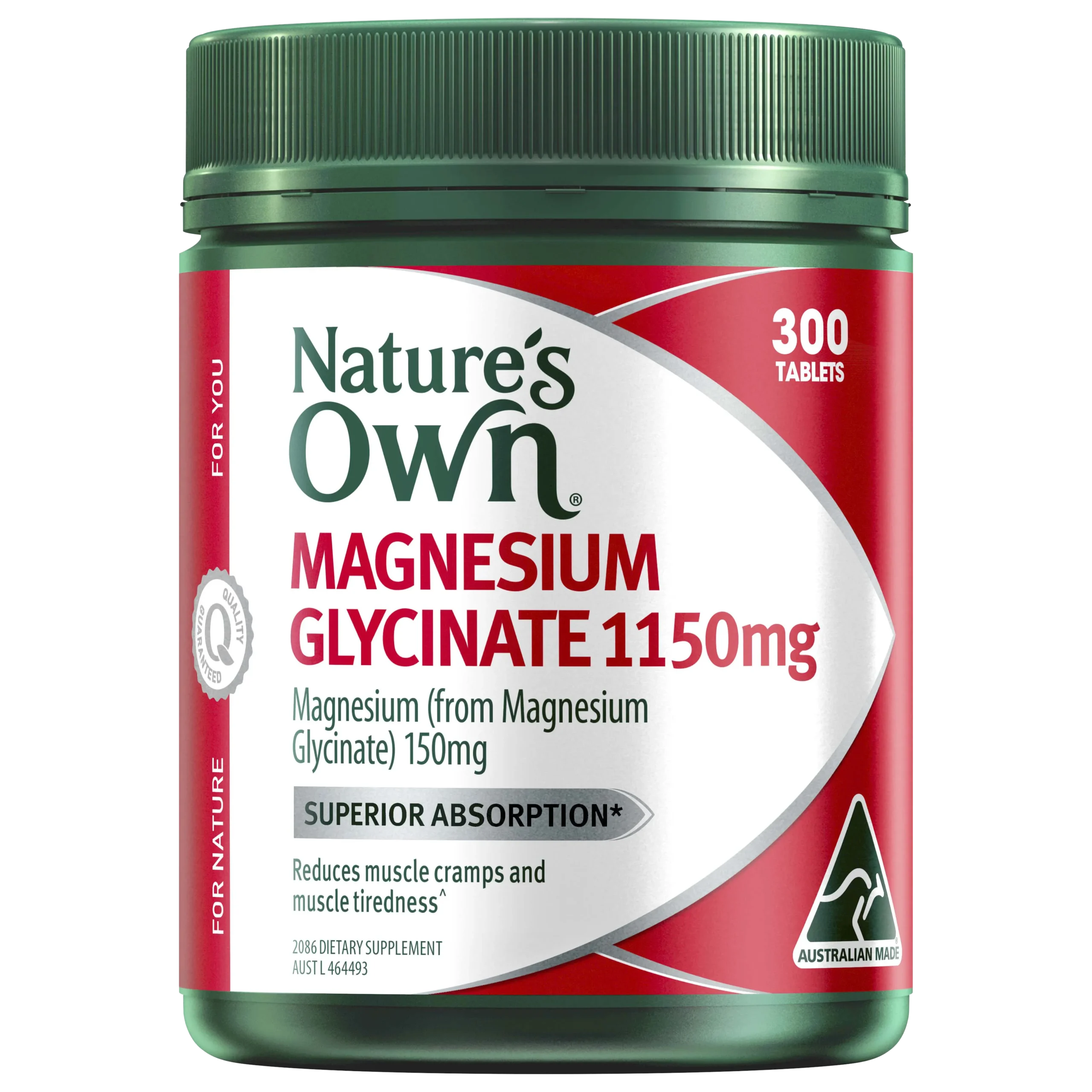
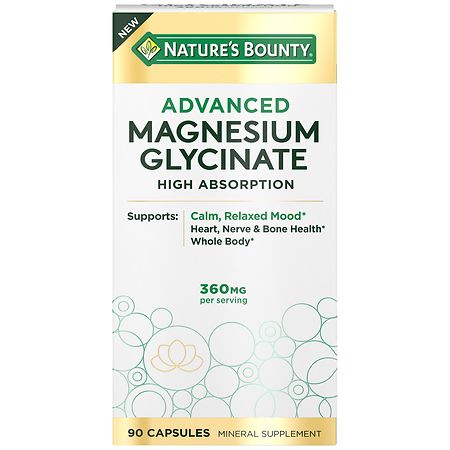


Nature Made High Absorption Magnesium Glycinate 300 Mg
Analysis updated August 2026 · How Scout scores
At a glance
Summary
This magnesium supplement features highly bioavailable forms of magnesium, such as magnesium glycinate, citrate, and malate, which are known for their effective absorption and minimal digestive side effects. The inclusion of additional beneficial nutrients like calcium, beta carotene, and choline further enhances its nutritional profile. The product is minimally processed and free from harmful additives, making it a high-quality choice for those seeking to improve their magnesium intake.
Key ingredients 13
Magnesium GlycinateVery Good
Magnesium glycinate is known for its high bioavailability and gentle effect on the stomach, making it an excellent choice for those with sensitive digestive systems. It is often used to promote relaxation and improve sleep quality. This form is less likely to cause laxative effects compared to other magnesium salts.
Benefits
Promotes relaxation, supports sleep quality, and is gentle on the digestive system.
Folate (B9)Very Good
Folate is a B vitamin essential for DNA synthesis, cell division, and proper fetal development during pregnancy. It is crucial for preventing neural tube defects and supporting overall health. Adequate folate intake is important for cardiovascular health and reducing the risk of certain birth defects.
Benefits
Supports DNA synthesis, cell division, and fetal development, and helps prevent neural tube defects.
Magnesium CitrateGood
Magnesium citrate is a highly bioavailable form of magnesium, which is essential for numerous bodily functions including muscle and nerve function. It is often used to support digestive health and relieve constipation due to its osmotic laxative properties. Compared to other forms, it is well-absorbed and effective in replenishing magnesium levels.
Risks
Excessive intake may lead to diarrhea or gastrointestinal discomfort.
Benefits
Supports muscle and nerve function, and aids in maintaining normal blood pressure.
Magnesium MalateGood
Magnesium malate combines magnesium with malic acid, which may enhance energy production and reduce muscle pain. This form is particularly beneficial for individuals with fibromyalgia or chronic fatigue syndrome. It is well-absorbed and provides both magnesium and malic acid benefits.
Risks
High doses may cause gastrointestinal issues such as diarrhea.
Benefits
May improve energy levels and reduce muscle pain, while supporting overall magnesium intake.
CalciumGood
Calcium is a vital mineral for bone health and plays a crucial role in muscle function and nerve signaling. It is essential for maintaining strong bones and teeth. Adequate calcium intake is important for preventing osteoporosis and supporting cardiovascular health.
Risks
Excessive calcium intake can lead to kidney stones or impaired absorption of other minerals.
Benefits
Supports bone health, muscle function, and nerve signaling.
Alpha CaroteneGood
Alpha carotene is a precursor to vitamin A and acts as an antioxidant, protecting cells from damage. It is found in various fruits and vegetables and contributes to eye health and immune function. As an antioxidant, it helps reduce the risk of chronic diseases.
Benefits
Supports eye health and immune function, and acts as an antioxidant.
Beta CaroteneGood
Beta carotene is a well-known antioxidant and a precursor to vitamin A, essential for vision, skin health, and immune function. It is abundant in colorful fruits and vegetables and helps protect against oxidative stress. Regular intake supports overall health and reduces the risk of chronic diseases.
Risks
Excessive intake may lead to carotenemia, a harmless condition causing yellowing of the skin.
Benefits
Promotes eye health, supports immune function, and provides antioxidant protection.
CholineGood
Choline is an essential nutrient that supports brain health, liver function, and muscle movement. It is a precursor to acetylcholine, a neurotransmitter involved in memory and muscle control. Adequate choline intake is important for cognitive function and overall health.
Benefits
Supports brain health, liver function, and muscle movement.
CopperGood
Copper is a trace mineral essential for iron metabolism, energy production, and the formation of connective tissue. It plays a role in maintaining healthy bones, blood vessels, and nerves. Adequate copper intake is important for overall health and preventing anemia.
Risks
Excessive copper intake can lead to toxicity and liver damage.
Benefits
Supports iron metabolism, energy production, and connective tissue formation.
LycopeneGood
Lycopene is a powerful antioxidant found in tomatoes and other red fruits, known for its potential to reduce the risk of certain cancers and heart disease. It helps protect cells from oxidative damage and supports overall health. Regular consumption is associated with reduced risk of chronic diseases.
Benefits
Acts as a powerful antioxidant and may reduce the risk of certain cancers and heart disease.
MagnesiumGood
Magnesium is a vital mineral involved in over 300 biochemical reactions in the body, including energy production, muscle contraction, and nerve function. It is essential for maintaining normal muscle and nerve function, supporting a healthy immune system, and keeping bones strong. Adequate magnesium intake is crucial for overall health and well-being.
Risks
Excessive intake may lead to diarrhea or gastrointestinal discomfort.
Benefits
Supports energy production, muscle contraction, and nerve function, and is essential for bone health.
CaffeineNeutral
Caffeine is a natural stimulant found in coffee, tea, and other plants, known for enhancing alertness and concentration. It is commonly used to improve mental focus and physical performance. While beneficial in moderation, excessive consumption can lead to negative side effects.
Risks
High doses can cause jitteriness, insomnia, and increased heart rate.
Benefits
Enhances alertness and concentration, and may improve physical performance.
FluorideNeutral
Fluoride is commonly added to water and dental products to prevent tooth decay. It strengthens tooth enamel and reduces the risk of cavities. While beneficial for dental health, excessive intake can lead to dental fluorosis.
Risks
High levels can cause dental fluorosis, leading to discoloration of teeth.
Benefits
Strengthens tooth enamel and helps prevent cavities.
Processing
Unprocessed or Minimally Processed Foods
Get the full breakdown in the Scout appTake Scout shopping
Scan any product to see lab results, healthy alternatives, and your personalized analysis.
Download on theApp Store GET IT ONGoogle PlayAmazon pricing & content
Amazon price as of . Product prices and availability are accurate as of the date/time indicated and are subject to change. Any price and availability information displayed on Amazon.com at the time of purchase will apply to the purchase of this product.
CERTAIN CONTENT THAT APPEARS ON THIS SITE COMES FROM AMAZON. THIS CONTENT IS PROVIDED “AS IS” AND IS SUBJECT TO CHANGE OR REMOVAL AT ANY TIME.