

At a glance
Summary
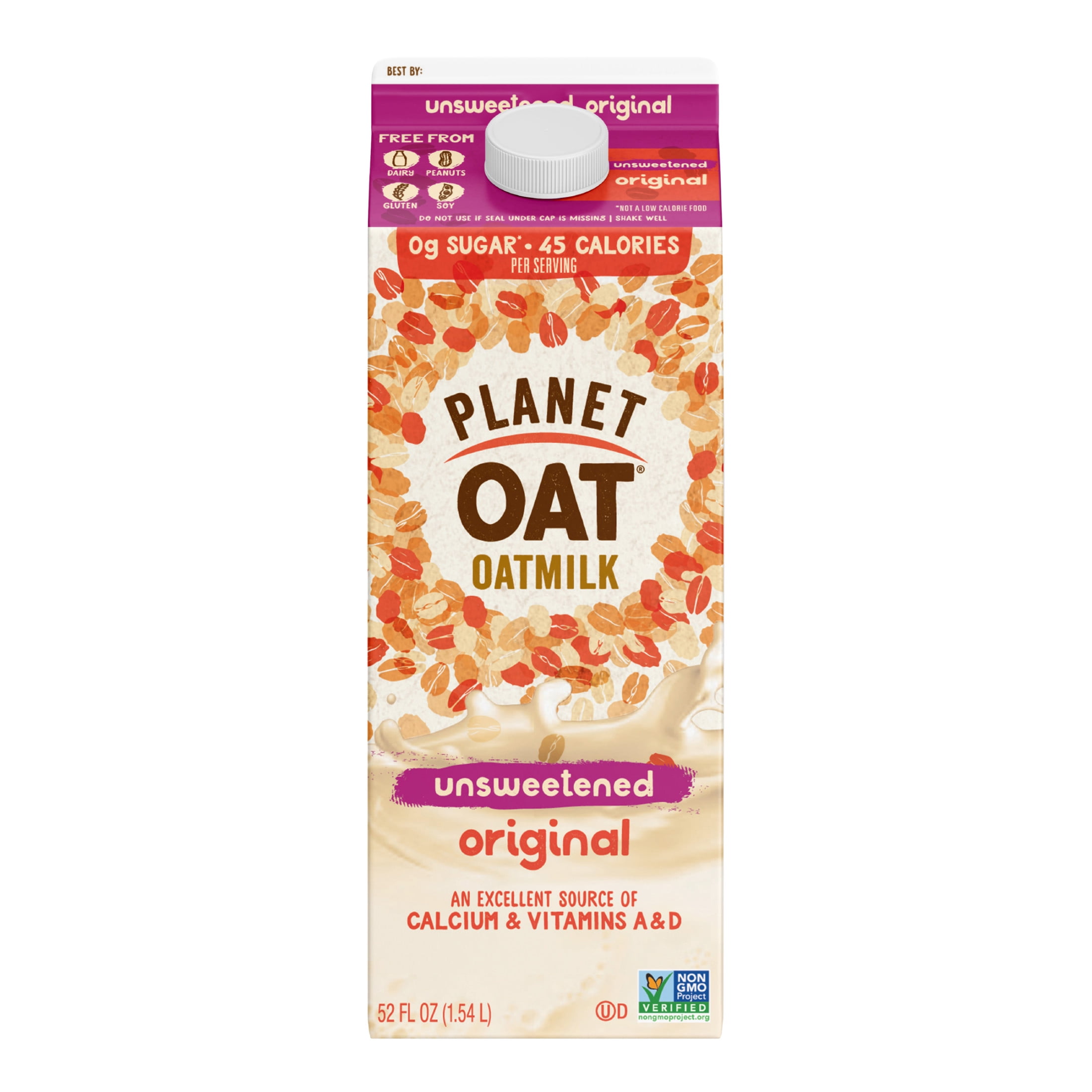
This oat milk is fortified with beneficial vitamins and minerals such as calcium, vitamin D2, and vitamin B12, which enhance its nutritional profile. However, it is considered ultra-processed due to the presence of additives like gellan gum and potassium phosphate, which are used for texture and stability. While the product provides essential nutrients, the level of processing and use of additives limit its score.
Key ingredients 11
OatsVery Good
Oats are a whole grain rich in fiber, particularly beta-glucan, which can help lower cholesterol levels. They provide a source of complex carbohydrates and essential nutrients. Oats are minimally processed, retaining most of their nutritional benefits.
Risks
May contain gluten if not certified gluten-free, posing a risk for individuals with celiac disease or gluten sensitivity.
Benefits
Rich in dietary fiber, which supports digestive health and may aid in cholesterol reduction.
Tricalcium PhosphateGood
Tricalcium phosphate is used to fortify foods with calcium and phosphorus, both essential for bone health. It is a stable compound that enhances the nutritional profile of plant-based beverages. It is generally well-tolerated and effective in increasing dietary calcium intake.
Risks
High doses may lead to imbalances in calcium and phosphorus levels, potentially affecting kidney function.
Benefits
Enhances calcium and phosphorus intake, supporting bone density and overall skeletal health.
Sea SaltGood
Sea salt is a natural source of sodium and trace minerals, used to enhance flavor in foods. It is less processed than table salt, retaining more of its natural mineral content. Sea salt can contribute to electrolyte balance when consumed in moderation.
Risks
Excessive sodium intake can lead to hypertension and cardiovascular issues.
Benefits
Provides essential minerals and can help maintain electrolyte balance.
Ergocalciferol (Vitamin D2)Good
Ergocalciferol, or vitamin D2, is used to fortify foods and support bone health by aiding calcium absorption. It is derived from plant sources, making it suitable for vegan diets. Fortification helps prevent vitamin D deficiency, especially in regions with limited sunlight exposure.
Risks
High doses can lead to hypercalcemia, affecting bone and kidney health.
Benefits
Enhances calcium absorption and supports bone health, particularly in plant-based diets.
RiboflavinGood
Riboflavin, or vitamin B2, is essential for energy production and cellular function. It is often added to foods to enhance nutritional value, especially in plant-based diets. Riboflavin is water-soluble and generally well-absorbed.
Benefits
Supports energy metabolism and cellular health, contributing to overall well-being.
Vitamin B12Good
Vitamin B12 is crucial for nerve function and the production of red blood cells. It is often added to plant-based foods to prevent deficiency, as it is primarily found in animal products. Fortification ensures adequate intake for individuals following a vegan diet.
Benefits
Supports nerve health and red blood cell production, preventing deficiency in plant-based diets.
Filtered WaterNeutral
Filtered water is used as a base for many beverages, providing hydration without additional calories or nutrients. It is typically free from impurities and contaminants. As a neutral ingredient, it serves as a carrier for other components.
Benefits
Provides hydration and acts as a solvent for other ingredients.
Potassium PhosphateNeutral
Potassium phosphate is used as a stabilizer and acidity regulator in food products. It helps maintain the pH balance and improve texture. While it is generally recognized as safe, excessive intake can affect mineral balance.
Risks
Excessive consumption may lead to imbalances in mineral levels, particularly affecting kidney function.
Benefits
Provides potassium, an essential mineral that supports nerve function and muscle contraction.
Calcium CarbonateNeutral
Standard formulation ingredient — neither beneficial nor harmful at typical use.
Risks
Excessive intake can lead to hypercalcemia, which may cause kidney stones and impaired absorption of other minerals.
Benefits
Provides a significant source of calcium, essential for maintaining strong bones and teeth.
Gellan GumNeutral
Gellan gum is a gelling agent used to stabilize and thicken food products. It is derived from bacterial fermentation and is considered safe for consumption. It helps improve the texture and consistency of plant-based beverages.
Risks
Excessive consumption may cause digestive discomfort in sensitive individuals.
Benefits
Improves texture and stability of food products without significant health risks.
Vitamin A PalmitateNeutral
Standard formulation ingredient — neither beneficial nor harmful at typical use.
Risks
Excessive intake can lead to hypervitaminosis A, causing liver damage and other health issues.
Benefits
Supports vision, immune function, and skin health through fortification.
Processing
Ultra-Processed Foods
Get the full breakdown in the Scout appTake Scout shopping
Scan any product to see lab results, healthy alternatives, and your personalized analysis.
Download on theApp Store GET IT ONGoogle Play