
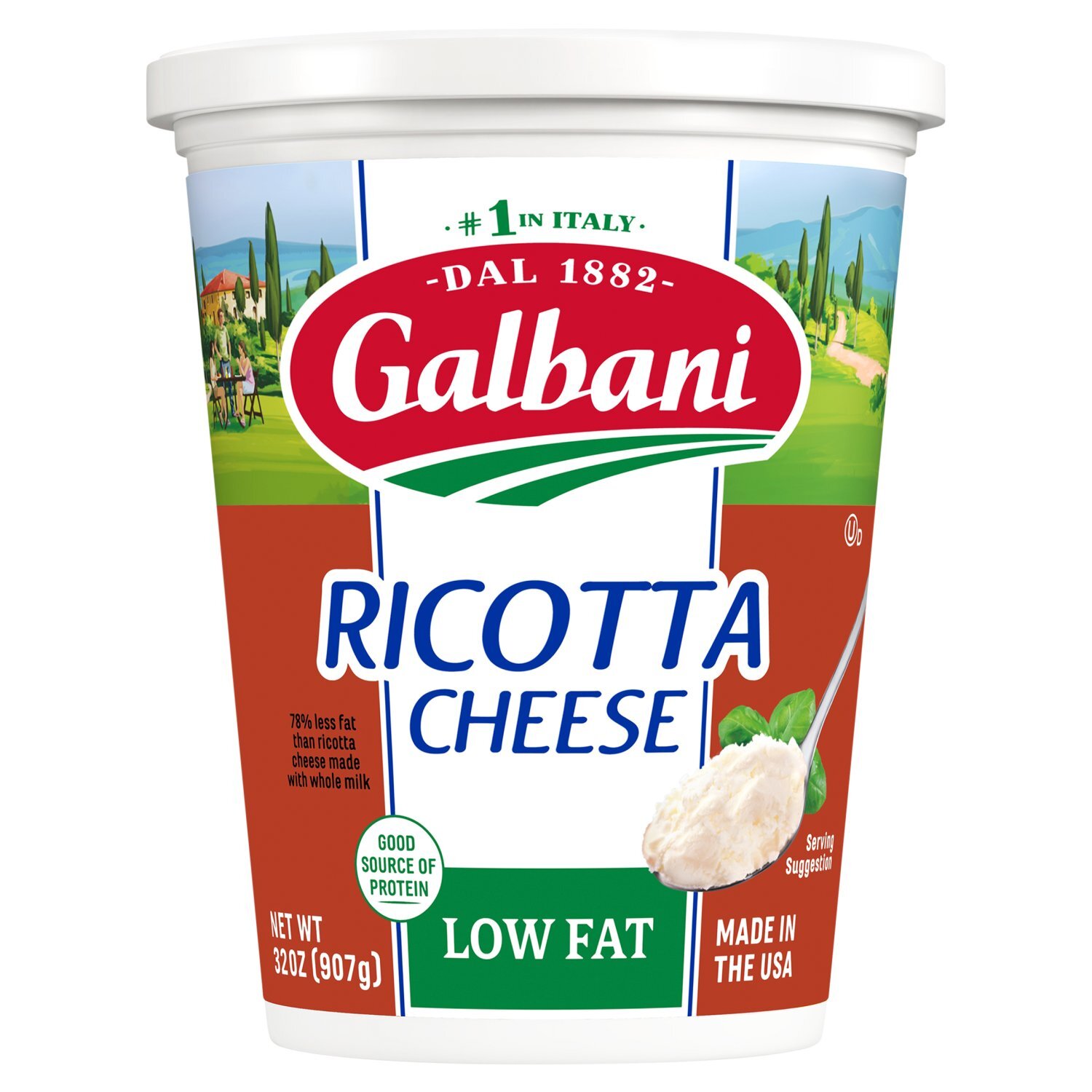
Low Fat Ricotta Cheese
At a glance
Summary
This low-fat ricotta cheese is a processed product with a few additives, including modified food starch and carrageenan, which are used as stabilizers but may contribute to digestive discomfort and lack nutritional benefits. While it contains beneficial ingredients like pasteurized whey, the presence of these additives and its processed nature limit its healthfulness compared to more traditional, minimally processed cheeses.
Key ingredients 8
Pasteurized wheyGood
Pasteurized whey is a high-quality protein source derived from milk. It provides essential amino acids and is easily digestible. The pasteurization process ensures safety by eliminating harmful bacteria.
Benefits
Rich in essential amino acids and supports muscle repair and growth. Easily digestible and beneficial for maintaining lean body mass.
Pasteurized milkNeutral
Pasteurized milk is a common dairy ingredient providing calcium and vitamin D. The pasteurization process kills harmful bacteria, making it safe for consumption. It is a staple in many diets for its nutritional content.
Risks
Some individuals may be lactose intolerant or allergic to milk proteins.
Benefits
Provides calcium and vitamin D, which are essential for bone health.
VinegarNeutral
Vinegar is used as an acidifying agent in cheese production. It helps in curdling milk to form cheese. It is a natural ingredient with minimal processing.
Benefits
Acts as a natural preservative and acidifying agent in food production.
SaltNeutral
Salt is used for flavor enhancement and preservation in cheese. It is a common culinary ingredient. Excessive consumption can lead to health issues like hypertension.
Risks
High sodium intake can contribute to hypertension and cardiovascular diseases.
Benefits
Enhances flavor and acts as a preservative in food products.
Guar gumNeutral
Guar gum is a natural thickening agent derived from guar beans. It is used to improve texture and consistency in foods. It is generally considered safe but can cause digestive discomfort in large amounts.
Risks
Excessive consumption may lead to digestive issues such as bloating or gas.
Benefits
Helps improve texture and consistency in food products.
Vitamin A palmitateNeutral
Vitamin A palmitate is a synthetic form of vitamin A used to fortify foods. It helps maintain vision and immune function. It is added to compensate for nutrient loss during processing.
Risks
Excessive intake can lead to hypervitaminosis A, but this is rare from fortified foods alone.
Benefits
Supports vision and immune health by providing essential vitamin A.
Modified food starchBad
Modified food starch is used as a stabilizer and thickener in processed foods. It is highly processed and can affect the texture of the product. It may contribute to increased calorie intake without nutritional benefits.
Risks
May cause digestive issues in sensitive individuals and contribute to empty calorie consumption.
Benefits
Provides texture and stability to processed foods.
CarrageenanBad
Carrageenan is a seaweed-derived thickener and stabilizer used in many processed foods. It is controversial due to potential inflammatory effects in the digestive tract. Some studies suggest it may cause gastrointestinal discomfort.
Risks
May cause gastrointestinal inflammation and discomfort in sensitive individuals.
Benefits
Provides thickening and stabilizing properties in food products.
Processing
Processed Foods
Get the full breakdown in the Scout appTake Scout shopping
Scan any product to see lab results, healthy alternatives, and your personalized analysis.
Are you Food Club? Fix an error Get the badge Get tested


