
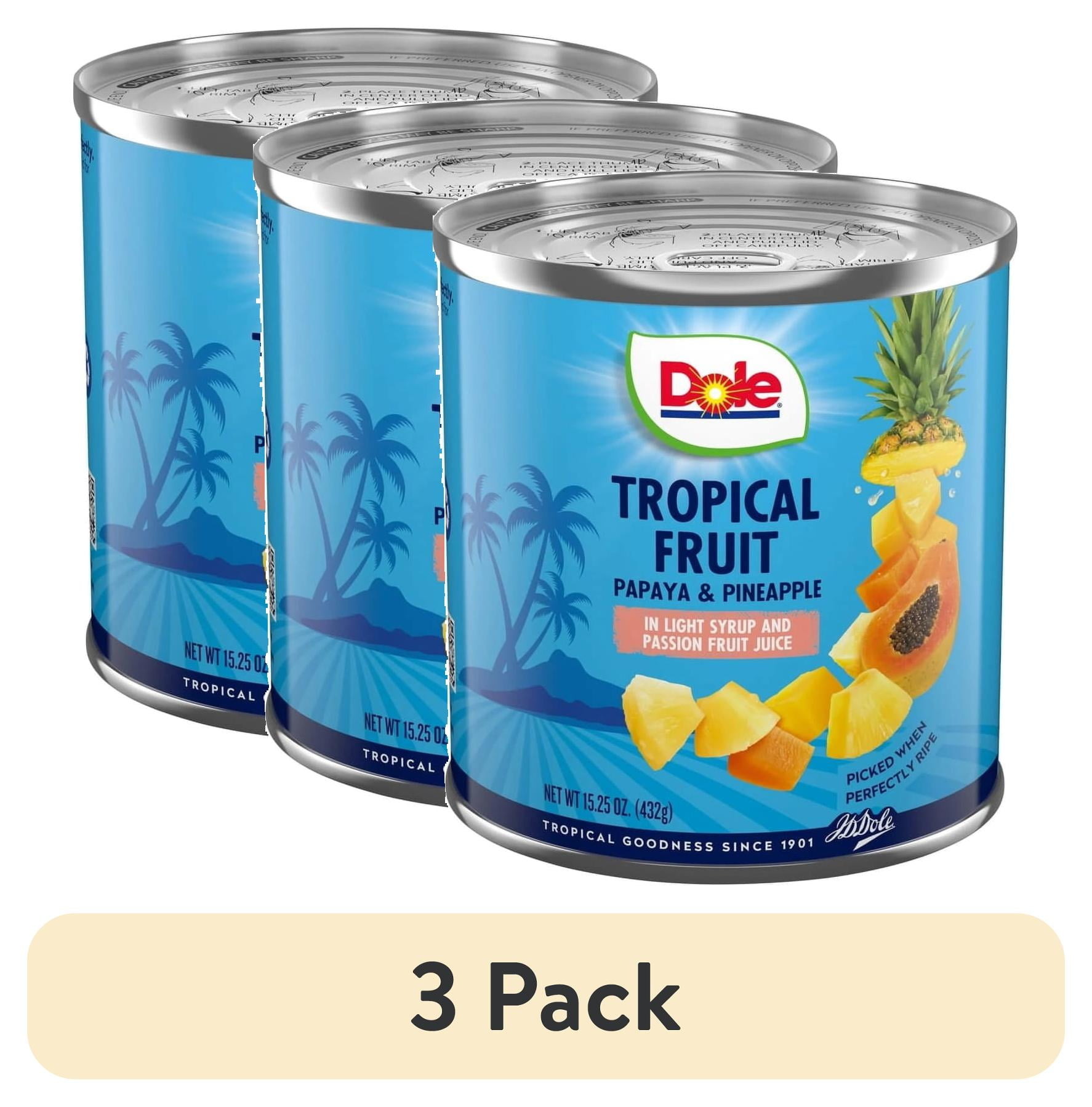
Pineapple Papaya Twist Diced Mango
At a glance
Summary
This product contains beneficial ingredients like mango and papaya puree, which provide vitamins and antioxidants. However, it is classified as ultra-processed due to the inclusion of natural flavors and the use of concentrated juices, which reduce its overall nutritional value. The processing level limits its score despite the presence of some whole fruit components.
Key ingredients 7
MangoGood
Mango is a nutrient-rich fruit providing vitamins A and C, fiber, and antioxidants. It is minimally processed and retains most of its natural nutrients. The natural sugars in mango are balanced by its fiber content, aiding in digestion.
Benefits
Rich in vitamins A and C, which support immune function and skin health. Contains fiber that aids in digestion and promotes satiety.
Papaya PureeGood
Papaya puree is a source of vitamins A and C, as well as digestive enzymes like papain. It is less processed than juice, retaining more fiber and nutrients. The puree form allows for easier digestion and nutrient absorption.
Benefits
Rich in vitamins A and C, supporting immune function and skin health. Contains papain, which may aid in digestion.
Pineapple JuiceNeutral
Pineapple juice provides vitamin C and bromelain, an enzyme that may aid digestion. However, it is often high in natural sugars and lacks the fiber found in whole pineapple. The processing of juice can lead to a loss of some nutrients compared to the whole fruit.
Risks
High natural sugar content may contribute to increased calorie intake if consumed in excess.
Benefits
Provides vitamin C and bromelain, which may support immune health and digestion.
Lemon Juice From ConcentrateNeutral
Lemon juice from concentrate provides vitamin C and citric acid, which can enhance flavor and act as a preservative. The concentration process may reduce some nutrient content compared to fresh lemon juice. It is commonly used to add acidity and preserve color in food products.
Benefits
Provides vitamin C and citric acid, which can enhance flavor and preserve food quality.
Ascorbic AcidNeutral
Ascorbic acid, also known as vitamin C, is used to promote color retention and as an antioxidant. It is synthetically produced but mimics the natural vitamin C found in fruits. While beneficial in small amounts, excessive intake can lead to digestive issues.
Risks
Excessive consumption may lead to digestive discomfort or diarrhea.
Benefits
Acts as an antioxidant and helps maintain the color and freshness of food products.
Citric AcidNeutral
Citric acid is a natural preservative and flavor enhancer commonly used in food products. It is typically derived from citrus fruits but can also be produced through fermentation. It helps maintain acidity and preserve the freshness of foods.
Benefits
Helps preserve food quality and enhances flavor by maintaining acidity.
Natural FlavorsBad
Natural flavors are often used to enhance taste but lack transparency regarding their specific composition. They can be derived from various sources and may include additives not disclosed on the label. The use of natural flavors is common in processed foods to mimic natural taste profiles.
Risks
Lack of transparency in ingredient composition may pose concerns for individuals with allergies or sensitivities.
Processing
Ultra-Processed Foods
Get the full breakdown in the Scout appTake Scout shopping
Scan any product to see lab results, healthy alternatives, and your personalized analysis.
Are you Dole? Fix an error Get the badge Get tested


