

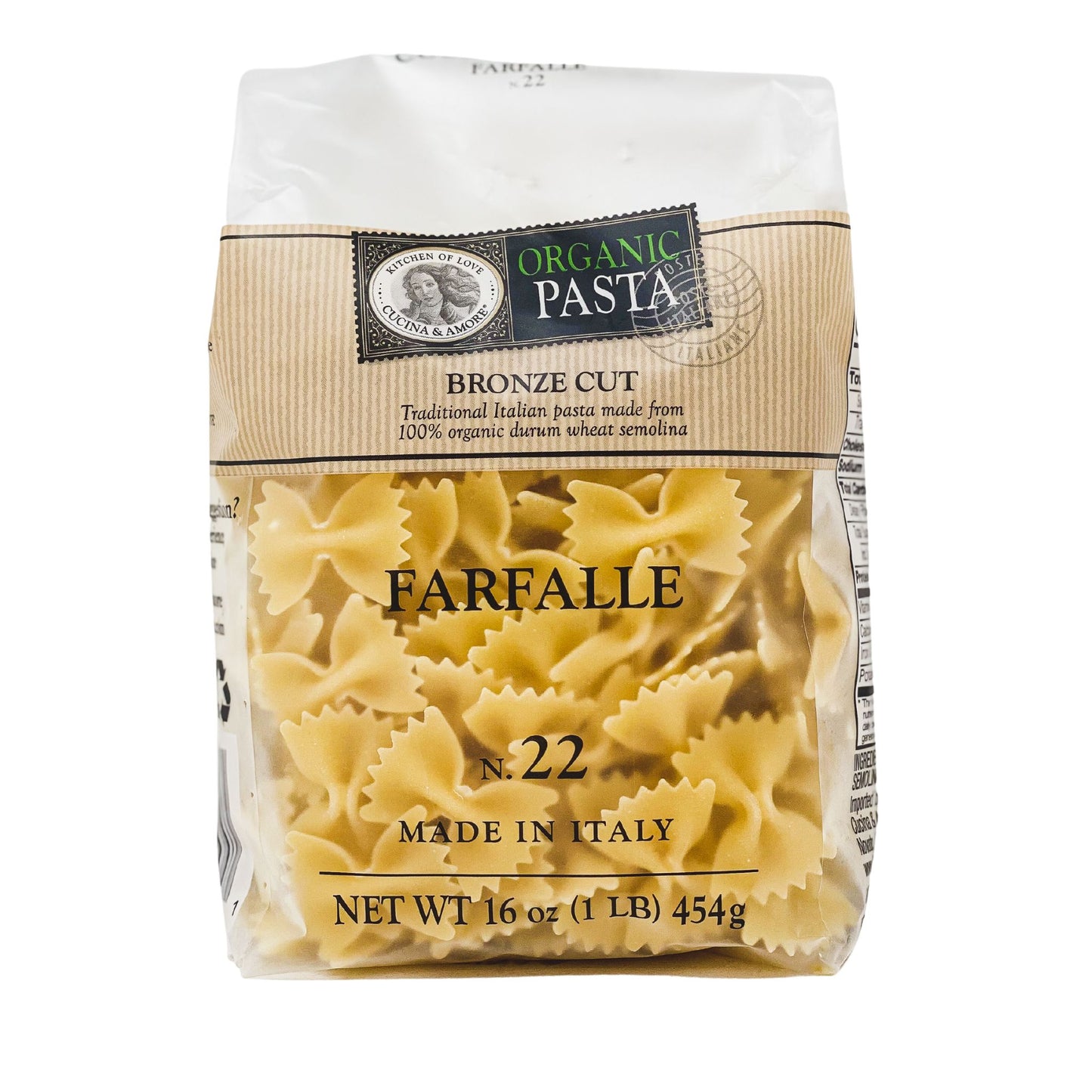


Colavita Farfalle (Bow Ties) Pasta, 16 Ounce
Analysis updated June 2026 · How Scout scores
At a glance
Summary
This pasta is made primarily from semolina wheat and enriched with vitamins and minerals, which is typical for processed pasta products. While it is a processed food, it does not contain harmful additives like artificial colors, flavors, or preservatives, which helps maintain a reasonable score. The ingredient list is relatively short and free from seed oils or high-fructose corn syrup, contributing positively to its rating.
Key ingredients 7
NIACINGood
Beneficial ingredient — whole-food or functional value in this product class.
See more about NIACIN →RIBOFLAVINGood
Essential B vitamin — beneficial micronutrient.
See more about RIBOFLAVIN →SEMOLINA(WHEAT)Neutral
Semolina made from wheat is a common base for pasta, providing carbohydrates and energy. It is generally considered neutral in terms of health impact.
IRONNeutral
Iron is an essential mineral important for blood health, and is included to help prevent deficiencies.
See more about IRON →LACTATENeutral
Lactate is a form of lactic acid that can be used as a preservative or flavor enhancer, with a neutral impact.
THIAMIN MONONIYRATENeutral
Thiamin mononitrate is a vitamin B1 supplement that supports energy production and is added to enrich the pasta.
FOLIC ACIDNeutral
Folic acid is added to support cell growth and development, enriching the nutritional profile of the pasta.
See more about FOLIC ACID →Processing
Processed Foods
Get the full breakdown in the Scout appTake Scout shopping
Scan any product to see lab results, healthy alternatives, and your personalized analysis.
Download on theApp Store GET IT ONGoogle Play