


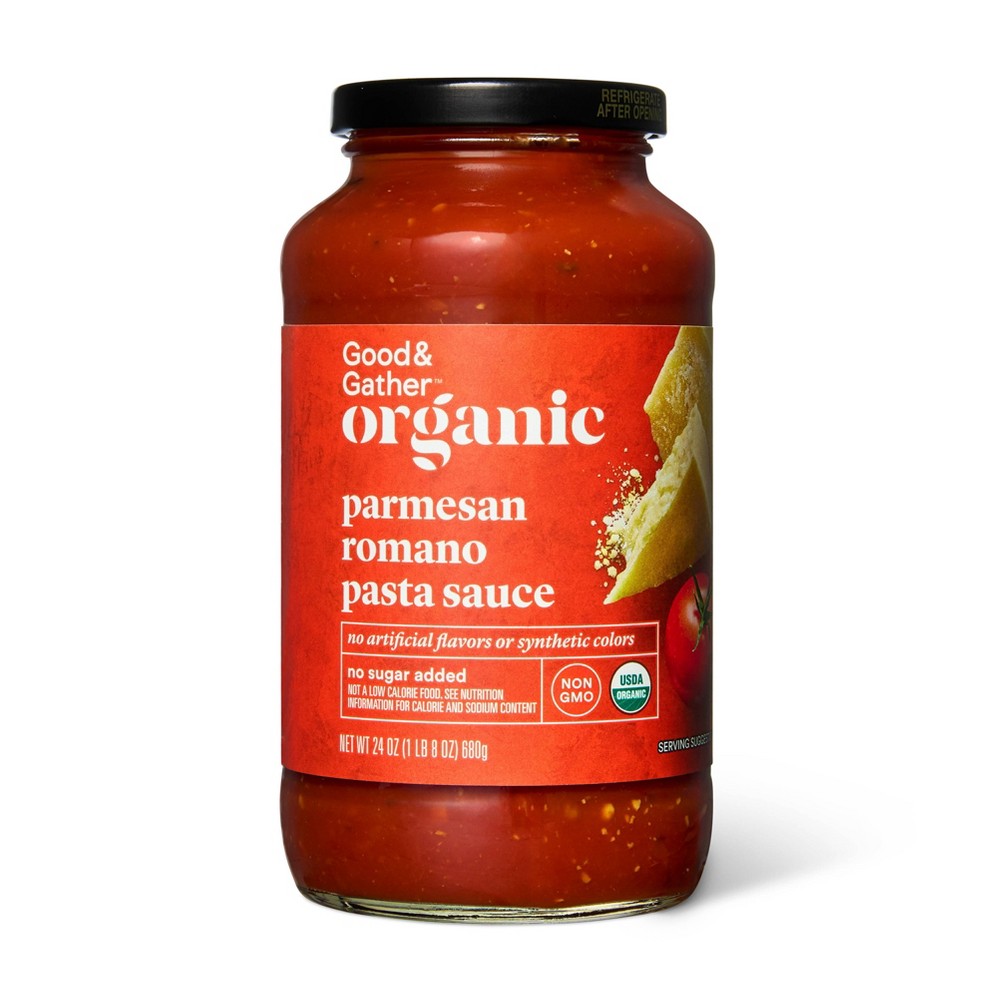

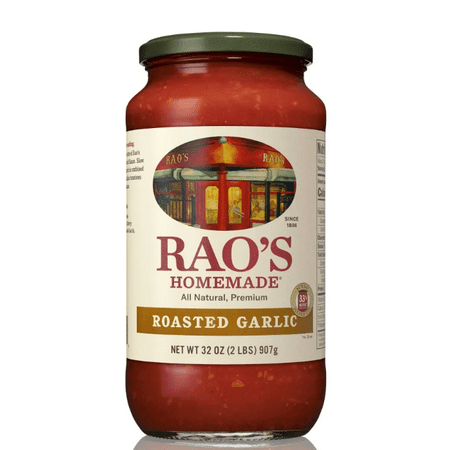
PASTA SAUCE, TOMATO & PARMIGIANO REGGIANO CHEESE
Analysis updated July 2026 · How Scout scores
At a glance
Summary
This pasta sauce contains beneficial ingredients like Italian tomatoes, olive oil, and Parmigiano Reggiano cheese, which contribute to its nutritional value. However, the presence of sunflower oil, a seed oil, and added sugar are notable concerns, as they can contribute to inflammation and metabolic issues. The product is also classified as ultra-processed, which limits its overall health rating despite the presence of some high-quality ingredients.
Key ingredients 13
Olive oilVery Good
Olive oil is a high-quality monounsaturated fat with anti-inflammatory properties. It contains antioxidants that support heart health. Cold-pressed extraction preserves beneficial compounds.
Benefits
Rich in monounsaturated fats that support heart health and provide anti-inflammatory properties.
Italian tomatoesGood
Italian tomatoes are a rich source of vitamins A and C, and antioxidants like lycopene. They are minimally processed when used in sauces, retaining most of their nutritional value. The natural acidity of tomatoes can enhance flavor without the need for excessive salt.
Benefits
Rich in antioxidants and vitamins that support immune function and skin health.
Parmigiano Reggiano cheeseGood
Parmigiano Reggiano cheese is a high-quality cheese made from cow's milk, offering a rich source of calcium and protein. It is aged, which enhances its flavor and digestibility. The cheese is also a source of beneficial probiotics due to its fermentation process.
Risks
May contain lactose, which can be a concern for those with lactose intolerance.
Benefits
Provides calcium and protein, supporting bone health and muscle maintenance.
OnionsGood
Onions are a natural source of vitamins and antioxidants, including quercetin, which has anti-inflammatory properties. They add flavor and depth to dishes without the need for artificial additives. Onions are also known to support heart health and immune function.
Benefits
Rich in antioxidants and vitamins that support heart health and immune function.
Sea saltGood
Sea salt is a minimally processed source of sodium and trace minerals. It enhances flavor without the need for excessive additives. Compared to refined salt, it retains more natural minerals.
Risks
Excessive sodium intake can lead to high blood pressure.
Benefits
Provides essential sodium and trace minerals.
GarlicGood
Garlic is known for its potential health benefits, including antimicrobial and anti-inflammatory properties. It adds flavor and depth to dishes naturally. Garlic is also associated with heart health benefits due to its sulfur compounds.
Benefits
Supports heart health and has antimicrobial properties.
Black pepperGood
Black pepper is a spice that enhances flavor and has potential health benefits, including improved digestion and antioxidant properties. It contains piperine, which may enhance the absorption of certain nutrients. Black pepper is a natural ingredient with minimal processing.
Benefits
Enhances flavor and may improve nutrient absorption.
OreganoGood
Oregano is a herb known for its antioxidant and antimicrobial properties. It adds flavor and aroma to dishes naturally. Oregano is rich in compounds like thymol and carvacrol, which may support immune health.
Benefits
Rich in antioxidants and supports immune health.
Light creamNeutral
Light cream adds richness and texture to sauces but is higher in saturated fats. It is less processed than heavy cream, retaining some nutritional value. However, it does not provide significant health benefits compared to other dairy products.
Risks
Contains saturated fats, which should be consumed in moderation.
Benefits
Adds creaminess and flavor to dishes.
Milk proteinNeutral
Milk protein is a source of high-quality protein, providing essential amino acids. It is often added to enhance the protein content of foods. However, it may not be suitable for those with dairy allergies.
Risks
May cause allergic reactions in individuals with dairy allergies.
Benefits
Provides essential amino acids and supports muscle maintenance.
Citric acidNeutral
Citric acid is used as an acidity regulator and preservative in foods. It is naturally found in citrus fruits and is generally recognized as safe. It helps maintain the stability and flavor of the product.
Benefits
Helps preserve food and maintain flavor.
SugarBad
Sugar is a refined carbohydrate that can contribute to weight gain and metabolic issues when consumed in excess. It is often added to enhance sweetness but offers no nutritional benefits. Excessive sugar intake is linked to various health issues, including diabetes.
Risks
Excessive consumption can lead to weight gain and increased risk of metabolic diseases.
Sunflower oilVery Bad
Sunflower oil is a seed oil high in omega-6 fatty acids, which can promote inflammation if consumed in excess. It is often extracted using high heat and chemicals, which can degrade its nutritional quality. Compared to olive oil, it lacks beneficial monounsaturated fats.
Risks
High omega-6 content may promote inflammation when consumed in excess.
Processing
Ultra-Processed Foods
Get the full breakdown in the Scout appTake Scout shopping
Scan any product to see lab results, healthy alternatives, and your personalized analysis.
Download on theApp Store GET IT ONGoogle PlayAmazon pricing & content
Amazon price as of . Product prices and availability are accurate as of the date/time indicated and are subject to change. Any price and availability information displayed on Amazon.com at the time of purchase will apply to the purchase of this product.
CERTAIN CONTENT THAT APPEARS ON THIS SITE COMES FROM AMAZON. THIS CONTENT IS PROVIDED “AS IS” AND IS SUBJECT TO CHANGE OR REMOVAL AT ANY TIME.