


At a glance
Summary
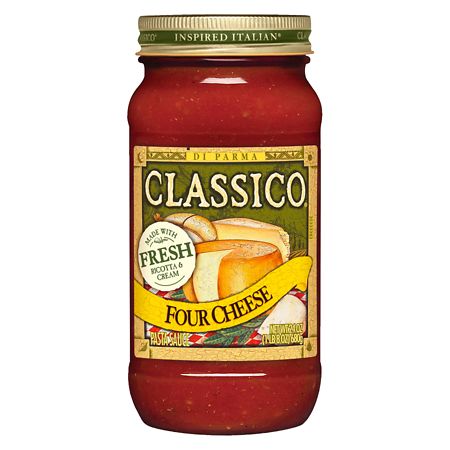
This pasta sauce contains beneficial ingredients like tomato puree, diced tomatoes, and olive oil, which provide vitamins and antioxidants. However, it is classified as ultra-processed due to the inclusion of refined sugar and additives like sodium phosphate. The presence of sugar and the processing level limit its healthiness despite the presence of some nutritious components.
Key ingredients 10
Tomato pureeGood
Tomato puree is a concentrated source of tomatoes, providing a rich supply of vitamins and antioxidants. It is minimally processed, retaining most of the nutritional benefits of fresh tomatoes. The puree is a good source of lycopene, which is linked to reduced risk of certain diseases.
Benefits
Rich in vitamins A and C, and antioxidants like lycopene, which may support heart health and reduce inflammation.
Diced tomatoes in juiceGood
Diced tomatoes in juice provide a fresh tomato flavor and are a good source of vitamins and minerals. They are minimally processed, preserving the natural nutrients of tomatoes. The inclusion of tomato juice enhances the nutritional profile with additional antioxidants.
Benefits
Provides vitamins C and K, potassium, and antioxidants that support overall health.
Parmesan cheeseGood
Parmesan cheese adds flavor and is a source of protein and calcium. It is made from cultured, pasteurized milk, which retains beneficial nutrients. The aging process enhances its flavor and digestibility.
Risks
Contains lactose, which may be a concern for those with lactose intolerance.
Benefits
Provides calcium and protein, supporting bone health and muscle function.
Romano cheeseGood
Romano cheese contributes a sharp flavor and is rich in protein and calcium. Made from cultured milk, it retains essential nutrients. The cheese is aged, which enhances its flavor profile and nutritional value.
Risks
May cause issues for individuals with lactose intolerance due to lactose content.
Benefits
Rich in calcium and protein, beneficial for bone health and muscle maintenance.
Dehydrated garlicGood
Dehydrated garlic provides a concentrated source of garlic flavor and beneficial compounds. It retains the health benefits of fresh garlic, including potential anti-inflammatory and antioxidant effects. The dehydration process preserves its active compounds.
Benefits
Contains allicin, which may support heart health and immune function.
Granulated onionGood
Granulated onion offers a concentrated onion flavor and retains some nutritional benefits of fresh onions. It is a source of vitamins and antioxidants, contributing to overall health. The granulation process preserves its flavor and nutritional content.
Benefits
Provides antioxidants and vitamins that may support immune health.
Olive oilGood
Olive oil is a healthy fat known for its monounsaturated fatty acids and antioxidants. It supports heart health and has anti-inflammatory properties. The oil is minimally processed, preserving its beneficial compounds.
Benefits
Rich in monounsaturated fats and antioxidants, promoting cardiovascular health.
SaltNeutral
Salt is used to enhance flavor and preserve the sauce. It is a common culinary ingredient but does not provide significant nutritional benefits. While necessary for bodily functions, excessive intake can lead to health issues.
Risks
High sodium intake can contribute to hypertension and cardiovascular diseases.
Benefits
Essential for maintaining fluid balance and nerve function in the body.
SugarBad
Refined sugar is added to enhance sweetness but offers no nutritional benefits. It is a source of empty calories and can contribute to health issues like obesity and diabetes when consumed in excess. The presence of sugar in processed foods can lead to increased caloric intake without added nutritional value.
Risks
Excessive consumption can lead to weight gain, increased risk of type 2 diabetes, and dental issues.
Sodium phosphateBad
Processed additive flagged under Scout's ingredient doctrine.
Risks
Excessive intake may affect kidney function and calcium balance.
Processing
Ultra-Processed Foods
Get the full breakdown in the Scout appTake Scout shopping
Scan any product to see lab results, healthy alternatives, and your personalized analysis.
Download on theApp Store GET IT ONGoogle PlayAmazon pricing & content
CERTAIN CONTENT THAT APPEARS ON THIS SITE COMES FROM AMAZON. THIS CONTENT IS PROVIDED “AS IS” AND IS SUBJECT TO CHANGE OR REMOVAL AT ANY TIME.