


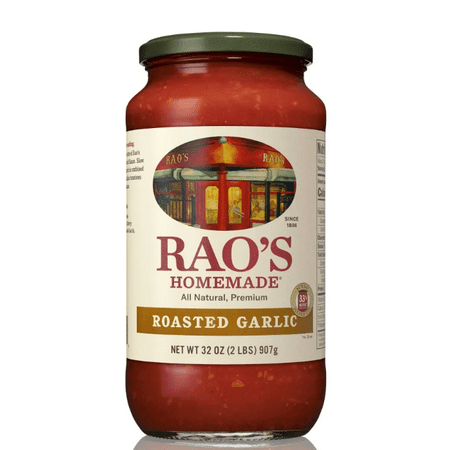
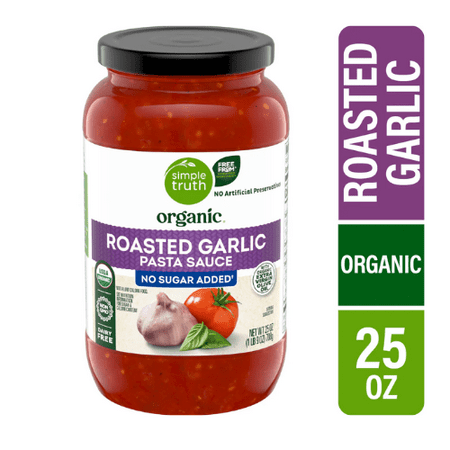

roasted garlic pasta sauce
Analysis updated May 2026 · How Scout scores
At a glance
Summary
This roasted garlic pasta sauce contains beneficial ingredients like diced tomatoes, garlic, and extra virgin olive oil, which contribute to its nutritional value. However, the presence of sunflower oil, a seed oil high in omega-6 fatty acids, is a concern due to its potential to promote inflammation. The product is moderately processed, which limits its score despite the overall clean ingredient list.
Key ingredients 9
Diced tomatoes in juiceVery Good
Diced tomatoes are a rich source of vitamins A and C and provide dietary fiber. They are minimally processed, retaining most of their natural nutrients. The juice adds flavor and moisture without significant processing.
Benefits
Rich in antioxidants like lycopene, which may reduce the risk of chronic diseases. Provides essential vitamins and minerals.
Extra virgin olive oilVery Good
High-quality monounsaturated fat with anti-inflammatory properties. Contains antioxidants that support heart health. Cold-pressed extraction preserves beneficial compounds.
Benefits
Rich in monounsaturated fats that support heart health and provide anti-inflammatory properties. Contains antioxidants like vitamin E and polyphenols that may reduce oxidative stress.
Tomato pureeGood
Tomato puree is made by cooking and straining tomatoes, concentrating their flavor and nutrients. It is a good source of vitamins and antioxidants. The processing is minimal, preserving most of the beneficial compounds.
Benefits
Provides a concentrated source of lycopene and vitamin C, supporting immune function and reducing oxidative stress.
GarlicGood
Garlic is known for its potent anti-inflammatory and antimicrobial properties. It contains allicin, which may help reduce blood pressure and improve heart health. The roasting process enhances its flavor while retaining health benefits.
Benefits
May support cardiovascular health and boost the immune system due to its bioactive compounds.
OnionGood
Onions are rich in antioxidants and have anti-inflammatory properties. They contain quercetin, which may help reduce blood pressure. The natural sugars in onions enhance the sauce's flavor profile.
Benefits
Supports heart health and provides antioxidants that may protect against chronic diseases.
BasilGood
Basil is an herb rich in antioxidants and has anti-inflammatory properties. It adds flavor and aroma to dishes without adding calories. Fresh or dried, it retains beneficial compounds that support health.
Benefits
May support immune function and reduce inflammation due to its antioxidant content.
SaltNeutral
Salt is used to enhance flavor and preserve food. It is a necessary nutrient but should be consumed in moderation to avoid health issues. Excessive intake can lead to hypertension and cardiovascular problems.
Risks
Excessive salt intake can lead to high blood pressure and increased risk of heart disease.
Benefits
Essential for maintaining fluid balance and nerve function in the body.
Modified corn starchNeutral
Modified corn starch is used as a thickening agent in sauces. It is derived from corn and undergoes processing to alter its properties. While it provides texture, it offers little nutritional value.
Benefits
Provides texture and consistency to the sauce without altering flavor.
Sunflower oilVery Bad
Sunflower oil is a seed oil high in omega-6 fatty acids, which can promote inflammation if consumed in excess. It is often refined, which may strip away beneficial nutrients. The high omega-6 content can disrupt the balance of fatty acids in the diet.
Risks
High omega-6 content may promote inflammation when consumed in excess.
Processing
Processed Foods
Get the full breakdown in the Scout appTake Scout shopping
Scan any product to see lab results, healthy alternatives, and your personalized analysis.
Download on theApp Store GET IT ONGoogle PlayAmazon pricing & content
Amazon price as of . Product prices and availability are accurate as of the date/time indicated and are subject to change. Any price and availability information displayed on Amazon.com at the time of purchase will apply to the purchase of this product.
CERTAIN CONTENT THAT APPEARS ON THIS SITE COMES FROM AMAZON. THIS CONTENT IS PROVIDED “AS IS” AND IS SUBJECT TO CHANGE OR REMOVAL AT ANY TIME.