


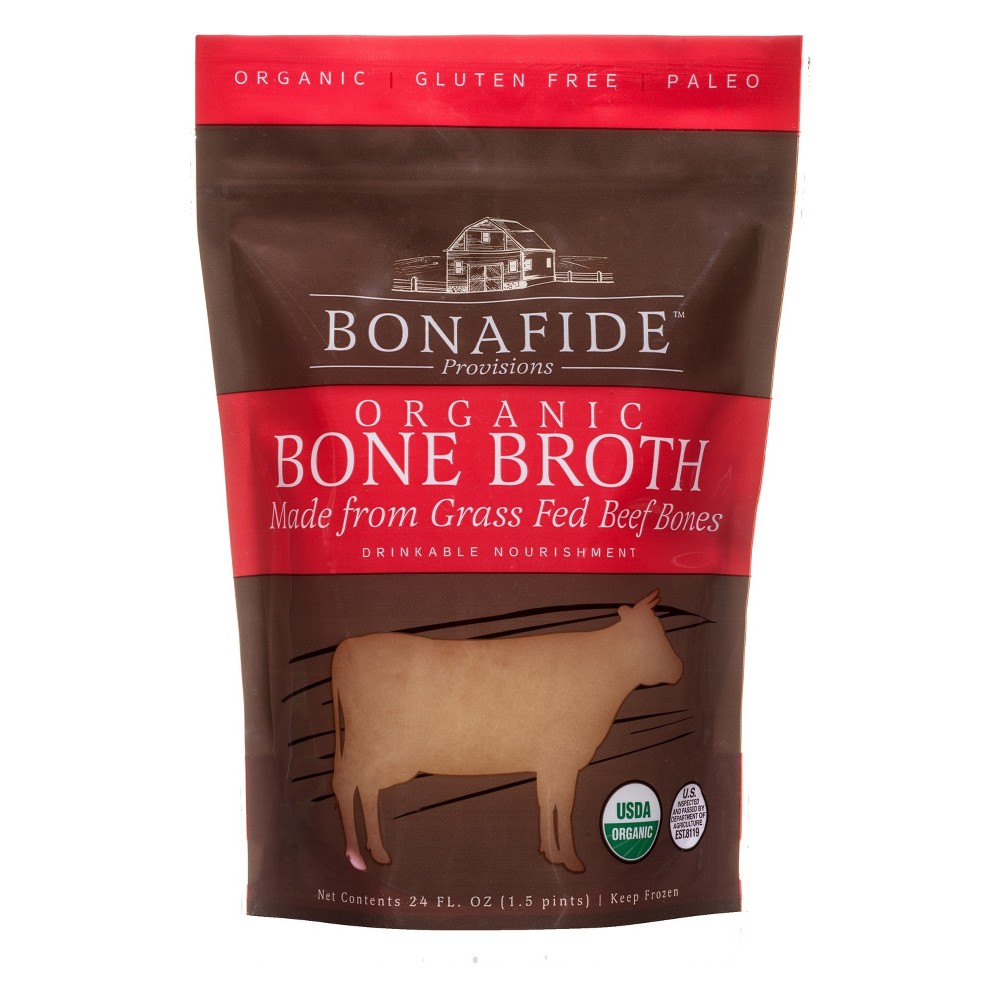
Beef Broth
Analysis updated June 2026 · How Scout scores
At a glance
Summary
This beef broth contains beneficial ingredients like beef broth, beef extract, and apple cider vinegar, which contribute to its nutritional profile. However, the presence of added sugar and natural flavors, which are highly processed and lack transparency, detracts from its overall healthiness. The product is moderately processed, which limits its score despite the inclusion of some high-quality ingredients.
Key ingredients 15
Beef brothGood
Beef broth is a source of collagen and amino acids, which can support joint health and digestion. It is typically made by simmering beef bones and connective tissues, extracting nutrients. The quality of the broth depends on the source of the beef, with grass-fed options being more nutrient-dense.
Benefits
Provides collagen and amino acids that support joint health and digestion.
Beef extractGood
Beef extract is concentrated beef flavor and nutrients, enhancing the taste and nutritional profile of the broth. It is derived from beef and can provide additional protein and minerals. The quality of the extract depends on the beef source, with grass-fed options being preferable.
Benefits
Enhances flavor and provides additional protein and minerals.
Apple cider vinegarGood
Apple cider vinegar is used to help extract minerals from bones during the broth-making process. It is known for its potential health benefits, including aiding digestion and providing acetic acid. Organic, unfiltered varieties contain beneficial enzymes and probiotics.
Risks
Excessive consumption may lead to tooth enamel erosion due to acidity.
Benefits
Aids in mineral extraction and may support digestion.
Sea saltGood
Unrefined sea salt — a minimally processed, natural source of sodium and essential trace minerals, and a legitimate whole-food seasoning. Treated as a positive ingredient.
Risks
Excessive consumption may lead to high blood pressure and related health issues.
Benefits
Contains trace minerals and enhances flavor.
WaterNeutral
Water is used as a solvent and base in broth, contributing to the liquid consistency. It is essential for hydration and does not add calories or nutrients. The quality of water can affect the overall purity of the broth.
Benefits
Essential for hydration and acts as a solvent in the broth.
Onion powderNeutral
Onion powder is used for flavoring and is derived from dehydrated onions. It retains some of the beneficial compounds found in fresh onions, such as antioxidants. However, the processing reduces its overall nutritional content compared to fresh onions.
Benefits
Provides flavor and some antioxidants.
Tomato powderNeutral
Tomato powder is used for flavor and color, made from dehydrated tomatoes. It contains some vitamins and antioxidants like lycopene, though in reduced amounts compared to fresh tomatoes. The drying process concentrates the flavor but diminishes some nutrients.
Benefits
Contains some vitamins and antioxidants like lycopene.
SaltNeutral
Salt is used for seasoning and preservation, enhancing the flavor of the broth. It is essential for various bodily functions but should be consumed in moderation. Excessive intake can lead to health issues such as hypertension.
Risks
Excessive consumption may lead to high blood pressure and related health issues.
Benefits
Essential for bodily functions and enhances flavor.
Potassium chlorideNeutral
Potassium chloride is used as a salt substitute to reduce sodium content while maintaining flavor. It provides potassium, an essential mineral for heart and muscle function. However, excessive intake can lead to hyperkalemia, especially in individuals with kidney issues.
Risks
Excessive intake may lead to hyperkalemia, particularly in individuals with kidney problems.
Benefits
Provides potassium, which is essential for heart and muscle function.
Onion juice concentrateNeutral
Onion juice concentrate is used for flavoring, derived from concentrated onion juice. It retains some of the beneficial compounds found in onions, such as antioxidants. However, the concentration process may reduce its overall nutritional content.
Benefits
Provides flavor and some antioxidants.
Carrot juice concentrateNeutral
Carrot juice concentrate is used for flavor and color, made from concentrated carrot juice. It contains some vitamins and antioxidants like beta-carotene, though in reduced amounts compared to fresh carrots. The concentration process enhances flavor but diminishes some nutrients.
Benefits
Contains some vitamins and antioxidants like beta-carotene.
SugarBad
Sugar is added for flavor enhancement but provides empty calories with no nutritional benefits. It can contribute to increased blood sugar levels and potential weight gain. Excessive sugar intake is linked to various health issues, including obesity and diabetes.
Risks
May contribute to obesity, diabetes, and other metabolic disorders when consumed in excess.
Yeast extractBad
Concentrated glutamate source — MSG-adjacent flavor enhancer.
Risks
May cause sensitivity reactions in individuals sensitive to glutamates.
Benefits
Provides umami flavor and is a source of B vitamins.
Natural flavorsBad
Natural flavors are used to enhance taste but are often vague and can include a variety of chemical compounds. They are highly processed and can contain allergens or additives not disclosed on labels. The lack of transparency makes it difficult to assess their health impact.
Risks
May contain undisclosed allergens or additives, posing risks to sensitive individuals.
MaltodextrinBad
Processed additive flagged under Scout's ingredient doctrine.
Risks
May cause spikes in blood sugar levels due to its high glycemic index.
Benefits
Provides quick energy but lacks significant nutritional benefits.
Processing
Processed Foods
Get the full breakdown in the Scout appTake Scout shopping
Scan any product to see lab results, healthy alternatives, and your personalized analysis.
Download on theApp Store GET IT ONGoogle PlayAmazon pricing & content
Amazon price as of . Product prices and availability are accurate as of the date/time indicated and are subject to change. Any price and availability information displayed on Amazon.com at the time of purchase will apply to the purchase of this product.
CERTAIN CONTENT THAT APPEARS ON THIS SITE COMES FROM AMAZON. THIS CONTENT IS PROVIDED “AS IS” AND IS SUBJECT TO CHANGE OR REMOVAL AT ANY TIME.