
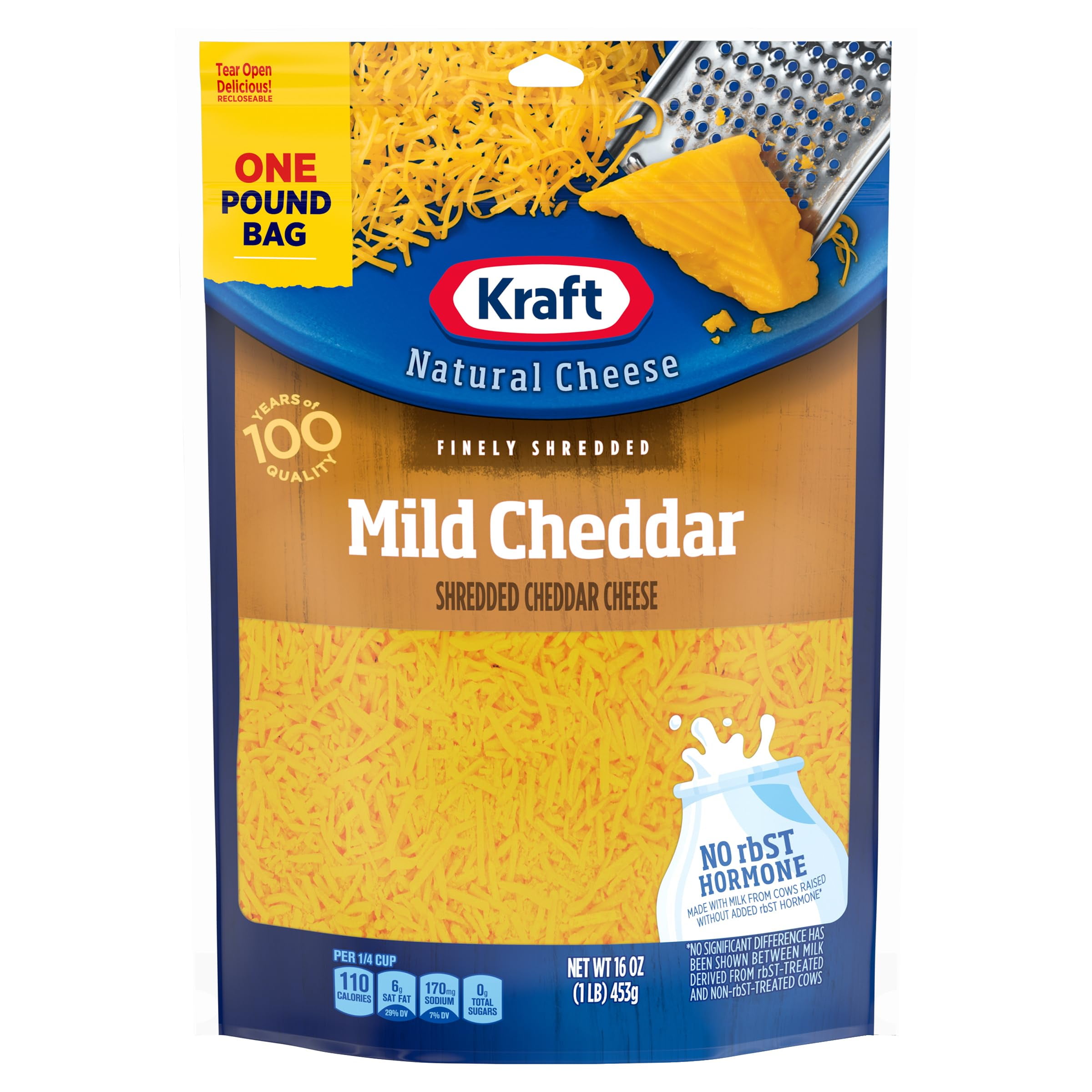


Shredded Mild Cheddar Cheese
Analysis updated August 2026 · How Scout scores
At a glance
Summary
This shredded mild cheddar cheese is ultra-processed, which limits its score despite having cheddar cheese as a beneficial ingredient. The presence of anti-caking agents and natamycin, while generally safe, adds to the processing level without contributing nutritional value. The product's processing level and use of additives prevent it from achieving a higher score.
Key ingredients 9
Cheddar cheeseGood
Cheddar cheese is a source of high-quality protein and calcium. It is made from milk and contains beneficial nutrients like vitamin A and B12. The aging process enhances its flavor and nutritional profile.
Risks
Contains saturated fats which should be consumed in moderation to avoid cardiovascular risks.
Benefits
Provides essential nutrients such as calcium and protein, supporting bone health and muscle maintenance.
MilkGood
Whole dairy ingredient.
Risks
May cause digestive issues for individuals with lactose intolerance.
Benefits
Rich in calcium and protein, supporting bone and muscle health.
SaltNeutral
Salt is used in cheese for flavor and preservation. It is a common culinary ingredient but should be consumed in moderation. Excessive salt intake can lead to health issues such as hypertension.
Risks
High sodium intake can increase the risk of hypertension and cardiovascular diseases.
Benefits
Enhances flavor and acts as a preservative in cheese.
Microbial enzymesNeutral
Microbial enzymes are used in cheese making to coagulate milk. They are an alternative to animal rennet and suitable for vegetarians. These enzymes do not significantly alter the nutritional profile of cheese.
Benefits
Suitable for vegetarian diets and aids in the cheese-making process.
AnnattoNeutral
Annatto is a natural coloring agent derived from seeds. It is used to give cheese its characteristic yellow-orange color. Annatto is generally considered safe with minimal health concerns.
Risks
Rarely, it may cause allergic reactions in sensitive individuals.
Benefits
Provides natural color without synthetic additives.
Potato starchNeutral
Potato starch is used as a thickener and anti-caking agent. It is a natural ingredient derived from potatoes. It does not significantly impact the nutritional value of cheese.
Benefits
Helps prevent clumping and maintains texture in shredded cheese.
Tapioca starchNeutral
Tapioca starch is used as a thickener and anti-caking agent. It is derived from the cassava root and is gluten-free. It does not alter the nutritional profile of cheese significantly.
Benefits
Maintains texture and prevents clumping in shredded cheese.
Anti-caking blendBad
Anti-caking agents prevent clumping in shredded cheese. They are often synthetic and can include additives like silicon dioxide. These agents do not provide nutritional benefits and are used purely for texture.
Risks
May contain synthetic additives that some consumers prefer to avoid.
Benefits
Helps maintain the texture and flow of shredded cheese.
NatamycinBad
Natamycin is a preservative used to prevent mold growth on cheese. It is a natural antifungal agent but is still considered an additive. While generally recognized as safe, it does not contribute to nutritional value.
Risks
May cause allergic reactions in sensitive individuals.
Benefits
Prevents spoilage and extends the shelf life of cheese.
Processing
Ultra-Processed Foods
Get the full breakdown in the Scout appTake Scout shopping
Scan any product to see lab results, healthy alternatives, and your personalized analysis.
Download on theApp Store GET IT ONGoogle PlayAmazon pricing & content
Amazon price as of . Product prices and availability are accurate as of the date/time indicated and are subject to change. Any price and availability information displayed on Amazon.com at the time of purchase will apply to the purchase of this product.
CERTAIN CONTENT THAT APPEARS ON THIS SITE COMES FROM AMAZON. THIS CONTENT IS PROVIDED “AS IS” AND IS SUBJECT TO CHANGE OR REMOVAL AT ANY TIME.