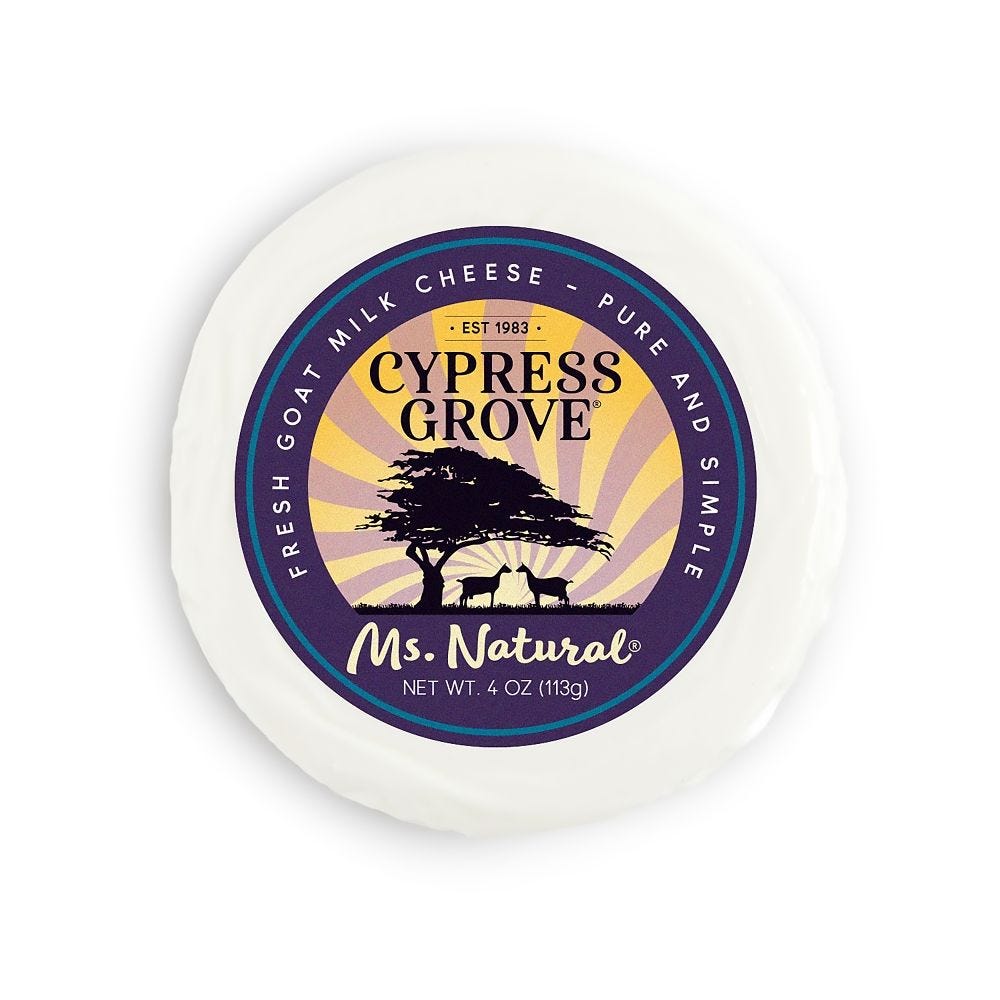
Honey goat cheese

At a glance
Summary
This honey goat cheese is made from cultured pasteurized goat's milk and honey, both of which are high-quality ingredients. The product is processed, which limits its score, but it avoids harmful additives and seed oils, maintaining a relatively clean label. The presence of natural sweeteners like honey adds some sugar, but the overall ingredient quality remains strong. Its plastic packaging can shed microplastics into the food and lowers its score.
Key ingredients 5
Cultured Pasteurized Goat's MilkGood
Goat's milk is a high-quality source of protein and essential nutrients. It is easier to digest than cow's milk for some individuals due to its different protein structure. Pasteurization ensures safety by eliminating harmful bacteria.
Risks
Some individuals may have allergies or intolerances to goat's milk proteins.
Benefits
Rich in calcium, vitamin D, and medium-chain fatty acids that support bone health and energy metabolism.
HoneyGood
Honey is a natural sweetener with antioxidant and antimicrobial properties. It contains trace amounts of vitamins and minerals. Raw honey retains more beneficial enzymes and nutrients compared to processed sugars.
Risks
High sugar content can contribute to weight gain and blood sugar spikes if consumed in excess.
Benefits
Provides natural sweetness with potential health benefits from antioxidants and trace nutrients.
Honey PowderNeutral
Honey powder is a dehydrated form of honey mixed with cane sugar. It provides sweetness with some of the natural benefits of honey. The processing reduces some of the beneficial enzymes and antioxidants found in raw honey.
Risks
Contains added sugars which can contribute to excessive calorie intake if consumed in large amounts.
Benefits
Offers a natural sweetening option with some trace nutrients from honey.
SaltNeutral
Salt is used as a seasoning and preservative in cheese. It enhances flavor and helps in the cheese aging process. Regular table salt does not provide additional trace minerals found in unrefined salts.
Risks
Excessive sodium intake can lead to high blood pressure and cardiovascular issues.
Benefits
Essential for maintaining fluid balance and nerve function in the body.
EnzymesNeutral
Enzymes are used in cheese production to aid in the coagulation of milk. They are essential for the development of cheese texture and flavor. Typically derived from microbial or animal sources, they are a standard part of cheese making.
Benefits
Crucial for the cheese-making process, contributing to the final product's texture and flavor.
Processing
Processed Foods
Get the full breakdown in the Scout appTake Scout shopping
Scan any product to see lab results, healthy alternatives, and your personalized analysis.