




Near you
Wegmans is carried at Wegmans stores. Find one within 25 miles.
At a glance
Summary
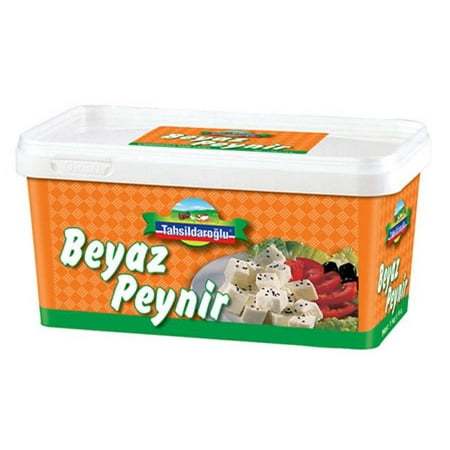
This crumbled feta cheese is made from pasteurized cow's milk, which provides a good source of protein and calcium. The product includes minimal additives, with potato starch added to prevent caking, which is a common practice in processed cheeses. While it is processed, the ingredient list is relatively clean, contributing to a favorable score within its category.
Key ingredients 5
Pasteurized cows milkGood
Pasteurized cows milk is a primary source of protein and calcium, essential for bone health. The pasteurization process ensures safety by eliminating harmful bacteria while retaining nutritional value. It is a high-quality animal-based protein providing a complete amino acid profile.
Risks
Some individuals may be lactose intolerant or allergic to cow's milk proteins.
Benefits
Rich in protein and calcium, supporting bone health and muscle function. Provides essential amino acids necessary for various bodily functions.
Cheese cultureGood
Cheese culture is essential for the fermentation process, contributing to the development of flavor and texture. It consists of beneficial bacteria that aid in the cheese-making process. These cultures can also support gut health by promoting beneficial bacteria.
Benefits
Contributes to the development of flavor and texture in cheese. May support gut health by promoting beneficial bacteria.
SaltNeutral
Salt is used as a preservative and flavor enhancer in cheese. It is a refined ingredient without the trace minerals found in unrefined salts. While necessary for flavor, excessive consumption can lead to health issues.
Risks
High sodium intake can contribute to hypertension and cardiovascular issues.
Benefits
Enhances flavor and acts as a preservative, extending the shelf life of the cheese.
EnzymesNeutral
Enzymes are used in cheese-making to coagulate milk, forming curds. They are typically derived from animal or microbial sources. While essential for cheese production, they do not provide additional nutritional benefits.
Benefits
Essential for the cheese-making process, aiding in milk coagulation and curd formation.
Potato starchNeutral
Potato starch is added to prevent caking in crumbled cheese products. It is a refined carbohydrate with minimal nutritional value. While it serves a functional purpose, it does not contribute to the nutritional profile of the cheese.
Benefits
Prevents caking, ensuring the cheese remains free-flowing and easy to use.
Processing
Processed Foods
Get the full breakdown in the Scout appTake Scout shopping
Scan any product to see lab results, healthy alternatives, and your personalized analysis.
Download on theApp Store GET IT ONGoogle Play