

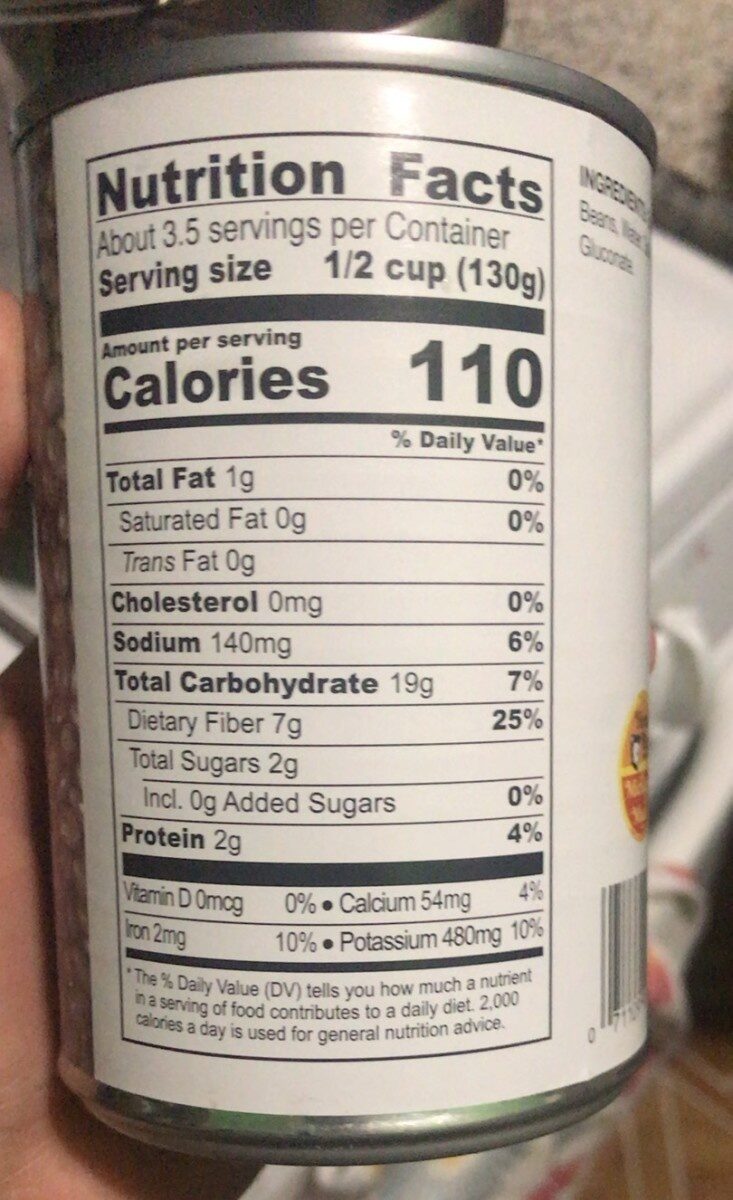

TOMATOES OKRA AND CORN
Analysis updated August 2026 · How Scout scores
At a glance
Summary
This product contains beneficial ingredients like tomatoes, okra, and dehydrated garlic, which are minimally processed and provide nutritional benefits. However, the presence of added sugar and the processed nature of the product limit its healthfulness. The use of citric acid as an additive is minimal, but the overall processing level prevents a higher score.
Key ingredients 11
TomatoesGood
Tomatoes are rich in vitamins A and C and contain antioxidants like lycopene. They are minimally processed and retain most of their nutritional value. Their natural sugars and acids contribute to flavor and health benefits.
Benefits
Rich in antioxidants and vitamins that support immune function and skin health.
OkraGood
Okra is a good source of fiber, vitamins, and minerals. It is minimally processed and retains its nutritional benefits. The mucilage in okra can aid in digestion and provide a unique texture.
Benefits
Provides dietary fiber and essential nutrients that support digestive health.
CornGood
Beneficial ingredient — whole-food or functional value in this product class.
Risks
Potential allergen for some individuals.
Benefits
Provides energy and some essential nutrients.
Dehydrated OnionGood
Dehydrated onion retains many of the nutrients found in fresh onions, including vitamins and antioxidants. It adds flavor and potential health benefits to dishes. The dehydration process concentrates its nutrients.
Benefits
Contains antioxidants and compounds that may support heart health.
Dehydrated GarlicGood
Dehydrated garlic retains the health benefits of fresh garlic, including allicin, which has antimicrobial properties. It is a concentrated source of flavor and nutrients. The dehydration process preserves its beneficial compounds.
Benefits
May support immune function and cardiovascular health.
WaterNeutral
Water is used as a solvent and carrier in food products. It does not provide nutritional value but is essential for maintaining moisture and texture. It is a neutral ingredient with no direct health impacts.
See more about Water →SaltNeutral
Salt is used for flavor enhancement and preservation. It is necessary for bodily functions but should be consumed in moderation. Excessive intake can lead to hypertension.
Risks
High sodium intake can increase blood pressure and risk of cardiovascular disease.
Benefits
Essential for maintaining fluid balance and nerve function.
SpiceNeutral
Spices are used to enhance flavor and may provide some health benefits. The specific type of spice is not identified, which limits detailed analysis. Generally, spices can offer antioxidants and anti-inflammatory properties.
Risks
Potential allergen for some individuals depending on the spice used.
Benefits
May provide antioxidants and enhance flavor.
Citric AcidNeutral
Citric acid is a natural preservative and flavor enhancer. It is commonly used in food processing to maintain freshness and acidity. It is generally recognized as safe when used in moderation.
Risks
Excessive consumption may cause gastrointestinal discomfort.
Benefits
Helps preserve food and enhance flavor.
Calcium ChlorideNeutral
Calcium chloride is used as a firming agent in canned foods. It helps maintain texture and is generally recognized as safe. It does not provide significant nutritional benefits.
Benefits
Helps maintain the firmness and texture of canned vegetables.
SugarBad
Refined sugar is associated with increased risk of obesity and metabolic disorders. It is added for sweetness but offers no nutritional benefits. Excessive consumption can lead to health issues.
Risks
High intake can contribute to weight gain and insulin resistance.
Processing
Processed Foods
Get the full breakdown in the Scout appTake Scout shopping
Scan any product to see lab results, healthy alternatives, and your personalized analysis.
Download on theApp Store GET IT ONGoogle Play