


At a glance
Summary
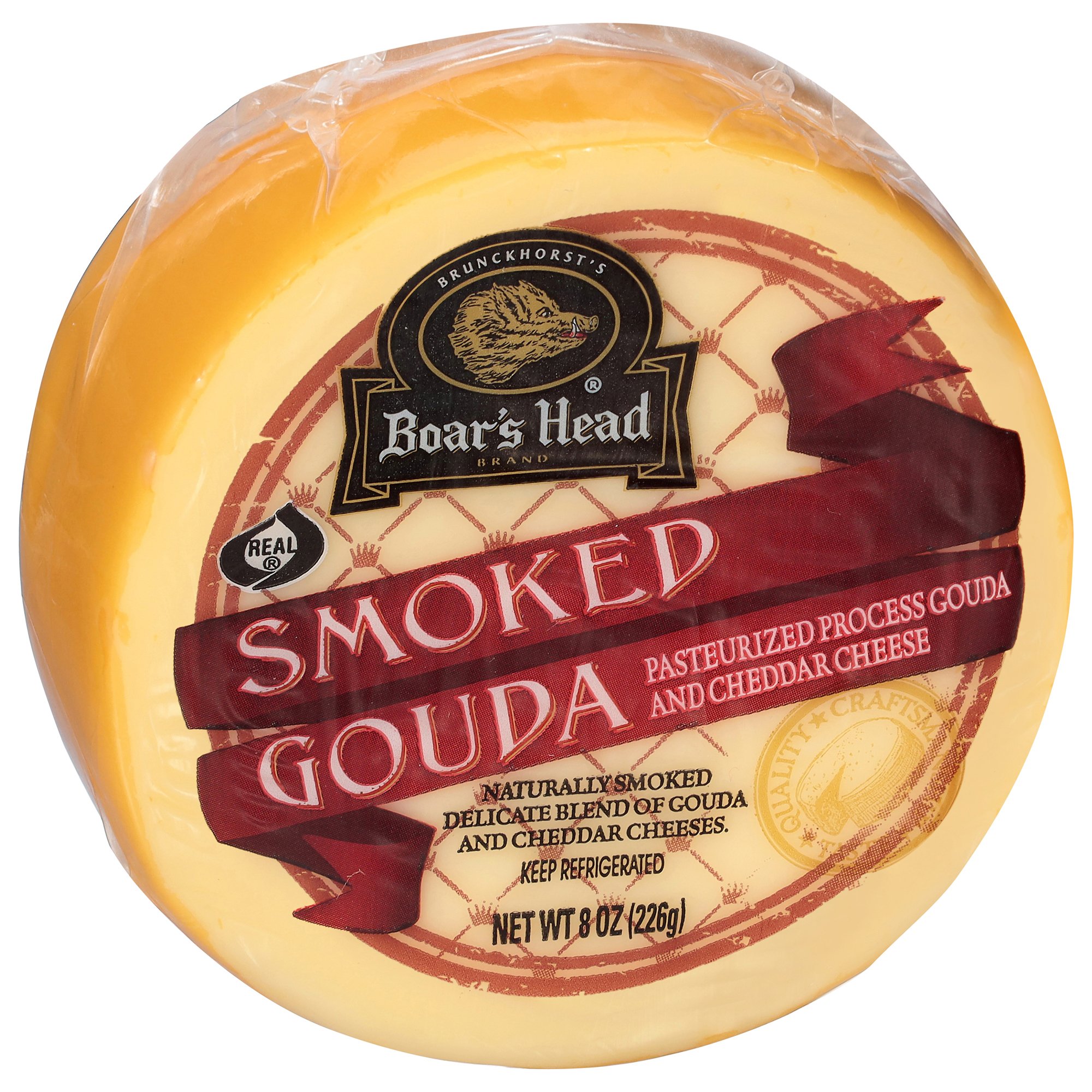
This smoked gouda cheese is a processed product containing traditional cheese ingredients like milk, cheese culture, salt, and enzymes, which are beneficial. However, the presence of sodium phosphate as an emulsifier and calcium propionate as a preservative indicates a higher level of processing. These additives can have potential health concerns, such as affecting kidney function and bone health, which impacts the overall score.
Key ingredients 5
Gouda And Cheddar CheeseGood
Gouda and Cheddar cheese are traditional dairy products rich in protein and calcium. They are made from milk, cheese culture, salt, and enzymes, which are standard ingredients in cheese production. These cheeses provide essential nutrients and are generally considered beneficial when consumed in moderation.
Risks
High in saturated fats and sodium, which may contribute to cardiovascular issues if consumed excessively.
Benefits
Rich in calcium and protein, supporting bone health and muscle maintenance.
WaterNeutral
Water is used as a processing aid and does not contribute significant nutritional value. It is a common ingredient in many food products to adjust texture and consistency. Water itself poses no health risks or benefits in this context.
See more about Water →Nonfat MilkNeutral
Nonfat milk is used to adjust the fat content and texture of the cheese. It provides protein and calcium without the added fat found in whole milk. While it contributes to the nutritional profile, it is less beneficial than whole milk due to the absence of healthy fats.
Benefits
Provides protein and calcium, supporting bone health.
Calcium PropionateNeutral
Calcium propionate is a preservative used to extend shelf life by inhibiting mold growth. It is generally recognized as safe in small quantities but does not provide nutritional benefits. Its use is common in processed foods to maintain freshness.
Benefits
Prevents mold growth, extending the product's shelf life.
Sodium PhosphateBad
Sodium phosphate is used as an emulsifier and stabilizer in processed foods. It can contribute to an increased intake of phosphates, which may affect kidney function and bone health if consumed in large amounts. Its presence in processed foods is often viewed negatively due to potential health concerns.
Risks
Excessive intake may lead to imbalances in phosphate levels, affecting kidney function and bone health.
Benefits
Helps maintain texture and stability in processed foods.
Processing
Processed Foods
Get the full breakdown in the Scout appTake Scout shopping
Scan any product to see lab results, healthy alternatives, and your personalized analysis.
Download on theApp Store GET IT ONGoogle Play