


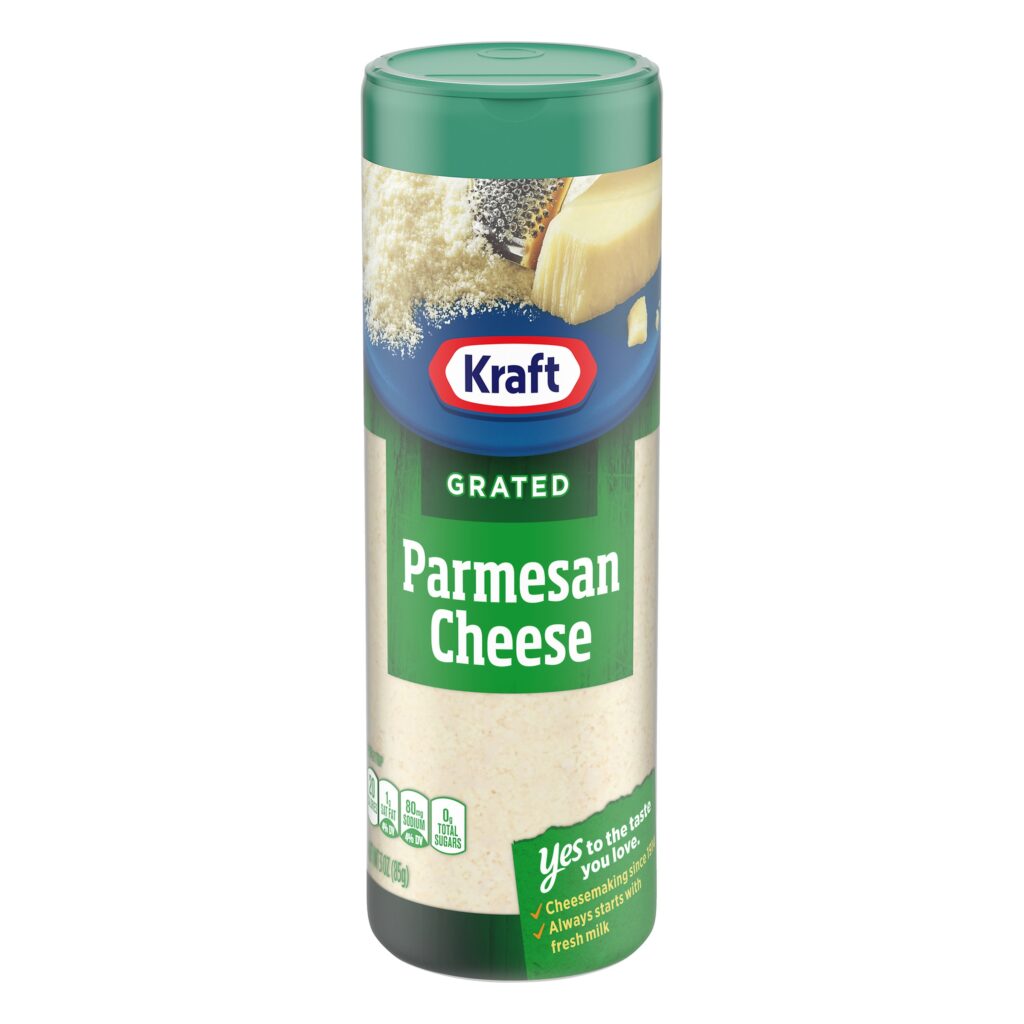

At a glance
Summary
This grated parmesan cheese is made from high-quality dairy ingredients like pasteurized milk and cream, which provide essential nutrients such as protein and calcium. The product is moderately processed, but it avoids harmful additives and maintains a clean ingredient list, contributing to its favorable rating. However, the presence of modified milk substances and the processing level slightly limit its score potential.
Key ingredients 8
Pasteurized milkVery Good
Pasteurized milk is a primary ingredient in cheese, providing essential nutrients like calcium and protein. The pasteurization process ensures safety by eliminating harmful bacteria. It is a high-quality source of animal protein with a complete amino acid profile.
Benefits
Rich in calcium and protein, supporting bone health and muscle maintenance.
Ultrafiltered skim milkGood
Ultrafiltered skim milk is used to concentrate proteins and reduce fat content in cheese. This process enhances the nutritional profile by increasing protein density. It is beneficial for those seeking high-protein, low-fat dairy options.
Benefits
Provides a concentrated source of protein with reduced fat content.
CreamGood
Cream adds richness and flavor to cheese, contributing to its creamy texture. It is a source of saturated fats, which are essential in moderation for energy and cellular functions. The quality of cream can enhance the overall taste and mouthfeel of the cheese.
Risks
Excessive consumption of saturated fats may contribute to cardiovascular issues.
Benefits
Enhances flavor and texture, providing essential fats for energy.
Modified milk ingredientsNeutral
Modified milk ingredients are used to adjust the texture and consistency of cheese. They are processed to achieve specific functional properties in dairy products. While they serve a purpose in food processing, they do not offer significant nutritional benefits.
See more about Modified milk ingredients →SaltNeutral
Salt is used in cheese for flavor enhancement and preservation. It helps control microbial growth and contributes to the cheese's taste profile. While necessary in cheese making, excessive salt intake can lead to health issues.
Risks
High sodium intake can increase the risk of hypertension and cardiovascular diseases.
Benefits
Essential for flavor and preservation in cheese making.
Calcium chlorideNeutral
Calcium chloride is used in cheese making to improve curd formation and texture. It is a common additive in dairy processing to enhance the firmness of the final product. It does not significantly impact the nutritional value of the cheese.
Benefits
Improves curd formation and texture in cheese making.
LipaseNeutral
Lipase is an enzyme used to develop specific flavors in cheese. It aids in the breakdown of fats, contributing to the characteristic taste of certain cheeses. While it enhances flavor, it does not provide direct nutritional benefits.
Benefits
Enhances flavor development in cheese.
Microbial enzymeNeutral
Microbial enzymes are used as a rennet substitute in cheese making to coagulate milk. They are derived from microbial sources and are essential for cheese production. These enzymes are a vegetarian-friendly alternative to animal rennet.
Benefits
Facilitates cheese production and is suitable for vegetarian diets.
Processing
Processed Foods
Get the full breakdown in the Scout appTake Scout shopping
Scan any product to see lab results, healthy alternatives, and your personalized analysis.
Download on theApp Store GET IT ONGoogle Play