
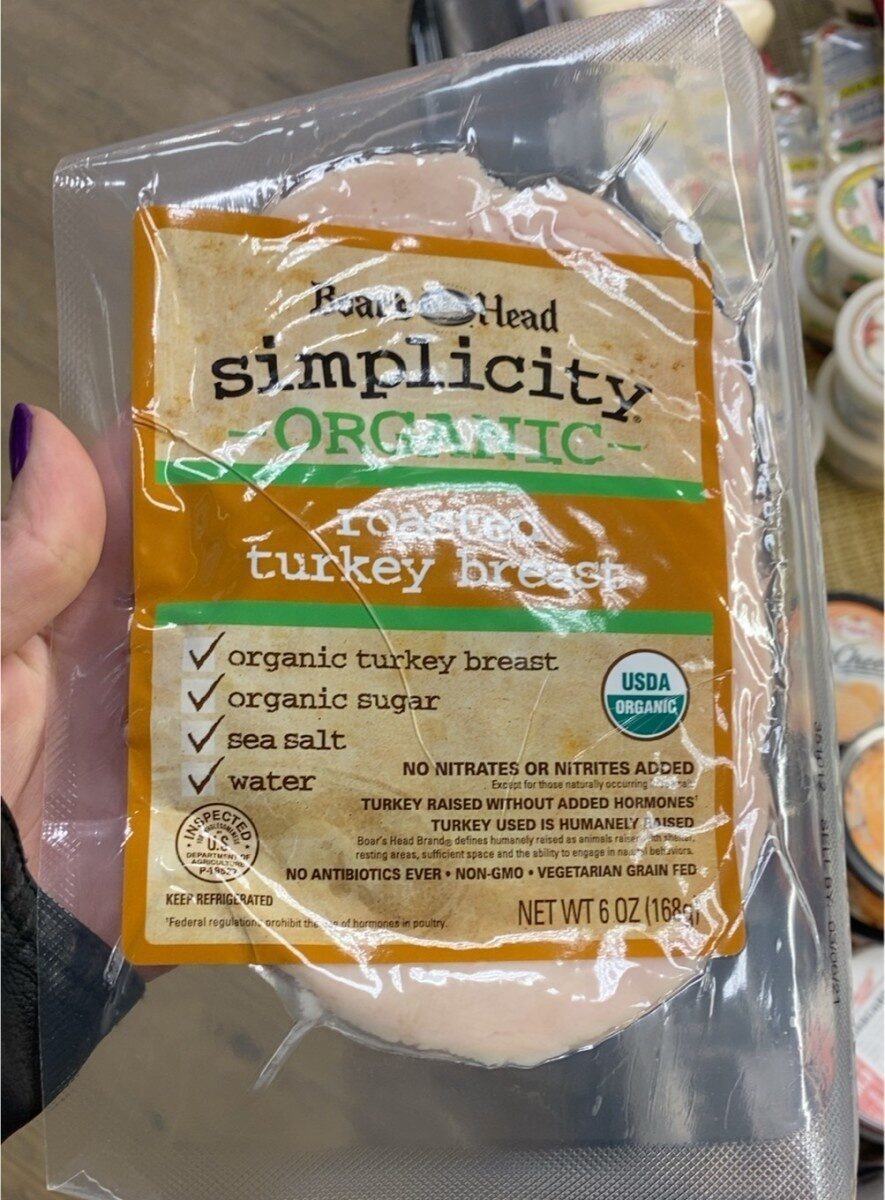

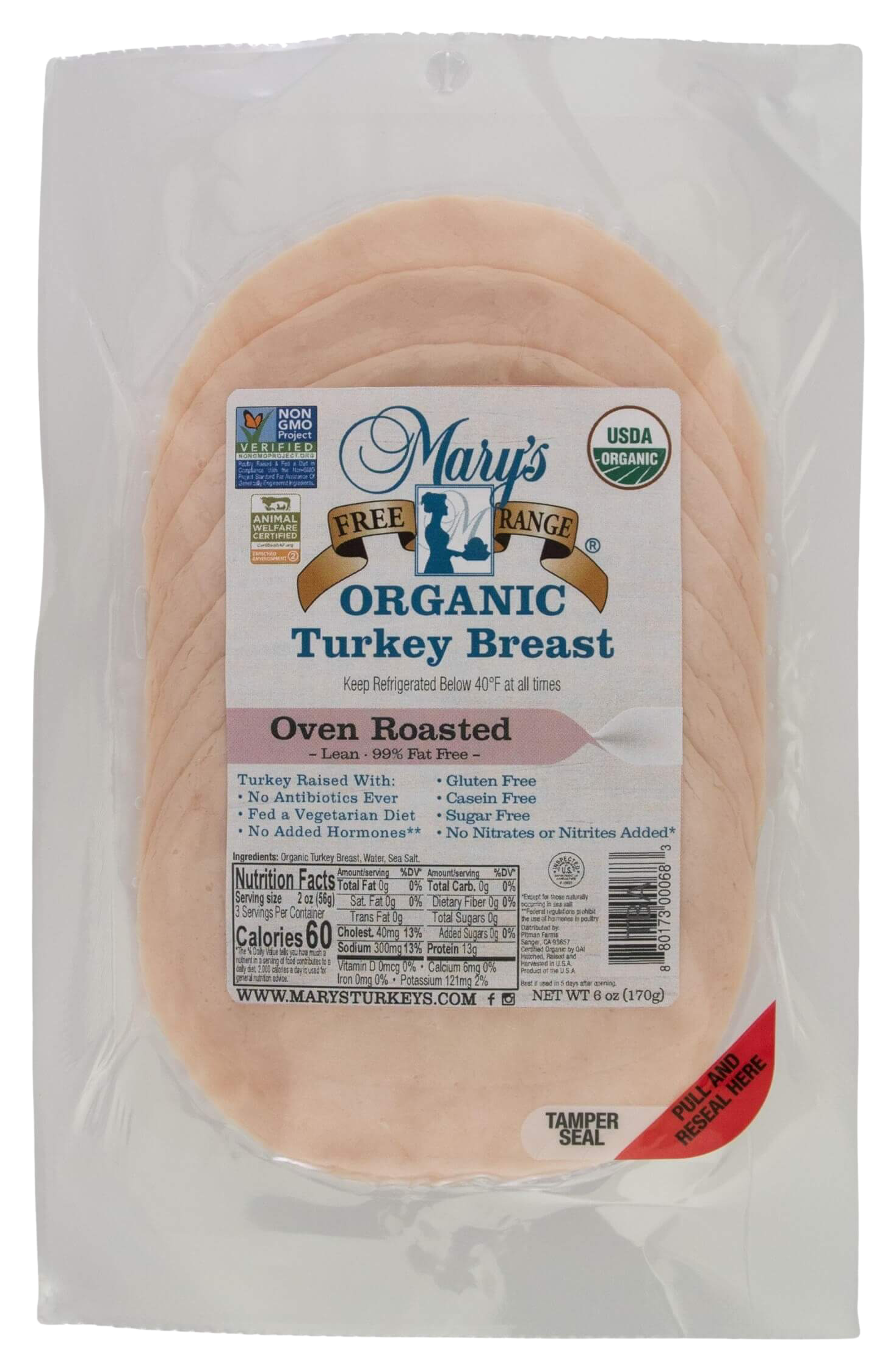


Boar's Head Roasted Turkey Breast
Analysis updated September 2026 · How Scout scores
At a glance
Summary
This roasted turkey breast product contains beneficial ingredients like turkey breast, sea salt, lemon juice concentrate, and rosemary extract, which contribute to its nutritional value and natural preservation. However, the presence of refined sugar and sodium phosphate indicates a higher level of processing and potential health concerns, such as increased risk of chronic diseases and effects on kidney function. The processing level and inclusion of these additives limit the overall health score.
Key ingredients 11
Turkey BreastGood
Turkey breast is a high-quality source of lean protein. It provides essential amino acids necessary for muscle repair and growth. As a minimally processed meat, it is a healthier option compared to processed meats.
Benefits
Rich in protein and low in fat, making it a healthy choice for maintaining muscle mass and supporting weight management.
Sea SaltGood
Sea salt is a natural source of sodium and trace minerals. It is less processed than table salt and can enhance flavor. Its mineral content can provide additional health benefits compared to refined salt.
Risks
Excessive consumption can lead to high blood pressure and cardiovascular issues.
Benefits
Contains trace minerals that can support overall health.
Rosemary ExtractGood
Rosemary extract is a natural antioxidant that can extend the shelf life of foods. It contains compounds that may have anti-inflammatory and antimicrobial properties. Its use as a natural preservative is preferable to synthetic alternatives.
Benefits
Provides antioxidants that can protect cells from damage and support overall health.
WaterNeutral
Water is used as a processing aid and does not contribute nutritional value. It helps maintain moisture in the product. As a neutral ingredient, it poses no health risks or benefits.
See more about Water →SaltNeutral
Salt is used for flavor enhancement and preservation. It is a common culinary ingredient but can contribute to high sodium intake. Moderation is key to avoid potential health issues related to excessive sodium consumption.
Risks
Excessive consumption can lead to high blood pressure and cardiovascular issues.
Benefits
Enhances flavor and acts as a preservative in food products.
Honey SolidsNeutral
Honey solids are a dehydrated form of honey used as a sweetener. They provide some antioxidants and trace nutrients. However, they should be consumed in moderation due to their sugar content.
Risks
High sugar content can contribute to weight gain and dental issues if consumed in excess.
Benefits
Contains antioxidants and trace nutrients that can offer health benefits.
Lemon Juice ConcentrateNeutral
Standard formulation ingredient — neither beneficial nor harmful at typical use.
Benefits
Rich in vitamin C and antioxidants, supporting immune function and skin health.
SugarBad
Refined sugar is associated with various health issues, including obesity and metabolic syndrome. It provides empty calories without essential nutrients. Frequent consumption can lead to increased risk of chronic diseases.
Risks
High intake can contribute to weight gain, insulin resistance, and dental cavities.
Sodium PhosphateBad
Sodium phosphate is used as a preservative and emulsifier in processed foods. It can affect kidney function and bone health when consumed in large amounts. Its presence indicates a higher level of processing.
Risks
Excessive intake may lead to imbalances in phosphate levels, affecting kidney and bone health.
Benefits
Helps maintain moisture and texture in processed foods.
DextroseBad
Refined added sugar.
Risks
Excessive consumption can lead to spikes in blood sugar levels.
Benefits
Provides a quick source of energy.
Organic SugarBad
Processed additive flagged under Scout's ingredient doctrine.
Risks
Excessive consumption can lead to weight gain and metabolic issues.
Benefits
Organic certification may reduce exposure to pesticides and chemicals.
Processing
Processed Foods
Get the full breakdown in the Scout appTake Scout shopping
Scan any product to see lab results, healthy alternatives, and your personalized analysis.
Download on theApp Store GET IT ONGoogle Play