
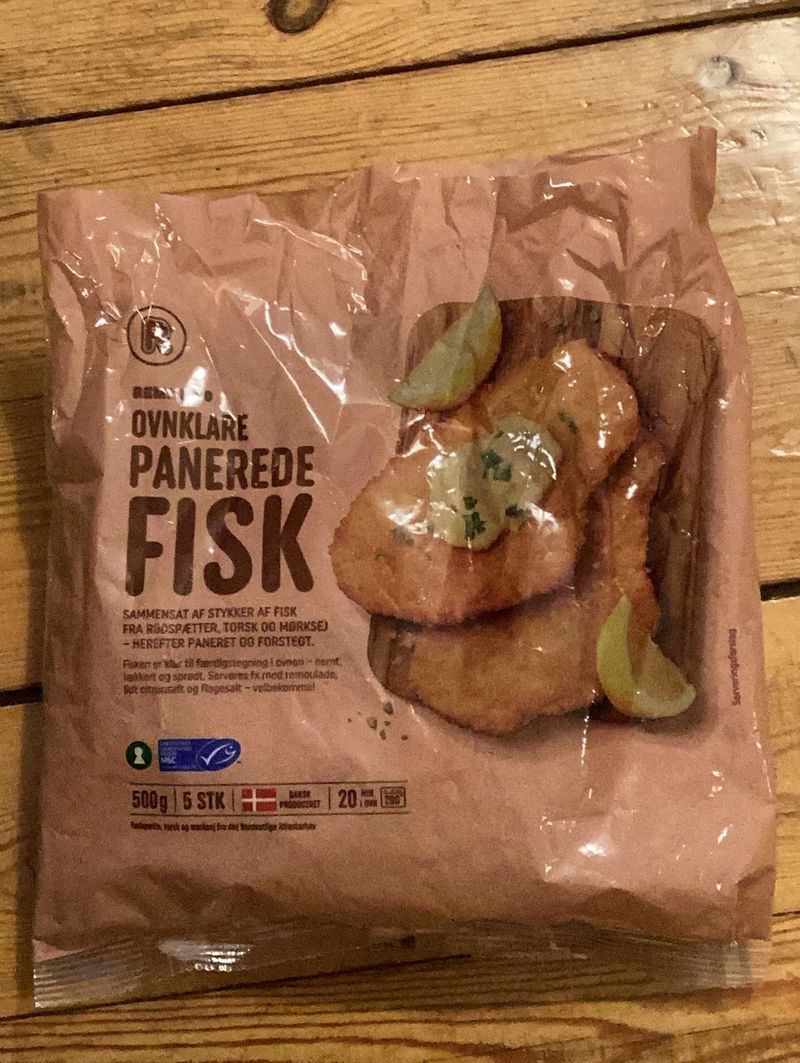


At a glance
Summary
This product contains rapeseed oil, a seed oil that is heavily processed and may contribute to inflammation, which negatively impacts its health score. The product is processed, limiting its potential score, and includes modified starch and other additives that further reduce its rating. Despite these factors, it provides a decent protein content, which is a redeeming quality.
Key ingredients 11
FishNeutral
Fish is a good source of protein and omega-3 fatty acids. The quality depends on the type of fish and its sourcing. Without specific details, it is considered a neutral ingredient.
Risks
Potential risks include mercury contamination depending on the fish type.
Benefits
Provides essential nutrients like protein and omega-3 fatty acids.
SaltNeutral
Salt is used for flavor enhancement and preservation. It is a necessary nutrient but should be consumed in moderation. Excessive intake can lead to health issues.
Risks
High sodium intake can contribute to hypertension and cardiovascular issues.
Benefits
Essential for maintaining fluid balance and nerve function.
YeastNeutral
Yeast is used as a leavening agent in baking. It helps dough rise and adds flavor. It is generally considered neutral in small amounts.
Benefits
Contributes to the texture and flavor of baked goods.
WaterNeutral
Water is used as a solvent and to adjust consistency. It is a neutral ingredient with no direct nutritional impact. It is essential for hydration but does not contribute to the nutritional profile of the product.
Benefits
Essential for hydration and bodily functions.
Corn flourNeutral
Corn flour is used for breading and thickening. It provides carbohydrates and is gluten-free. It is considered neutral unless there are specific dietary restrictions.
Benefits
Provides carbohydrates and is a gluten-free alternative to wheat flour.
Wheat fiberNeutral
Wheat fiber is added for texture and fiber content. It aids in digestion and adds bulk to the product. It is considered neutral due to its functional role.
Risks
May cause digestive discomfort in sensitive individuals.
Benefits
Contributes to dietary fiber intake, supporting digestive health.
Modified starchNeutral
Modified starch is used as a thickener and stabilizer. It is processed to improve its functional properties. It is generally considered neutral in small amounts.
Benefits
Improves texture and stability of the product.
Onion powderNeutral
Onion powder is used for flavoring. It is a dehydrated form of onion and retains some nutritional properties. It is considered neutral due to its minimal impact in small amounts.
Benefits
Adds flavor and some antioxidants to the product.
Dried corianderNeutral
Dried coriander is used for flavoring and has antioxidant properties. It is a spice that adds aroma and taste. It is considered neutral due to its minimal impact in small amounts.
Benefits
Provides antioxidants and enhances flavor.
Wheat flourBad
Refined grain flour stripped of bran and germ.
Risks
May cause issues for individuals with gluten intolerance or celiac disease.
Benefits
Provides carbohydrates for energy.
Rapeseed oilVery Bad
Rapeseed oil, also known as canola oil, is a seed oil high in omega-6 fatty acids. It is heavily processed and may contribute to inflammation. It is classified as very bad due to its processing and health concerns.
Risks
High omega-6 content may promote inflammation when consumed in excess.
Processing
Processed Foods
Get the full breakdown in the Scout appTake Scout shopping
Scan any product to see lab results, healthy alternatives, and your personalized analysis.
Download on theApp Store GET IT ONGoogle Play