


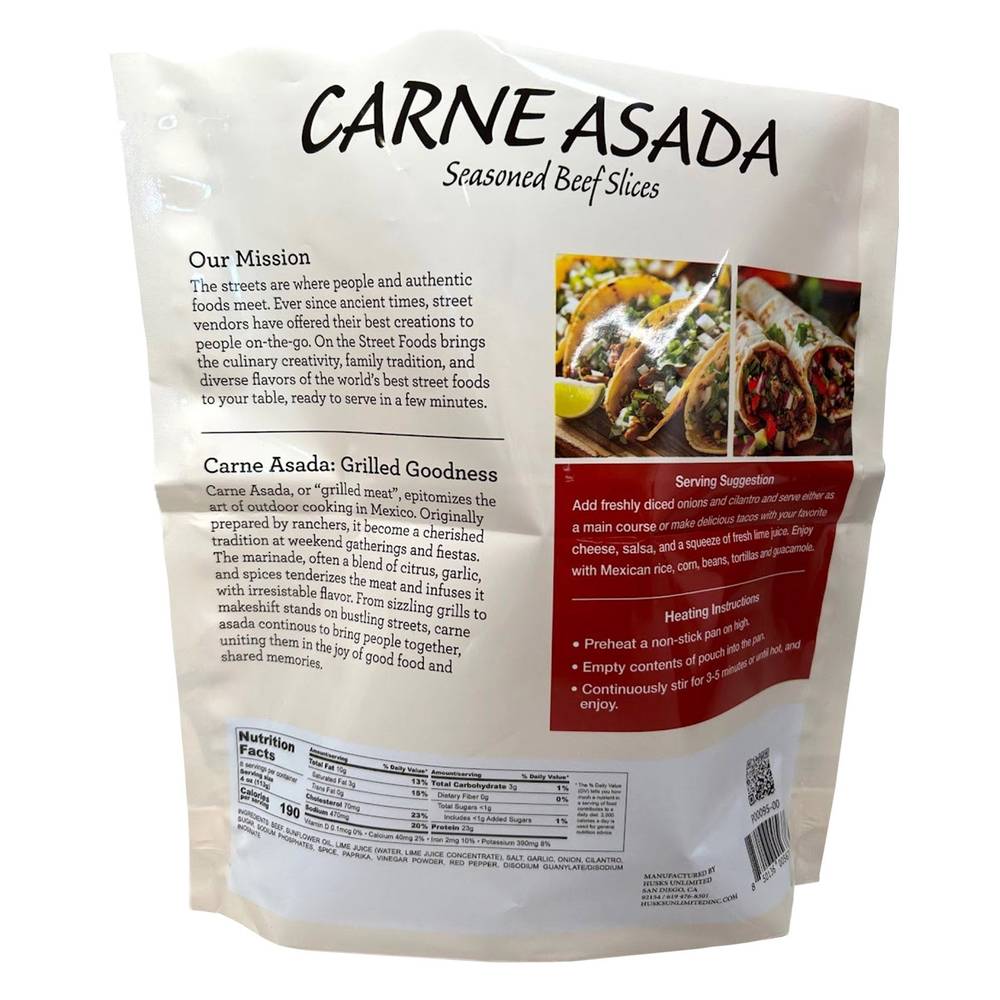

At a glance
Summary
This product is ultra-processed, which limits its potential health score. While it contains a high percentage of beef, providing quality protein, the presence of maltodextrin and modified starch as additives detracts from its nutritional value. These ingredients are highly processed and offer little nutritional benefit, contributing to the overall processing level of the product.
Key ingredients 9
BeefGood
Beef is a high-quality source of complete protein, providing all essential amino acids. It is rich in iron, zinc, and B vitamins, which are crucial for energy metabolism and immune function. Grass-fed beef would be preferable for higher omega-3 content, but no specific quality indicators are provided here.
Risks
Excessive consumption of red meat may be linked to increased risk of certain health issues, such as heart disease.
Benefits
Provides essential nutrients like iron and B vitamins, supporting muscle growth and overall health.
Iodized Sea SaltNeutral
Iodized sea salt is a source of sodium and iodine, essential for thyroid function and fluid balance. It is minimally processed compared to regular table salt. However, high sodium intake can contribute to hypertension.
Risks
High sodium intake can lead to increased blood pressure and related health issues.
Benefits
Provides iodine, which is essential for thyroid health and metabolic regulation.
Chili MixNeutral
Chili mix adds flavor and potential antioxidants from capsaicin, which may have anti-inflammatory properties. The exact composition of the mix is not specified, which limits detailed analysis. It is generally considered safe in moderate amounts.
Risks
May cause digestive discomfort in sensitive individuals.
Benefits
Capsaicin in chili peppers may support metabolism and provide anti-inflammatory benefits.
Citric AcidNeutral
Citric acid is a natural preservative and flavor enhancer found in citrus fruits. It is widely used in food processing for its acidic properties. Generally recognized as safe, but excessive consumption may cause digestive discomfort.
Risks
Excessive intake may lead to digestive issues in sensitive individuals.
Benefits
Acts as a preservative and enhances flavor without significant health risks.
Lemon JuiceNeutral
Lemon juice is a natural source of vitamin C and citric acid, providing a tangy flavor. It is minimally processed and can enhance the taste of foods. However, its nutritional contribution in small amounts is limited.
Benefits
Provides vitamin C and enhances flavor naturally.
Sodium ErythorbateNeutral
Sodium erythorbate is an antioxidant used to preserve color and flavor in processed meats. It is considered safe for consumption but offers no nutritional benefits. It is chemically similar to vitamin C but does not provide the same health benefits.
Benefits
Helps maintain color and flavor stability in processed foods.
MaltodextrinBad
Maltodextrin is a highly processed carbohydrate used as a thickener or filler. It has a high glycemic index, which can spike blood sugar levels. It offers no nutritional benefits and is often used in processed foods.
Risks
May cause rapid blood sugar spikes and is linked to potential digestive issues.
Modified StarchBad
Modified starch is a processed carbohydrate used to improve texture and stability in foods. It is often derived from corn, wheat, or potatoes and offers little nutritional value. Its processing can involve chemical treatments that may raise health concerns.
Risks
May contribute to blood sugar spikes and lacks nutritional benefits.
Natural FlavorsBad
Umbrella term that can hide dozens of undisclosed synthetic constituents.
Risks
Lack of transparency in ingredient sourcing may be a concern for some consumers.
Benefits
Enhances flavor without adding calories or significant nutritional value.
Processing
Ultra-Processed Foods
Get the full breakdown in the Scout appTake Scout shopping
Scan any product to see lab results, healthy alternatives, and your personalized analysis.
Download on theApp Store GET IT ONGoogle Play