

At a glance
Summary
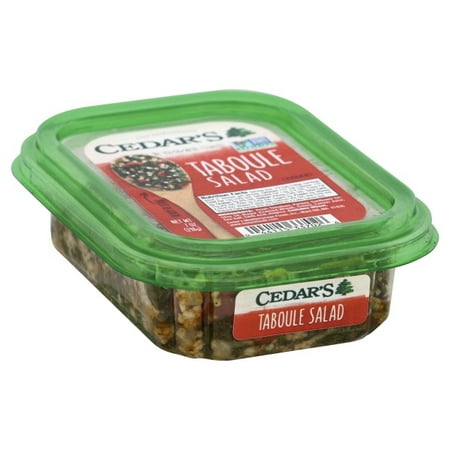
This taboule salad contains a mix of fresh and minimally processed ingredients like tomatoes, parsley, and bulgur, which contribute positively to its nutritional profile. However, the presence of sunflower oil, a seed oil high in omega-6 fatty acids, introduces a potential inflammatory risk. The product is processed, which limits its score despite the overall clean ingredient list.
Key ingredients 10
Olive oilVery Good
Olive oil is a high-quality monounsaturated fat with anti-inflammatory properties. It contains antioxidants that support heart health. Cold-pressed extraction preserves beneficial compounds.
Benefits
Rich in monounsaturated fats that support heart health and provide anti-inflammatory properties. Contains antioxidants like vitamin E and polyphenols that may reduce oxidative stress.
Fresh tomatoesGood
Fresh tomatoes are a rich source of vitamins A and C, and antioxidants like lycopene. They are minimally processed and retain most of their natural nutrients. Lycopene has been linked to reduced risk of heart disease and cancer.
Benefits
Rich in vitamins and antioxidants that support immune function and reduce inflammation.
ParsleyGood
Parsley is a nutrient-dense herb high in vitamins K, C, and A. It is used fresh, preserving its nutritional profile. Its antioxidants may help reduce oxidative stress.
Benefits
Provides essential vitamins and antioxidants that support bone health and immune function.
BulgurGood
Bulgur is a whole grain that is high in fiber and nutrients. It is minimally processed, retaining its nutritional value. It provides a good source of plant-based protein and complex carbohydrates.
Risks
May cause digestive discomfort in individuals with gluten sensitivity or celiac disease.
Benefits
High in fiber, which supports digestive health and helps maintain stable blood sugar levels.
OnionsGood
Onions are rich in vitamins, minerals, and antioxidants such as quercetin. They are used fresh, maintaining their health benefits. Quercetin has anti-inflammatory and immune-boosting properties.
Benefits
Supports immune function and may reduce inflammation due to its antioxidant content.
Lemon juiceGood
Lemon juice is high in vitamin C and antioxidants. It is a natural ingredient that enhances flavor and provides health benefits. Vitamin C supports immune function and skin health.
Benefits
Rich in vitamin C, which supports immune health and acts as an antioxidant.
Sea saltGood
Sea salt is a minimally processed source of sodium and trace minerals. It is preferred over refined table salt due to its mineral content. It enhances flavor without the additives found in refined salts.
Risks
Excessive consumption can lead to high blood pressure and related health issues.
Benefits
Provides essential minerals and enhances flavor naturally.
All spiceGood
All spice is a natural spice that adds flavor and aroma to dishes. It contains antioxidants and has anti-inflammatory properties. It is used in small amounts, contributing to overall flavor complexity.
Benefits
Adds flavor and contains antioxidants that may support health.
Citric acidNeutral
Citric acid is a natural preservative and flavor enhancer. It is commonly used in food processing to maintain freshness. It is generally recognized as safe when used in moderation.
Risks
Excessive consumption may cause digestive discomfort in sensitive individuals.
Benefits
Helps preserve food and enhance flavor without significant nutritional benefits.
Sunflower oilVery Bad
Sunflower oil is a seed oil high in omega-6 fatty acids, which can promote inflammation if consumed in excess. It is often refined, which can strip away beneficial nutrients. Compared to other oils, it lacks the beneficial monounsaturated fats found in olive oil.
Risks
High omega-6 content may promote inflammation when consumed in excess.
Processing
Processed Foods
Get the full breakdown in the Scout appTake Scout shopping
Scan any product to see lab results, healthy alternatives, and your personalized analysis.
Download on theApp Store GET IT ONGoogle Play